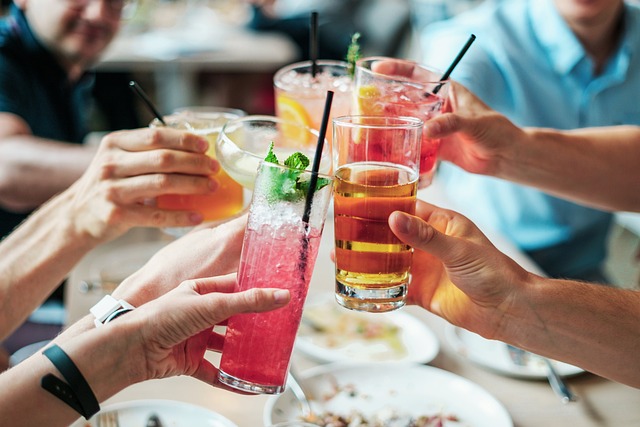
A study explores how mixed reality can enhance the sensory experience of drinks
Un progetto di tesi ha evidenziato che la microincapsulazione di NaCl, tramite il processo di spray drying, rappresenta una strategia promettente per la riduzione del sodio nei prodotti a base di carne
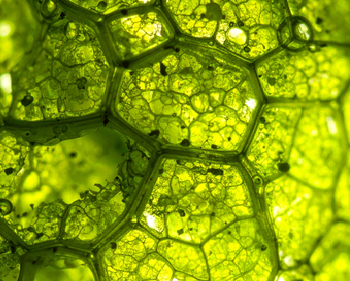
As the food industry increasingly adopts the principles of the circular bioeconomy, microalgae-derived hydrogels represent a promising alternative to petroleum-based materials, thereby leading to the development of environmentally friendly materials
A study shows how to incorporate artificial intelligence into the drinks industry, making the most of existing data, people and processes
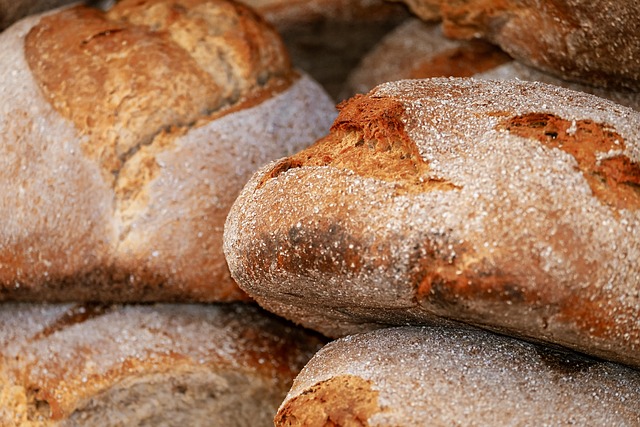
A study highlights the potential of using egg white powder and resistant starch to improve the nutritional value and glycaemic response of gluten-free bread
This method is cost-effective, offering a practical and efficient solution for improving quality control processes and consumer confidence in the food industry
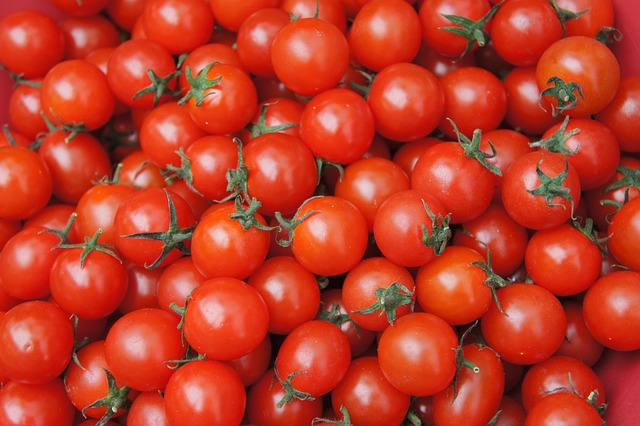
The results of a study demonstrate the potential of non-destructive methods as practical alternatives to conventional methods for quantifying lycopene and beta-carotene
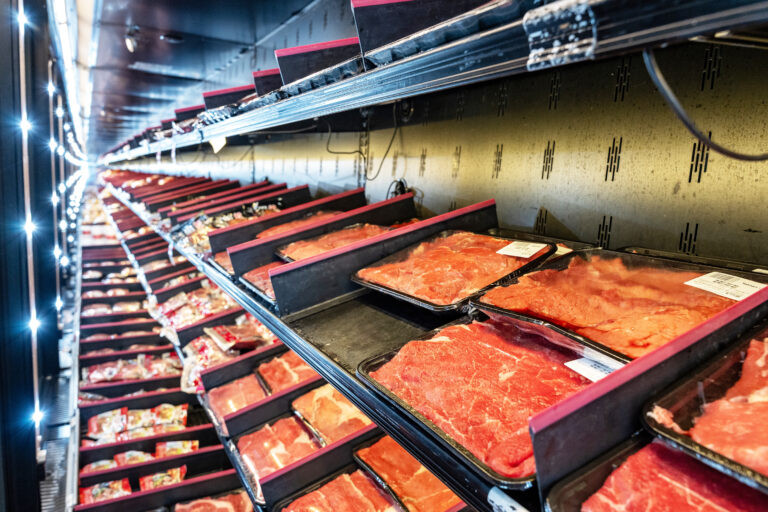
New challenges, linked to changes in consumption, combined with pressure from energy costs and geopolitical tensions, are putting the sector to the test; however, it is holding its own and continuing to grow, despite some declines in traditional products

With Raspberry Pi and AI, quality inspection becomes accessible
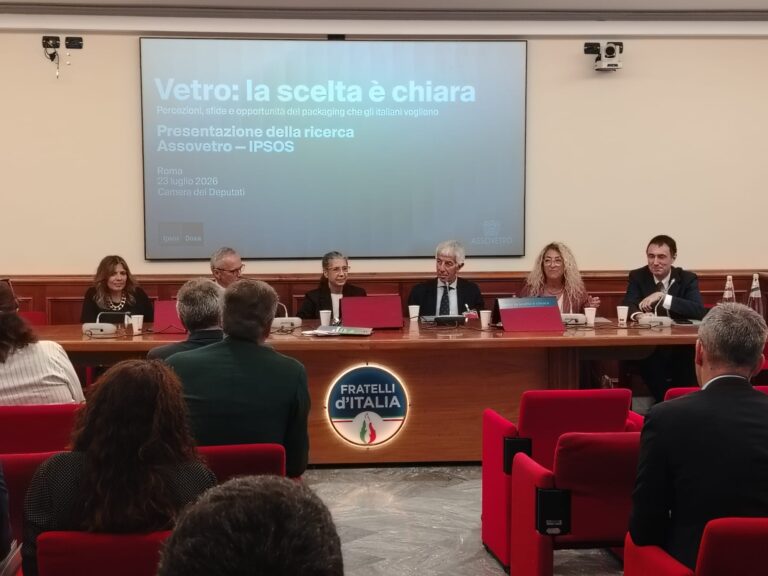
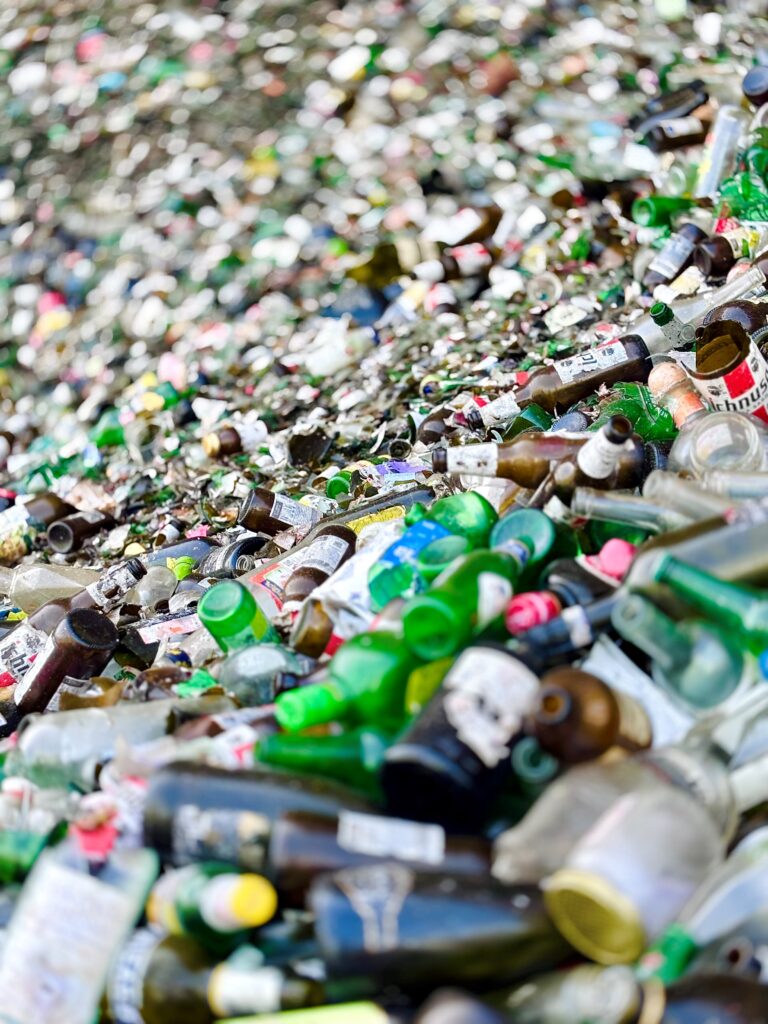
Glass is associated with quality, safety, better product preservation, and sustainability for over nine out of ten Italians. But consumer preference for glass outstrips the actual availability of products packaged in this material
Reuse and recycling have a greater impact on the climate than materials do
The CONAI General Report announces that, in Italy, 10 million 970 thousand tons of materials deriving from packaging have found a second life in 2025. Adding the numbers of regeneration and recycling to those of energy recovery, the share of used packaging diverted from landfill goes beyond 86%