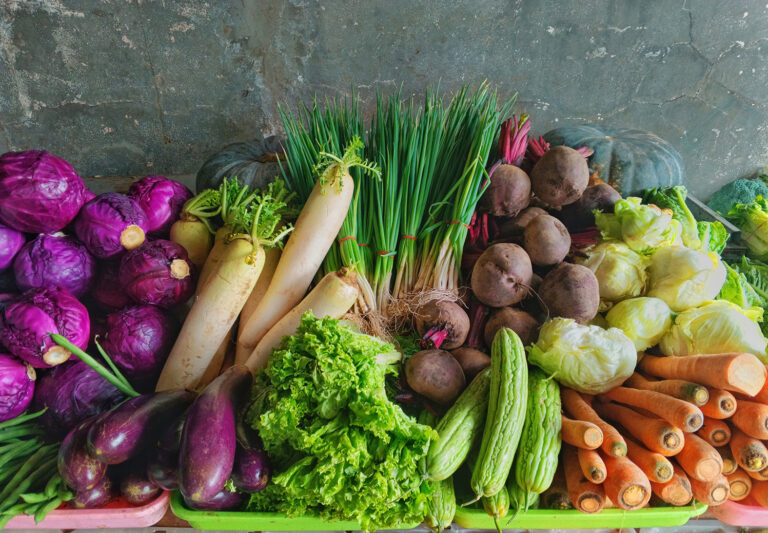
A study has found that adding skins and seeds to tomato sauce increases the levels of bioactive compounds, whilst the inclusion of vegetables provides an additional nutritional benefit
Home » Sustainability
A study has found that adding skins and seeds to tomato sauce increases the levels of bioactive compounds, whilst the inclusion of vegetables provides an additional nutritional benefit
A responsible, transparent and innovative business model that puts people first
An LCA study analyses seven beverage packaging formats and their impacts
The recovery of wastewater from brewery processes emerges as a concrete lever to reduce pressure on water resources, especially in areas exposed to increasing scarcity
Sustainability in the food industry ceases to be a buzzword when it’s backed by reliable data. Through digital monitoring and management integration, agrifood companies can now track flows and consumption. From “farm-to-farm” models to the thermal efficiency of industrial processes, Quin QGS is leading the industry’s transformation toward measurable transparency. The event to explore these strategies in more depth is September 24th at the Agrifood Insight Summit
A study analyses PET bottling and LDPE film multipacks, highlighting the environmental benefits of recycled materials
The results of a recent study confirm the potential of CS/RF films as active and sustainable packaging systems, capable of extending food shelf life and contributing to the valorization of biopolymers of natural origin
The Excellera Intelligence research “Food safety in Europe: the perception of Italian consumers” was presented at the Tetra Pak headquarters in Modena, as part of the National Made in Italy Day and the institutional debate on agri-food protection
Carbon Quantum Dots (CQDs) can be incorporated into active food packaging to improve food shelf life due to their excellent antioxidant, antimicrobial and UV-blocking properties
The results of a study highlight the effectiveness of the proposed treatment in the sustainable valorization of tomato pomace, with potential applications in the industrial sector
The findings of the European CLARUS project, coordinated by the Politecnico di Milano, show a reduction in emissions of up to 9.5% and an improvement in water efficiency of over 21%, thanks to the ‘combination’ of integrated data, sustainability indicators and artificial intelligence
From sustainability requirements for packaging to recent regulations on drinking water, compliance with EU regulations requires a sound strategic vision, specialist expertise and a systematic methodological approach. In an increasingly complex regulatory landscape, compliance has a direct impact on business, reputation and business continuity