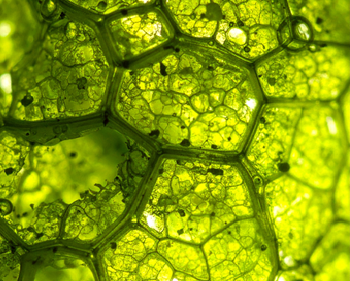
The growing demand for sustainable materials in the food industry has fuelled interest in marine-based sources. These include microalgae, which are produced in a marine environment just like common seaweed (or macroalgae), but unlike the latter, are single-celled, invisible to the naked eye and are already being cultivated in bioreactors for applications in the food, agricultural and bioenergy sectors.
Microalgae such as Arthrospira platensis (also known as Spirulina), Chlorella and Aphanizomenon are widely used for human consumption due to their high protein and nutritional content, whilst Dunaliella and Haematococcus are valued for their antioxidant carotenoid content.
In the food sector, microalgae are incorporated into protein powders, functional drinks, supplements, natural colourings and antioxidants, offering nutritional and health benefits. In addition to human nutrition, microalgae are emerging as a valuable source of biopolymers such as polysaccharides, proteins and lipids, as well as vitamins, carotenoids, polyphenols and chlorophyll.
Recent research shows that polysaccharides and proteins derived from microalgae can form biodegradable hydrogels capable of replacing petroleum-derived materials, in line with the principles of the circular economy. A very recent review written by Greek and British authors (A. Terpou et al., 2025) explores the use of microalgae for food packaging. In particular, the review assesses the properties of microalgae and examines the mechanisms underlying the formation of microalgal hydrogels and their properties. Currently, these hydrogels are used in the food industry as edible films and coatings, as well as in advanced technologies such as 3D food printing. As biodegradable packaging materials, they enable the controlled release of bioactive compounds, thereby improving the functionality and shelf life of the food product. Finally, microalgae-derived hydrogels possess antioxidant and prebiotic properties, thus offering health benefits. All these applications of microalgae-derived hydrogels are made possible by advances in biotechnology and sustainable production methods: microalgae are easy to cultivate and can grow under controlled conditions. Furthermore, the ability to select strains and optimise the processes taking place in bioreactors makes it possible to improve production yields, quality and the functional properties of the biopolymers produced from microalgae.
Several species of microalgae show great potential as sources of hydrogels. For example:
- Arthrospira platensis contains proteins and polysaccharides that are useful for the formation of bioactive and edible films, which extend the shelf life of food by controlling moisture, oxygen and microbial growth;
- Nannochloropsis oculata is notable for its polysaccharide content, which enables the formation of hydrogels and the development of films with controlled-release properties;
- Nostoc spp. exhibits a high capacity for hydrogel formation, thanks to its exopolysaccharides, which are carbohydrates synthesised and secreted into the surrounding environment. Nostoc spp. is often used in combination with Porphyridium spp., which provides other useful exopolysaccharides and proteins, characterised by exceptional stability under various pH, salinity and temperature conditions, as well as antioxidant, antiviral and anti-inflammatory properties, which justify their use in cosmetic products, pharmaceuticals, bio-lubricants and as natural food hydrocolloids.
One noteworthy emerging concept is the blending of microalgal polysaccharides and proteins with other compatible biopolymers such as chitosan, gelatine and vegetable gums (e.g. guar gum, xanthan gum, etc.). This new formulation strategy exploits the synergistic interactions between these complementary biopolymers: algal-derived compounds possess natural gelling, emulsifying and stabilising properties, whilst chitosan, gelatine and vegetable gums exhibit high mechanical strength, elasticity and barrier properties against oxygen and water vapour. Furthermore, a number of EU-funded projects have focused on converting microalgae into polyhydroxyalkanoate (PHA) biopolymers via fermentation. These materials resemble polypropylene in terms of their mechanical properties, can already be moulded into trays, bags and bottles on a pilot scale, and have demonstrated biodegradability under controlled composting conditions.