Costa Arènte‘s identity is built around a precise operating principle: sustainability as a tool to faithfully restore the character of the territory. In this sense, Valpantena represents not only a geographical origin, but a structural element of the winemaking project, which finds its interpretative key in the conscious management of natural resources. The choice to assert territorial affiliation on the label is not a formality, but the result of an agronomic and production process focused on preserving environmental balance and transmitting the specific soil and climate characteristics into the wine. The company was founded in the mid-1990s from an investment aimed at enhancing the property, with new vineyards and the renovation of existing structures. The 2015 acquisition by Le Tenute del Leone Alato—the winemaking division of the Leone Alato agrifood group, controlled by Generali Italia, which also includes Genagricola 1851—marked the beginning of a more structured phase, while maintaining a production scale that does not sacrifice craftsmanship and attention to detail. The estate currently extends across 42 hectares—18.5 of which are vineyards—in the municipality of Grezzana (VR), along the La Costa hill, at an altitude of 100 to 250 meters. The limestone soils are rich in fossils, which contribute to the stylistic signature of the wines, allowing for freshness and flavor. Approximately 85,000 bottles are produced annually, distributed across eight labels, with Amarone and Amarone Riserva representing the pinnacle of quality. “Ten passionate harvests aren’t just a milestone for us, but rather a demonstration that the project is coherent and rooted in the territory, evolving through progressive technical and stylistic refinements without losing its identity“, observes Igor Boccardo, CEO of Leone Alato. “Costa Arènte’s main strength is its respectful approach to terroir: producing wines with an identity strongly tied to the Valpantena is only possible through sustainability practiced daily, in the vineyard and in the cellar“.
Species conservation and agronomic management
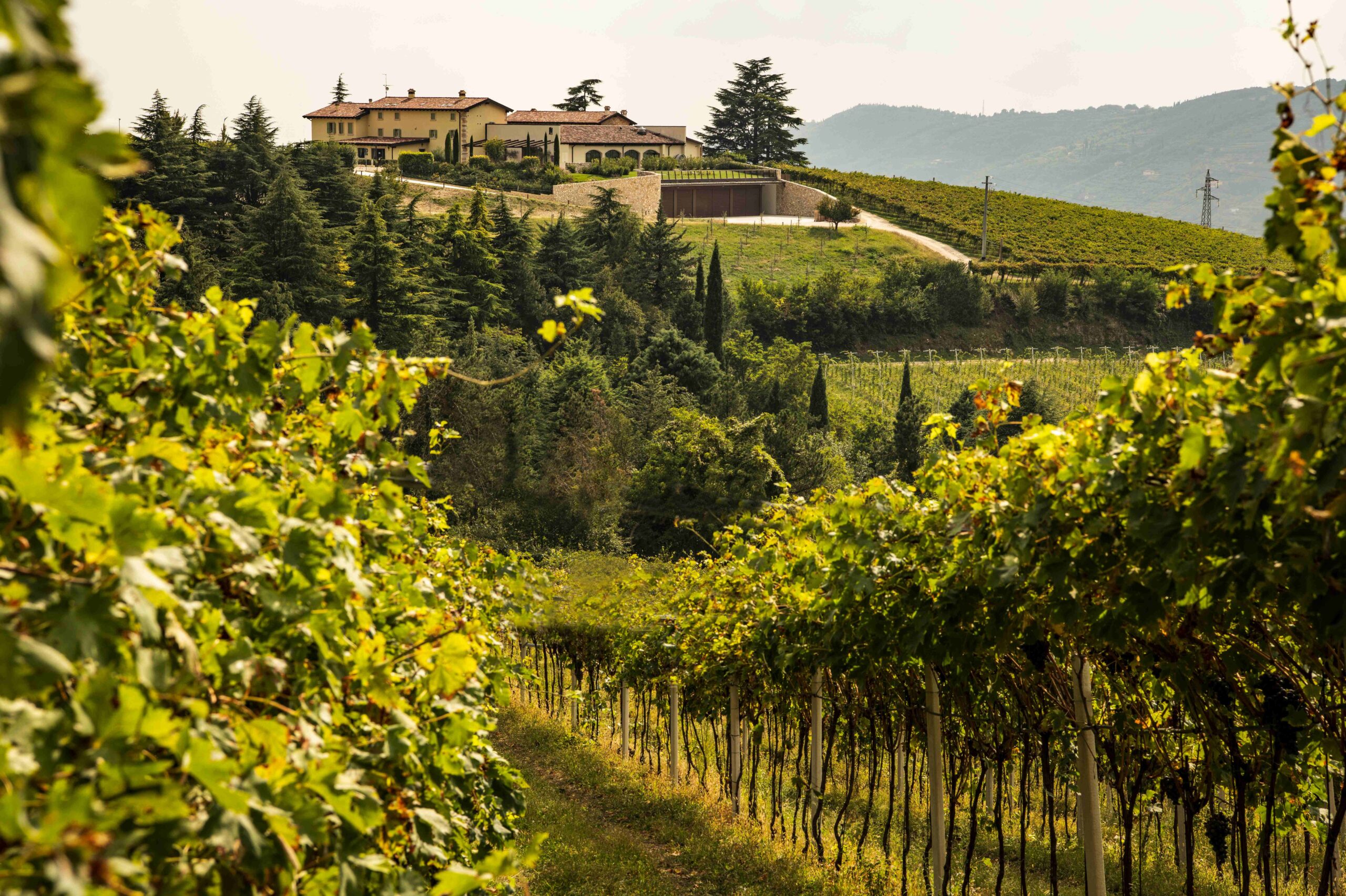
The heart of the sustainable approach unfolds in the vineyard, where the absence of monoculture is a distinctive and structural element. The rows alternate with woods, olive groves, hedgerows, and spontaneous areas, creating a diverse agricultural landscape that fosters biodiversity and the presence of pollinating insects. The adoption of honey-producing species and the decision to maintain unfenced boundaries contribute to creating an open ecosystem, where animal species can move freely and find favorable conditions for reproduction. “Respect for wildlife and pollinators is not an accessory, but an integral part of our way of working“, says Boccardo. Even agronomic practices, such as mowing on alternate rows, are designed to foster ecosystem balance and allow herbaceous plants to complete their vegetative cycle, with direct benefits for soil fertility and overall environmental stability. This approach is reflected in the management of the raw material: each intervention is calibrated to maintain the integrity of the bunch.
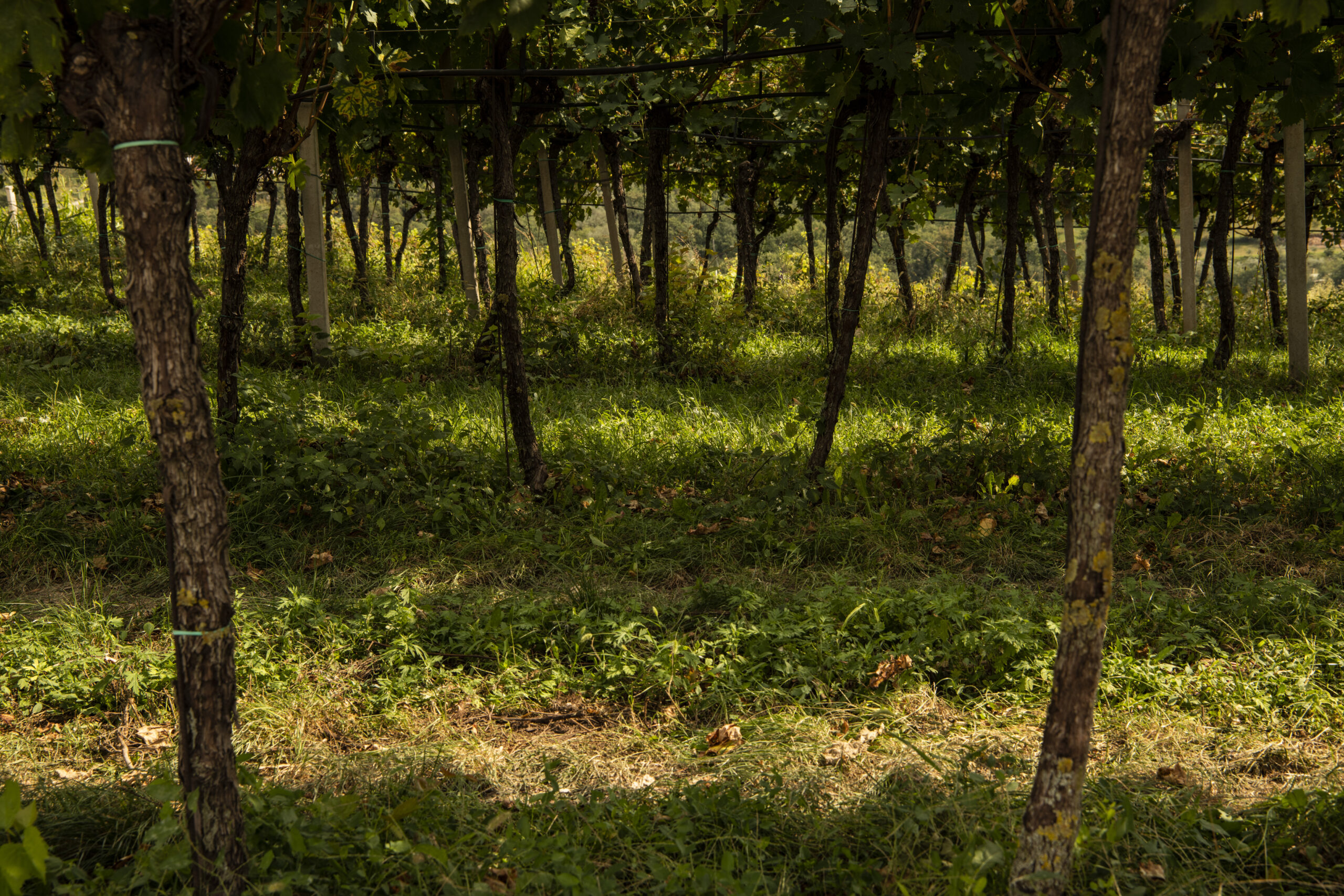
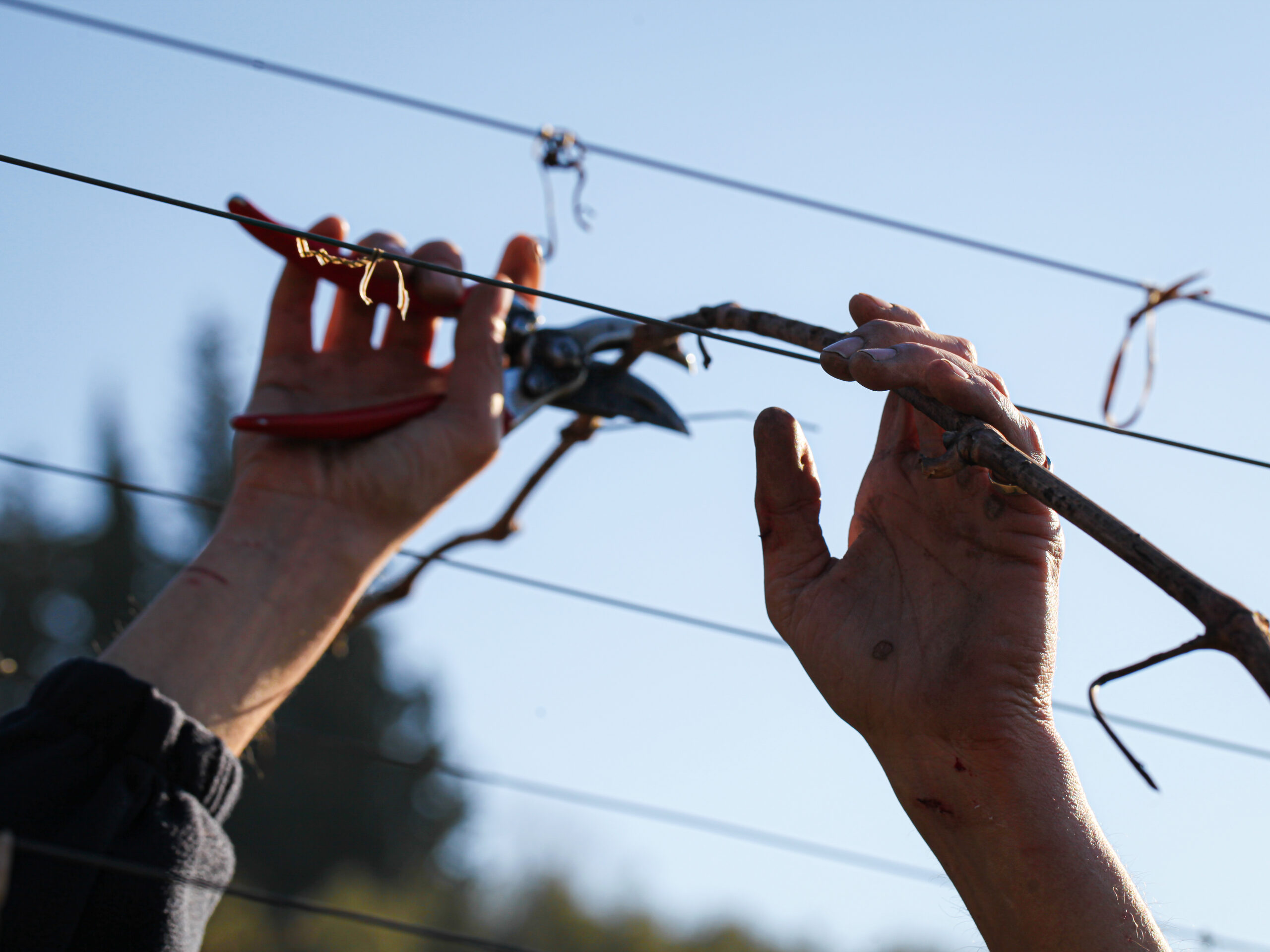
Low yields, manual harvesting, and careful grape selection are key steps in a process aimed at preserving the fruit’s original quality. The choice of the Veronese pergola system, both single and double, responds not only to production needs but is also part of a broader sustainability strategy, promoting better aeration and protection of the bunches. From this perspective, agronomic management is directly linked to considerations about the effects of climate change, which is increasingly shading the company’s technical decisions: from the search for training systems capable of providing shade, to the possible use of protective nets, to the adoption of practices that allow for optimal drought management, such as inter-row sowing and techniques aimed at keeping the soil cooler and moister. These solutions represent concrete responses to increasingly variable environmental conditions. “The challenge is to continue producing fresh and elegant wines in warmer climates“, emphasizes Boccardo.
Combining craftsmanship and technology
Precision farming tools and decision-support systems are fundamental to the company; through more informed resource management, they enable it to scale back treatments and reduce its environmental footprint, whilst maintaining high quality standards. Specifically, these include platforms capable of processing climatic and agronomic data to identify the most effective time to intervene in the vineyard, as well as monitoring systems that enable the assessment of soil moisture levels and the adjustment of agronomic practices according to the plants’ actual needs. These are complemented by digital technologies that integrate information from the field with predictive models, enabling more accurate planning of operations and a reduction in waste, whilst maintaining a constant balance between production efficiency and ecosystem protection. This is further reinforced by the biodiversity monitoring project developed with the naturetech company 3Bee, which introduces scientific tools to analyse the ecological state of the vineyards and translate the data collected into concrete actions for continuous improvement. In the winery too, sustainability takes on an operational dimension that combines manual skill and technology: the guiding principle remains that of intervening to enhance the raw material, whilst avoiding invasive corrective measures. “Wines are created by enhancing their natural qualities, not by adding anything”, explains Boccardo. “All processes are carried out by hand, and wood is used solely for ageing, not to influence the organoleptic profile, so as not to distort the varietal aromas and the finesse of our wines.” The new-generation fruit drying room is one of the most advanced elements of the production system: thanks to automated temperature and humidity control, it enables efficient drying, reducing waste to a minimum and optimising the use of resources, whilst a photovoltaic system helps to meet its energy requirements, forming part of a broader strategy to minimise environmental impact throughout the production cycle”.