Interest in non-thermal sanitization systems is steadily growing, as they ensure effective microbiological safety without significantly altering the chemical composition of food products. Among these techniques, pulsed light utilizes high-intensity light pulses to achieve surface decontamination.
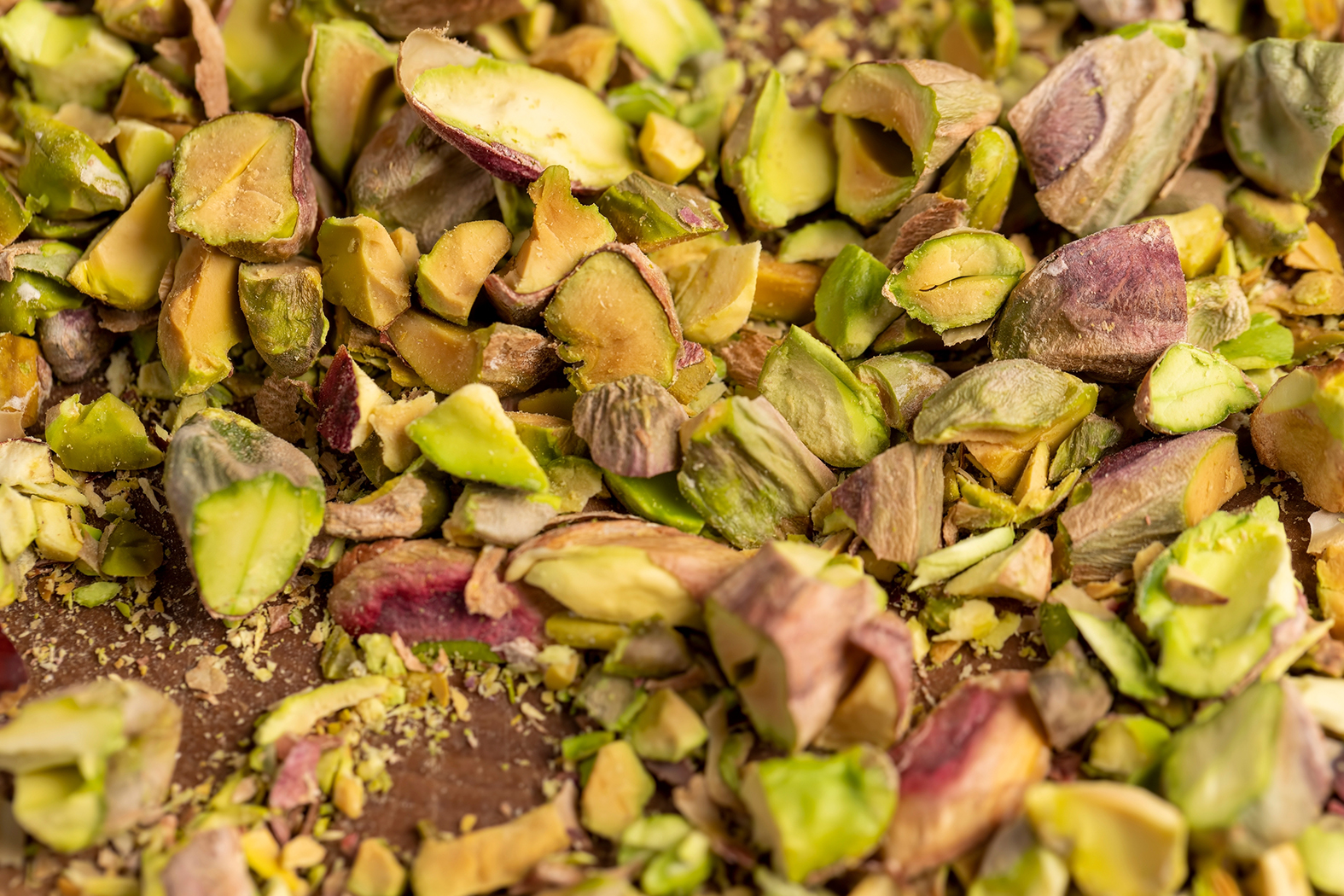
The purpose of this study was to analyze the effect of this technology on the quality and shelf-life parameters of “Verde di Bronte” (Green Pistachio of Bronte) PDO kernels—a variety renowned for its intense green color, attributed to a high chlorophyll content, and its richness in unsaturated fats.
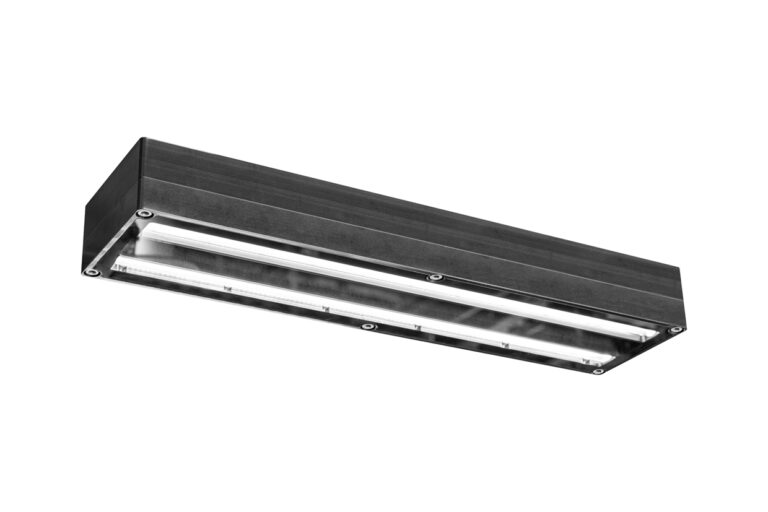
The experiment was conducted using a pilot-scale system equipped with a xenon lamp positioned over a conveyor belt. Samples were placed in heat-sealed trays, with varying quantities of product used to simulate different layer thicknesses, and subjected to treatments lasting 10, 30, and 60 seconds. The efficacy of the pulsed light was evaluated by measuring the residual microbial load and various quality parameters—including moisture content, total polyphenol concentration, chlorophyll content, colorimetric characteristics, as well as the acidity and peroxide value of the extracted oil—both immediately after treatment and following one year of storage.
The results show a significant reduction in microbial load, particularly regarding the mesophilic count and Enterobacteriaceae, while moisture, chlorophyll levels, and colorimetric parameters remained unchanged. During storage, the polyphenol content increased, suggesting a positive effect of the pulsed light on these bioactive compounds. Finally, after one year, the treated samples exhibited a lower peroxide value compared to the control group, indicating a protective effect against lipid oxidation.
Bibliographic references: S.M. Caldarella et al., National Conference on Food Science and Technology, Bologna, June 9–10, 2025, 103