The valorization of citrus peels represents a sustainable and innovative approach to reducing food waste while simultaneously enhancing the nutritional profile of fruit-based products.
A recent study conducted by a group of Romanian researchers (Negrea et al., 2025) aimed to evaluate the potential of incorporating this by-product into the formulation of jams, with the goal of improving their nutritional and functional properties.
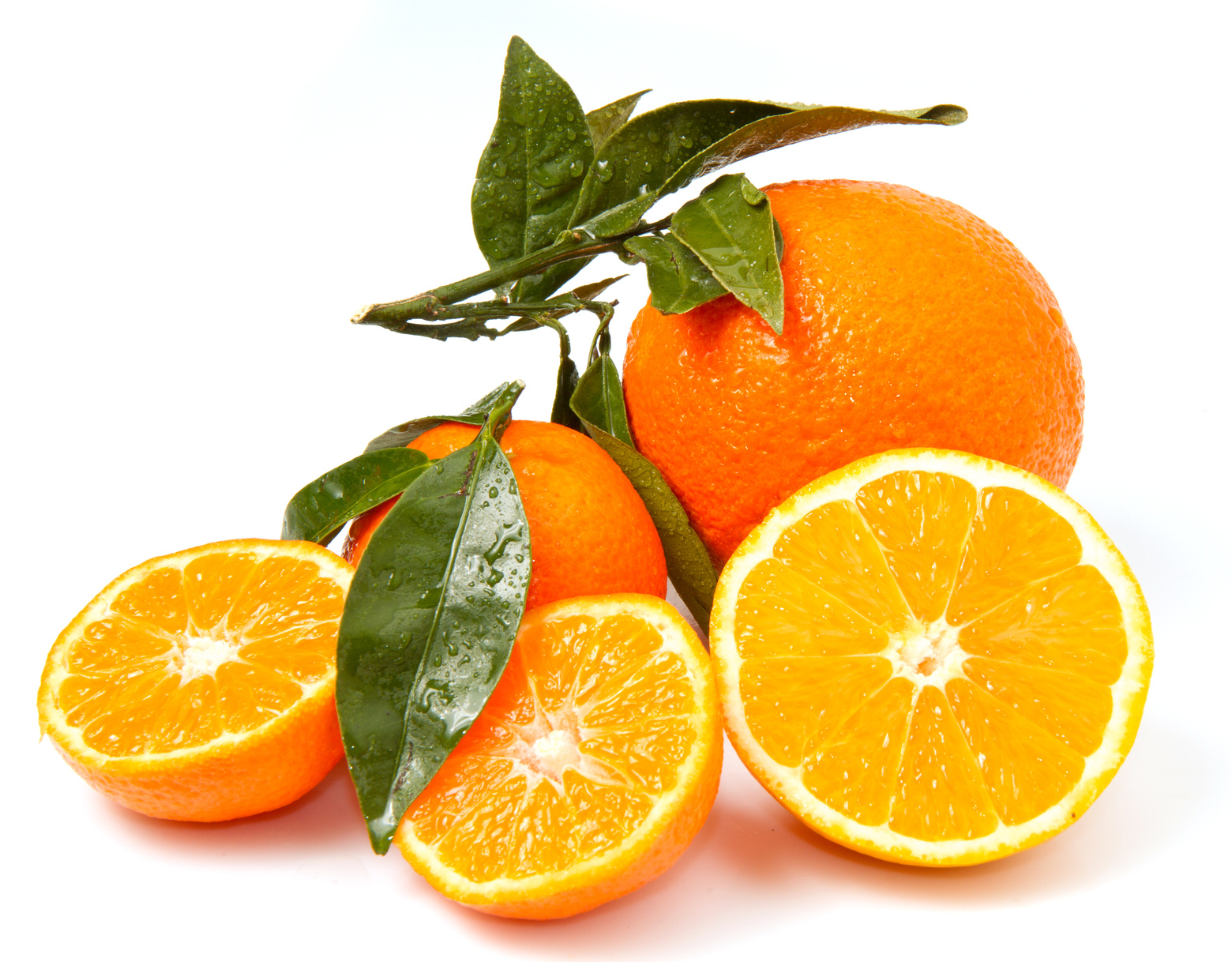
The samples were prepared using a traditional processing technique and included jams made from pomelo peels (PPJ), lime peels (LiPJ), lemon peels (LePJ), clementine peels (CPJ), orange peels (OPJ), and grapefruit peels (GPJ). All the jams underwent comprehensive analysis, including the assessment of their chemical composition, total soluble solids (TSS), titratable acidity (expressed as grams of citric acid per 100 g), macro- and micro-element content, total phenolic content (TPC), total flavonoid content (TFC), and antioxidant activity (measured via the FRAP assay). Among the samples, the LePJ (lemon peel jam) exhibited the highest antioxidant activity and the greatest polyphenol content, making it a superior choice in terms of functional benefits. Regarding sensory analysis, the OPJ (orange peel jam) was the most highly rated by consumers, demonstrating strong acceptability and potential for commercial success.
In conclusion, the authors highlight that products developed from citrus peels—generally considered mere agri-food waste—possess genuine functional value, providing consumers with natural antioxidants that offer potential health benefits.
Bibliographic references: M. Negrea et al., Foods, 14, 2025, 1-19.