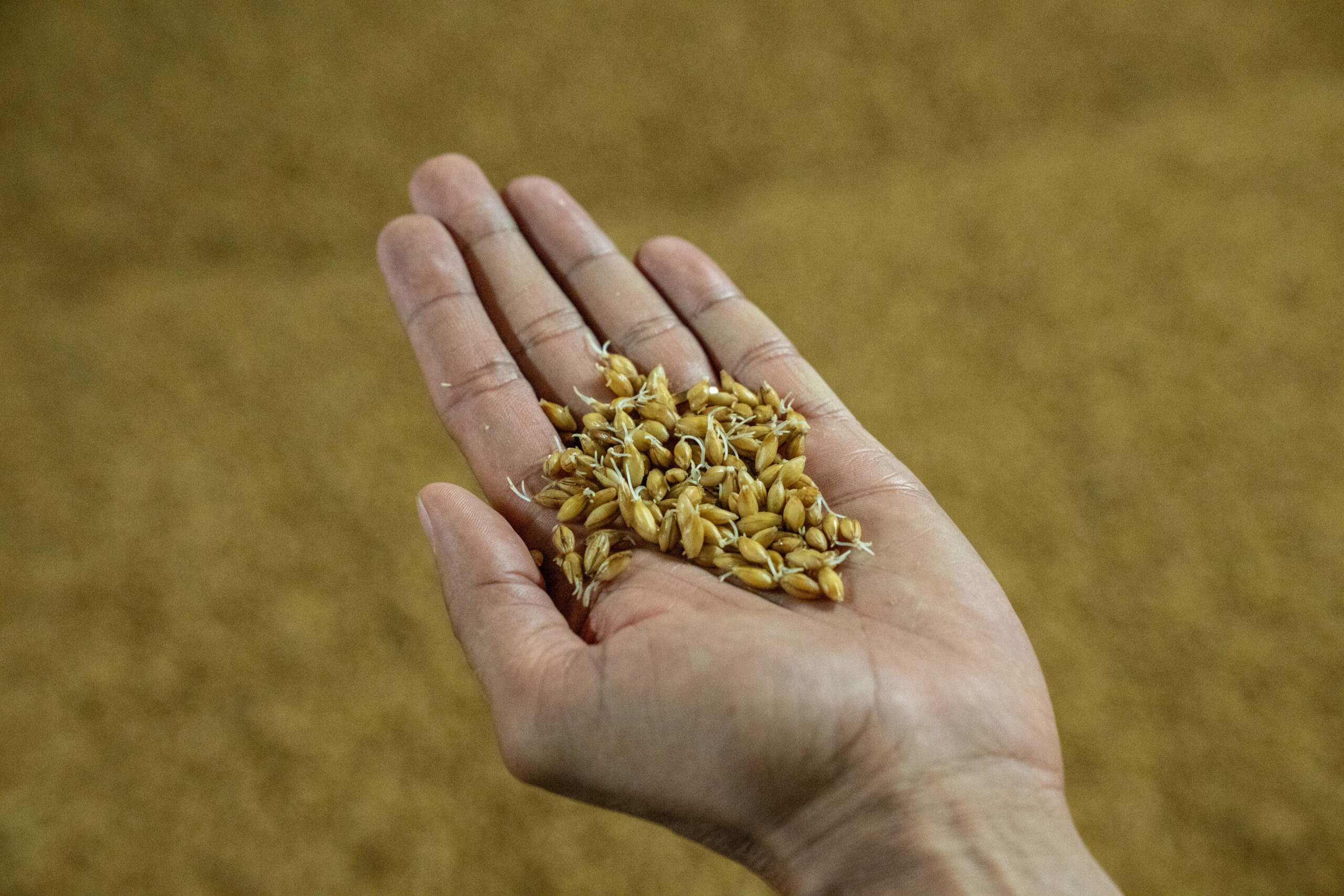
On the occasion of the 2026 Barley Harvest, Campus Peroni — the Center of Excellence born from the collaboration between Birra Peroni and CREA — presented the latest achievements in quality, innovation, and sustainability through initiatives dedicated to two-row malting barley.
The event also saw the participation of a delegation from the Investment Center of the Food and Agriculture Organization of the United Nations (FAO), as part of the FAO Investment Days initiative, which brings together partners from international financial institutions, the public and private sectors, and academia to discuss and explore topics of strategic importance to FAO’s work in supporting investments in member countries.
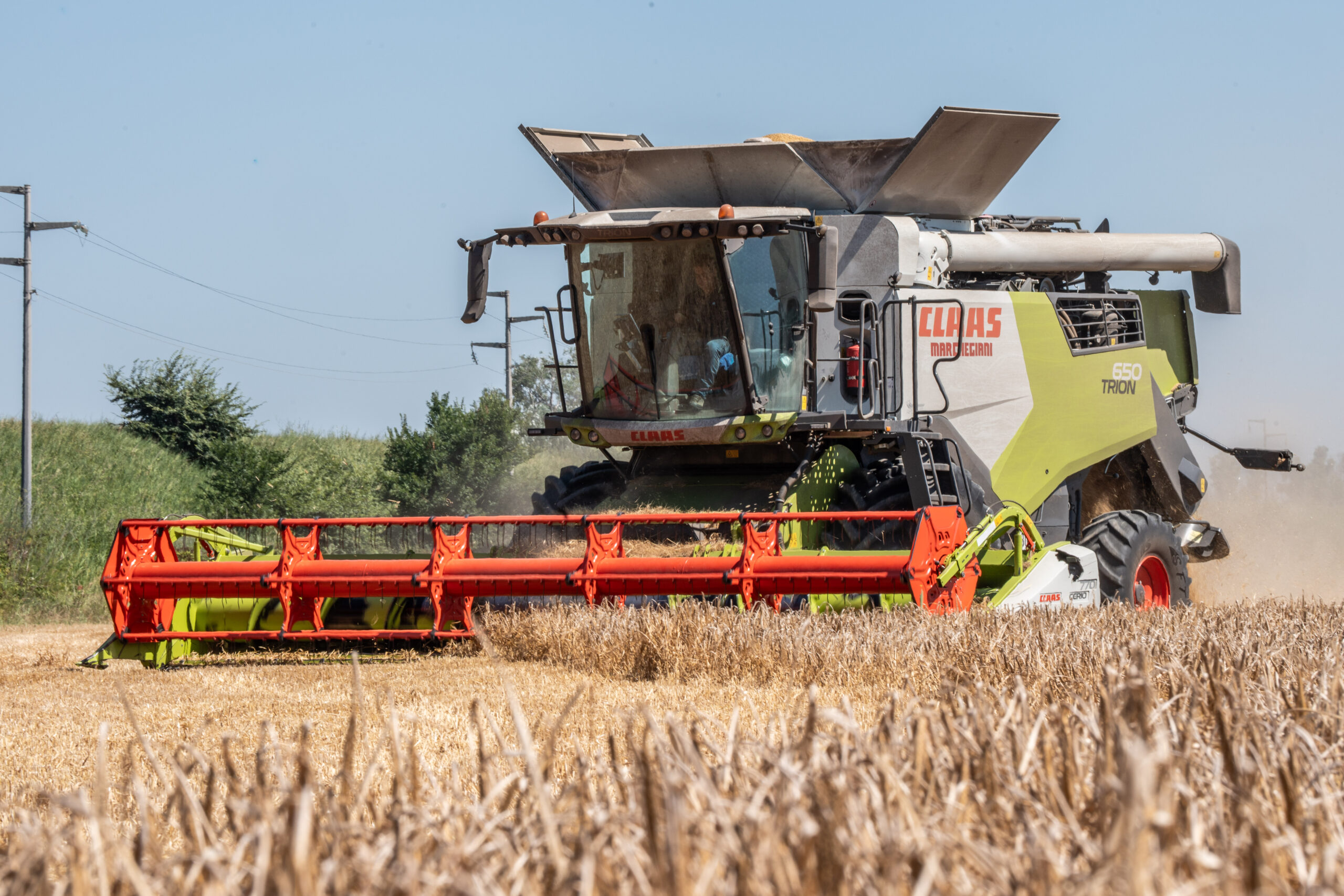
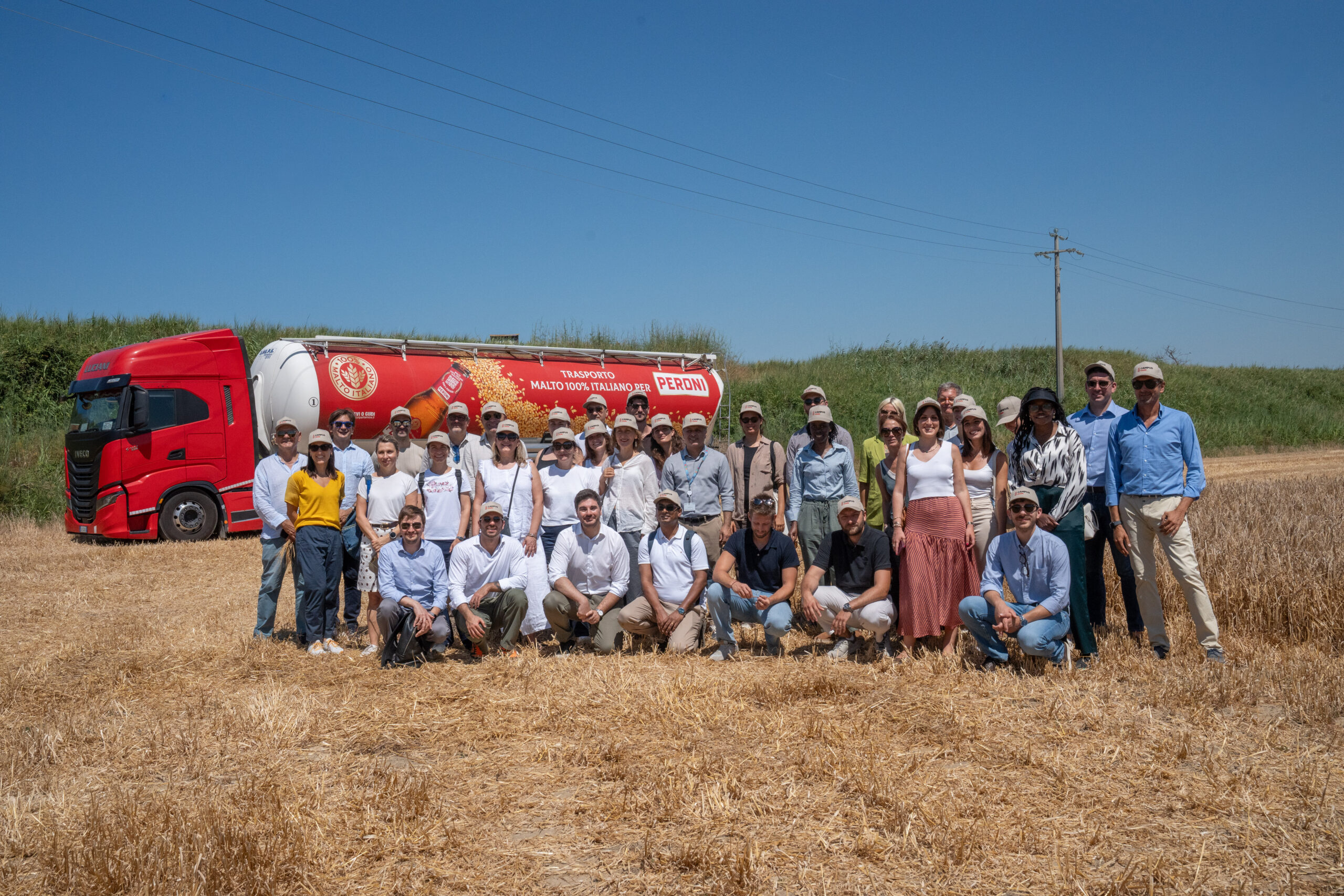
The day was a key opportunity to closely observe the work in the field and explore the main results achieved. The event was divided into two parts: the first part at the Aldobrandini Agricultural Company in Ostia Antica, with a visit to the fields near the banks of the Tiber, followed by a transfer to Birra Peroni’s SAPLO malthouse in Pomezia, to complete the story of the supply chain.
2026 Harvest: Birra Peroni Estimates
Initial harvest data revealed an overall positive picture, with good quality levels and satisfactory expected yields in the reference areas.
The year was characterized by higher-than-average winter rainfall, which favored crop development, particularly in the areas on the Adriatic coast, traditionally more exposed to drought. Spring rainfall in April and May increased the risk of phytopathological pressure, but also positively influenced the ear maturation phase, contributing to good results in terms of specific weight and a moderately high barley quality, with medium-low protein levels particularly suited to brewing.
“Given the season’s progress, we expect to purchase over 60,000 tons of two-row malting barley from over 2,000 Italian farmers again this year. This result is also supported by the increase in planted areas compared to the previous season, confirming the attractiveness of our supply chain, which continues to guarantee stability and long-term prospects for farmers“, stated Fabio Scappaticci, Director of the SAPLO Malting Plant at Birra Peroni.
The importance of water resources: Campus Peroni’s contribution to supply chain resilience
Since its founding, Campus Peroni has promoted the dissemination of tools and expertise to support the sustainable growth of the barley supply chain in Italy. Specifically, the Orzo Futuro project promotes the use of DSS (Decision Support Systems): agronomic decision support systems currently adopted by over 800 farmers in the Birra Peroni supply chain on more than 9,000 hectares of two-row malting barley in Italy.
Thanks to the collaboration with Hort@ and xFarm Technologies, this approach is gradually evolving towards a greater focus on water management in agriculture, an increasingly crucial element for the system’s resilience and its ability to cope with changing climate conditions.
DSS represent a key tool for supporting farmers in operational decisions in the field, thanks to the constant monitoring of weather conditions and phytopathological risk. The information generated by the platforms allows for the optimization of the use of fertilizers and plant protection products. The efficient management of production inputs made possible by DSS can therefore also contribute to reducing water consumption associated with these operations, as well as generating benefits in terms of reducing greenhouse gas emissions.
Based on the data collected, among other things, there was an average reduction of 12% in water consumption for agronomic inputs and 26% in CO2 for hectare between the 2022/2023 and 2024/2025 seasons for two-row barley farmers participating in the program. These average figures reach 41% and 37%, respectively, considering the evolution of the reference panel over the last 10 years.
“The availability and efficient management of water are becoming increasingly crucial factors for the future of the sector“, said Massimo Fortunato, Sustainable Development Manager at Birra Peroni. “The Campus Peroni model demonstrates how collaboration between business, research, and agriculture can translate into concrete solutions to support the sector’s competitiveness and ability to adapt to changing climate conditions. The experience gained in recent years confirms that productivity, innovation, and sustainability can go hand in hand. For this reason, we will continue to promote collaborations and initiatives capable of strengthening the supply chain’s resilience and contributing to its ability to respond to future challenges“.
The 2025-2026 season also saw the continuation of “Regenerate to Produce,” the three-year regenerative agriculture pilot program launched in 2024 by Campus Peroni with the technical support of Hort@ and the involvement of three farms in Central and Southern Italy.
The goal is to collect robust data to evaluate the benefits in terms of soil health, biodiversity, farmer satisfaction, and environmental impacts. At the conclusion of this year’s harvest, it will be possible to evaluate the environmental and yield performance of the fields managed through regenerative practices, comparing them with the results obtained during the first year of the pilot, helping to assess the overall potential of the approach.