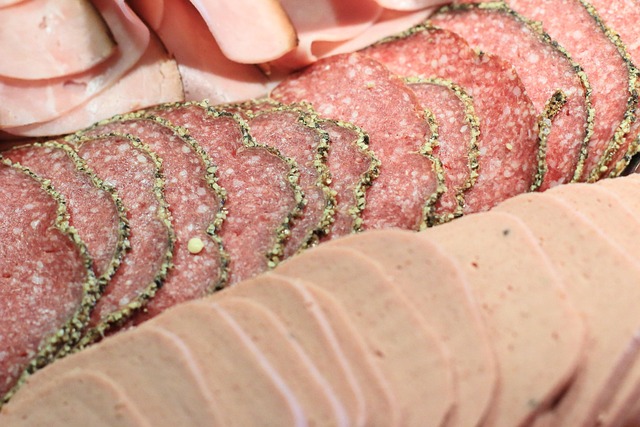
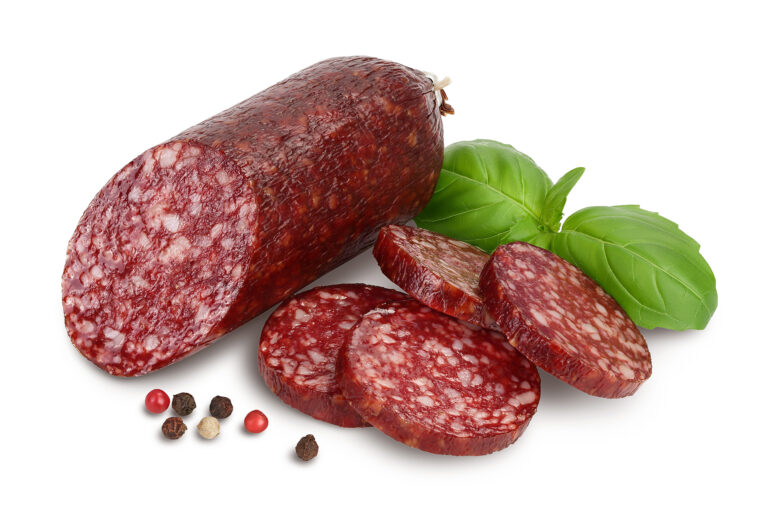
A recent study concludes that MAP packaging and Evoh-based material are the most effective combination for preserving chicken salami or extending its shelf life by up to seven weeks at refrigeration temperature
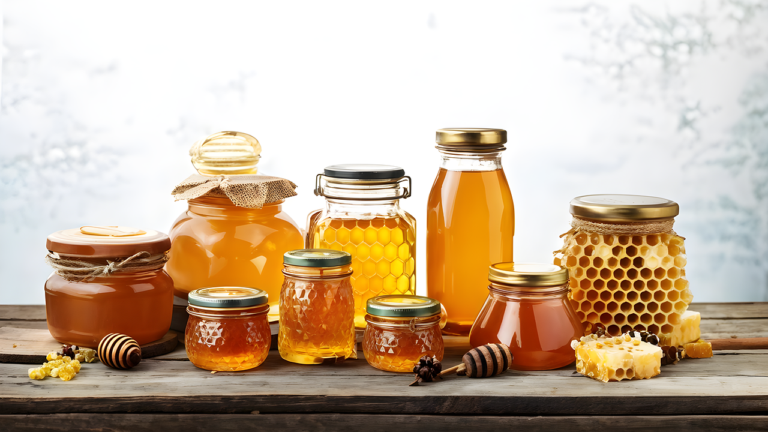
According to a study, NIR spectroscopy and fluorescence are effective techniques for honey authentication, with fluorescence being particularly sensitive to compositional changes induced by adulteration
A study concluded that fermentation with a probiotic indigenous strain of Pichia terricola significantly improves the functional characteristics of dwarf mandarin purees, offering a valuable biotechnological strategy and a reference for the mandarin industry
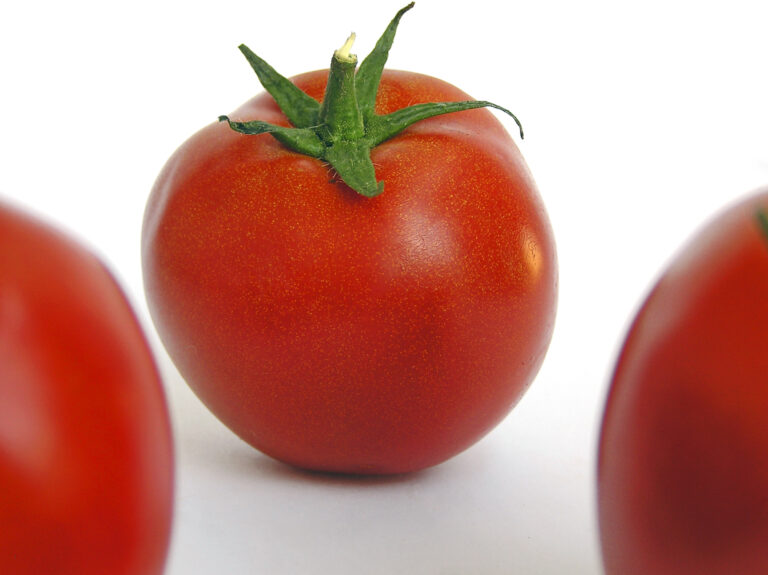
The results of a study highlight the effectiveness of the proposed treatment in the sustainable valorization of tomato pomace, with potential applications in the industrial sector
A study shows that the integrated approach developed is promising for determining the misrepresentation of the botanical origin of honey quickly and at low cost
The results of a study conducted by a group of Italian researchers suggest that the inclusion of cricket flour improves the nutritional profile and increases the resistant starch content of the product, without compromising the technological properties
The results of a study highlight the influence of the type of sweetener on the quality characteristics of fig jam, identifying cane sugar as the best option for optimising both the nutritional value and the chemical quality and sensory properties of the product
The sustainable packaging tested in a recent study has proved to be a promising option for packaging whole salamis, although the effects caused by condensation require further investigation in order to minimise its impact on product quality
A study by S. Tatasciore et al. provides new insights that are useful for the scalability, development and production of new hop-based ingredients, and paves the way for potential innovative applications
A study presents compelling arguments in favour of the widespread implementation of artificial intelligence and optical character recognition technologies to improve product safety and boost consumer confidence
The results of a study demonstrate the potential and effectiveness of the electronic nose as a non-destructive, rapid and cost-effective tool for detecting adulteration in tomato concentrate, and suggest its applicability to other food matrices
One study evaluated the use of inulin-based gels as fat substitutes in the formulation of low-fat burgers, observing significant reductions in lipid oxidation and the formation of heterocyclic aromatic amines during cooking