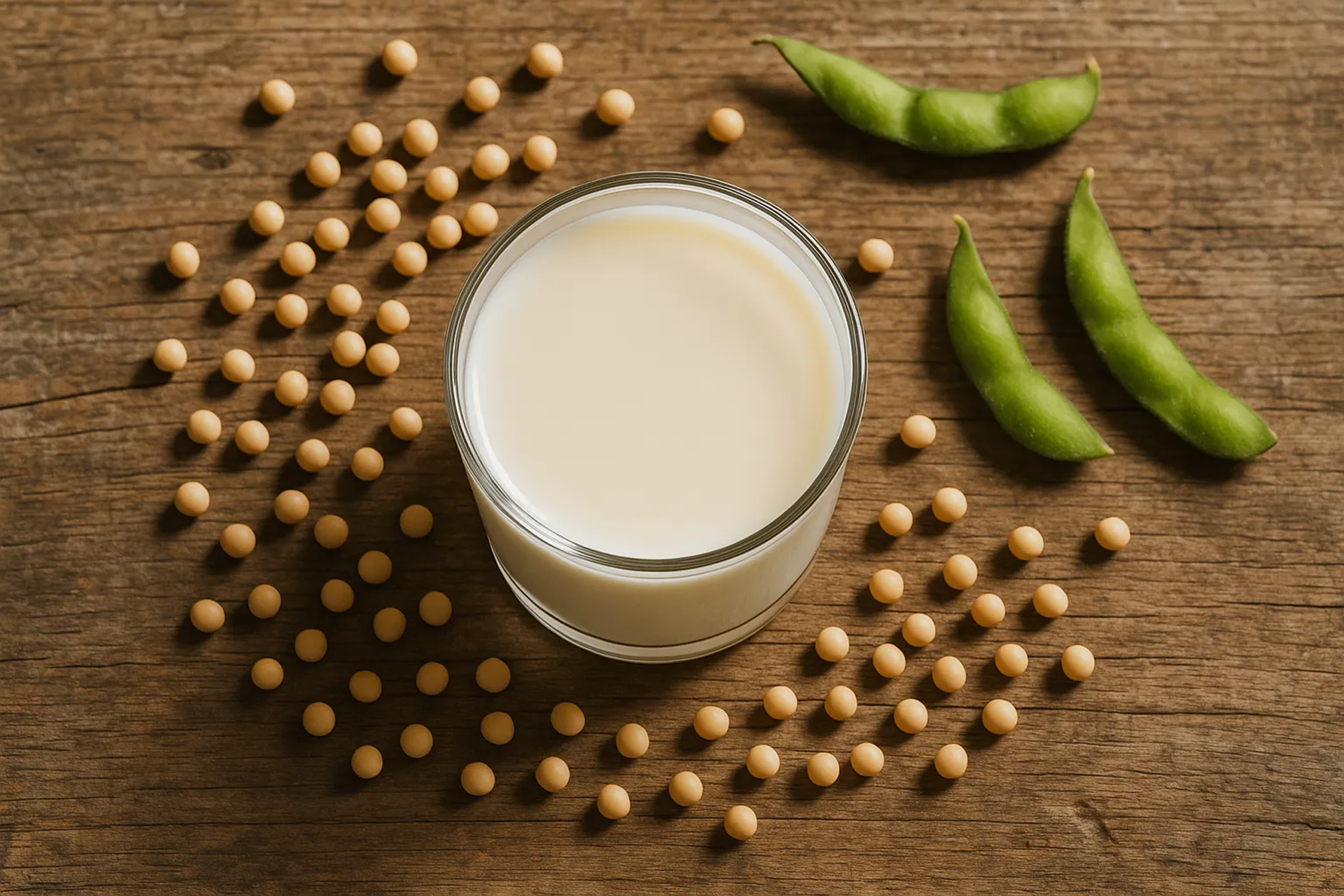
The use of plant-based proteins is becoming increasingly widespread in the food industry in response to the demand for more sustainable products. However, there is a need for rapid and effective rheological methods to characterise them.
To address this need, this study aimed to:
- develop methods for assessing the thermo-mechanical properties of protein isolates and concentrates, under conditions of excess water (using a universal torque viscometer) and under conditions of limited water availability (using a flour mill and a universal rheological analyser);
- the evaluation of the effect of botanical origin and extraction procedure on the rheological properties of protein isolates and on the characteristics of the finished product;
- the analysis of the effect of adding hydrocolloids on the thermo-mechanical properties of protein isolates and the textural characteristics of the finished product.
The results obtained highlight that:
- the botanical origin of the raw material and water availability significantly influence the thermo-mechanical characteristics of protein isolates and concentrates;
- the methods developed proved effective in predicting the suitability of samples for the production of high-moisture extrudates;
- the type of hydrocolloids used during formulation and the temperature affect the proteins’ ability to aggregate and, consequently, the texture of the burger.
This research contributes to the development of a methodology applicable to a wide range of plant-based ingredients, promoting product innovation and sustainability within food systems.
References: A. Bresciani & A. Marti, National Conference on Food Science and Technology, Bologna, 9–10 June 2025, 35th.