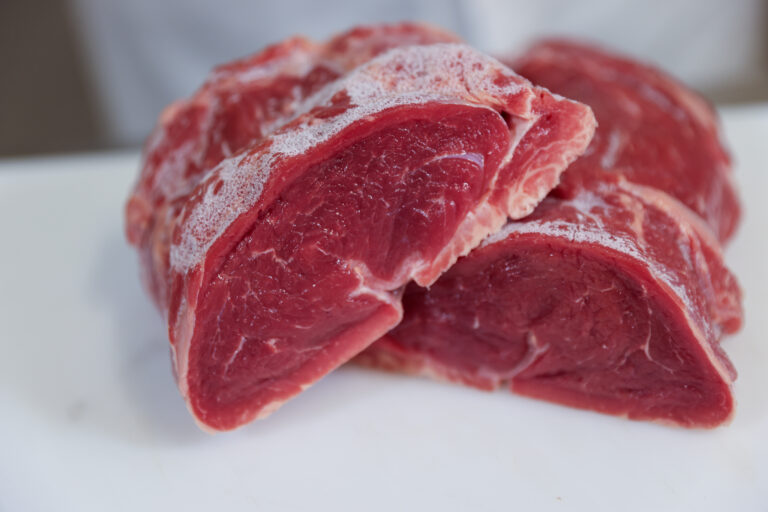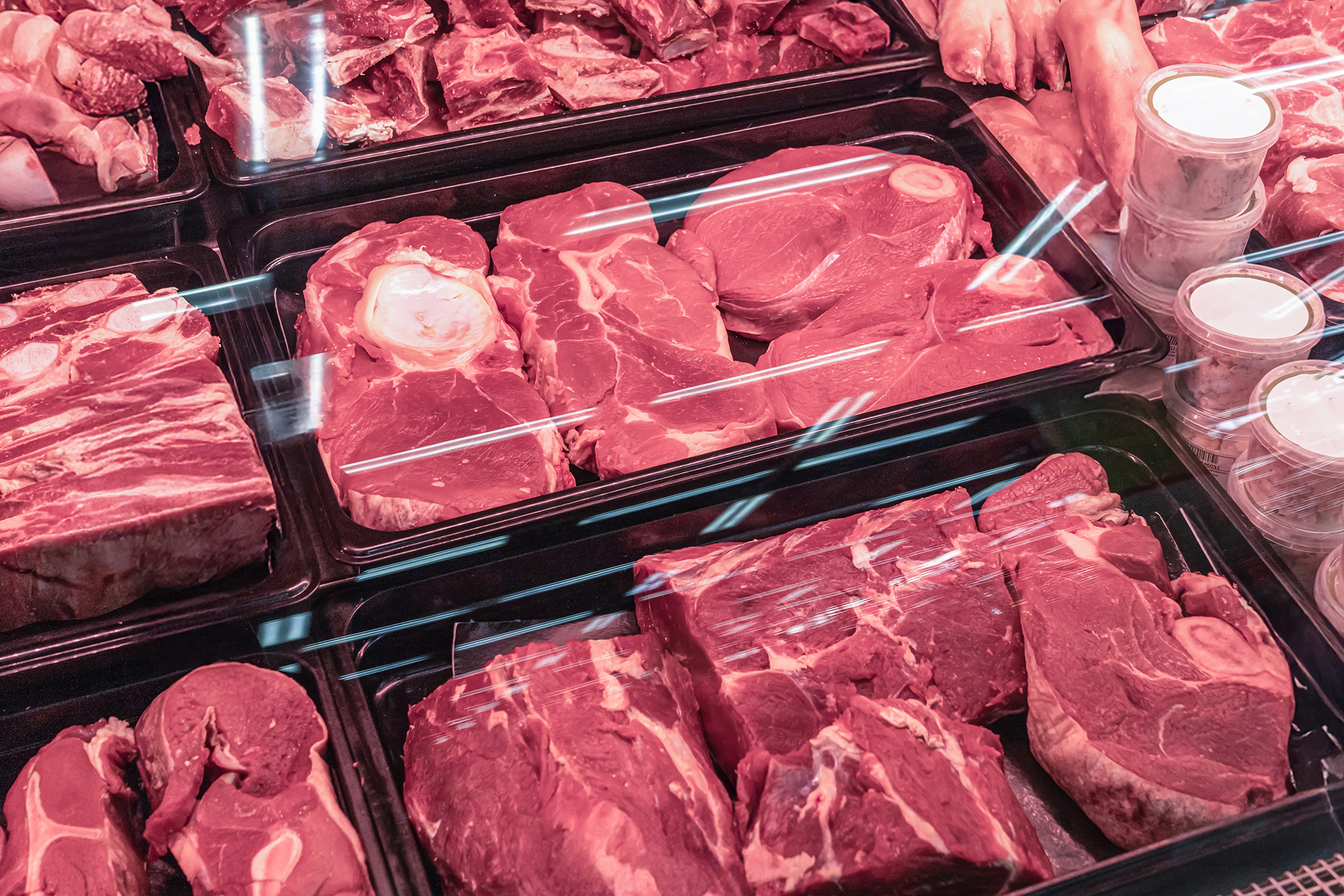
Ensuring the quality of meat is essential for consumer satisfaction and safety, but monitoring the slightest variations in certain parameters is still a challenge today.
In a recent study, carried out by a group of Iranian researchers (Vali Zade et al., 2025), a method is presented based on the use of smartphone images, in combination with advanced data analysis techniques, to assess the colour changes of red meat under different storage conditions.
During the experiment, samples stored in a refrigerator (at 4°C) and in a freezer (at -19°C) were analysed for three weeks using the RGB and HSV colour spaces.
Principal component analysis (PCA) reveals colour change patterns, while simultaneous component analysis ANOVA (ASCA) highlights the significant effects of storage time and temperature on meat colour, with the HSV colour space showing greater sensitivity.
Finally, partial least squares discriminant analysis (PLS-DA) proved capable of successfully classifying refrigerated and frozen samples after thermal equilibrium, showing a solid performance.
In summary, the results obtained so far highlight the potential of integrating accessible imaging tools and machine learning techniques for an objective and efficient assessment of meat quality, providing an easily applicable solution for the industry in this sector.
Bibliographic references: S. Vali Zade et al., Analytical and Bioanalytical Chemistry Research, 12, 2025. 191-202.