The beer market is navigating a complex phase. Consumption is slowing down, weighed down by greater caution regarding alcohol intake before driving and more limited spending power; at the same time, interest in draft beer over bottled beer appears to be growing, particularly in restaurants and pizzerias. Against this backdrop, 32 Via dei Birrai has chosen to double down on a cornerstone of its identity: its connection to the local area and to a supply chain rooted in the Veneto region and Italy. 32 Via dei Birrai is an artisanal brewery established in 2006 in Pederobba (Treviso) that combines resources, entrepreneurial ingenuity, and a passion for nature to produce consistently high-quality Italian beers using an eco-friendly supply chain.
“The current climate demands that we stand out and give consumers increasingly compelling reasons to choose a product. Our response is to focus even more on our local territory,” observes brewmaster Fabiano Toffoli, co-founder of 32 Via dei Birrai. “This strategy begins with our raw materials — specifically the hops grown for 32 Via dei Birrai. The harvest took place just recently at the Palazzo Cavalieri farm in Godega di Sant’Urbano, in the Treviso area, towards Conegliano.“
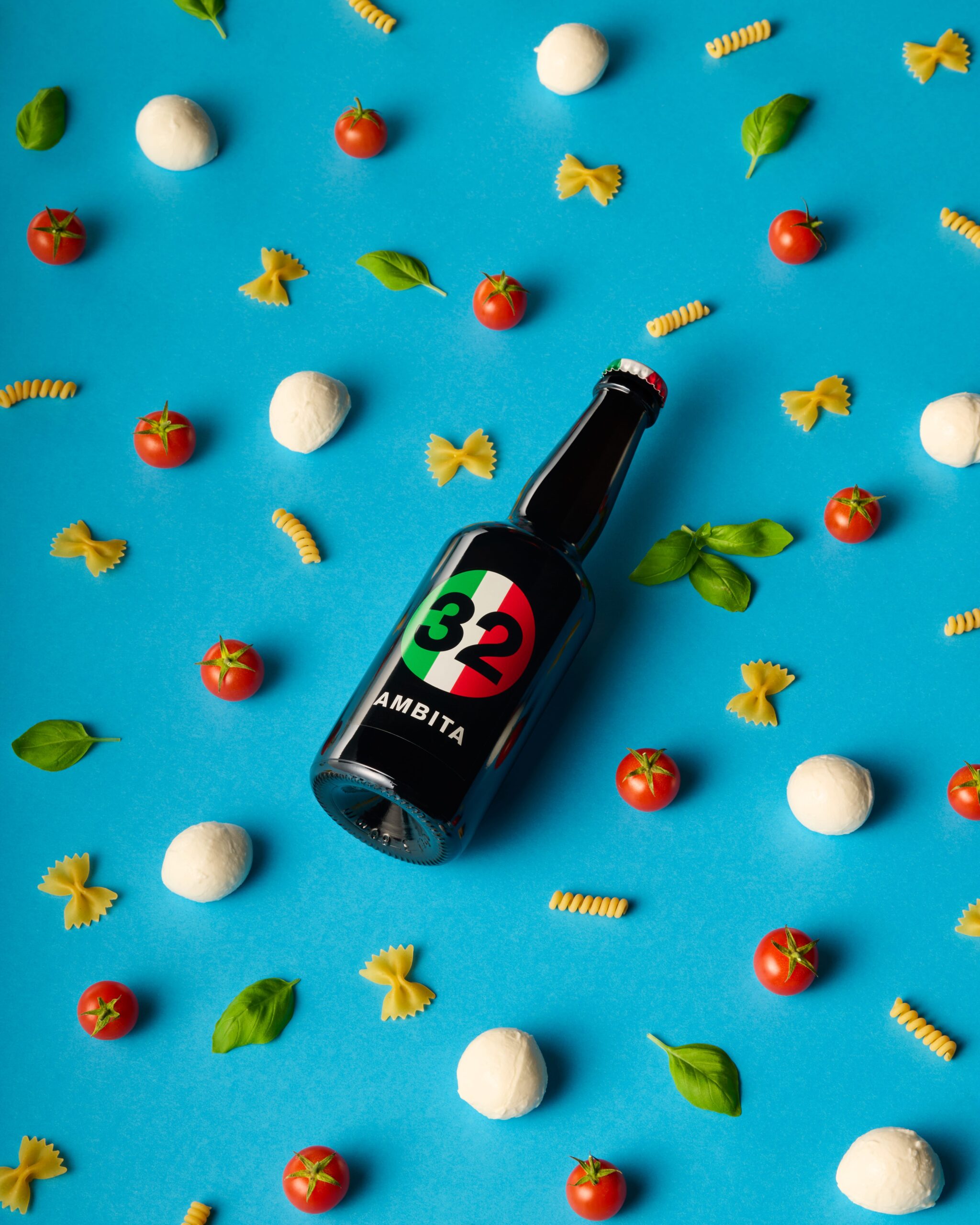
It is not simply a matter of purchasing a locally produced ingredient; a specific relationship has been established with the grower, who was asked to dedicate a particular crop to the brewery (this collaboration gave rise to Ambita, for instance — a 100% Italian beer with an approachable aromatic profile, slightly malty and mildly bitter).
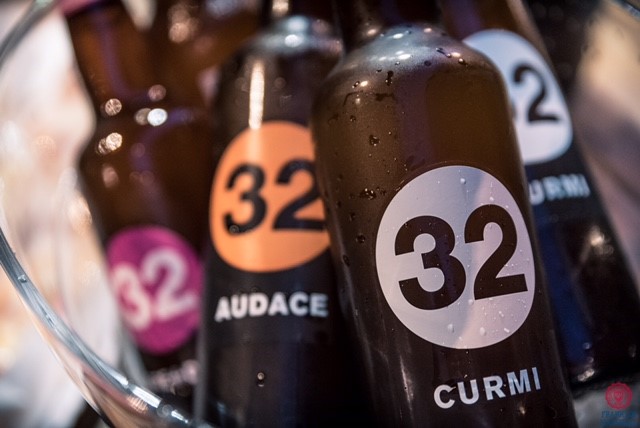
Hops — a crop that remains a niche in Italy but is transitioning from a pioneering phase to a genuine agricultural supply chain (comprising just over 90 hectares, small farms concentrated mainly in Central and Northern Italy, research into native ecotypes, and an increasingly explicit goal of giving beer a recognizable territorial identity) — thus become a symbol of an initiative spanning several products in the range. Nectar, for example, is linked to chestnut cultivation just a few kilometers from the brewery; it is a strong, dark beer featuring an intense, complex, sweet, and lingering aroma, brewed with chestnut honey from the Monte Grappa area. Curmi, meanwhile, is made using Italian spelt; it is a wheat-style beer brewed with barley, spelt, coriander, and orange peel. The malt used by 32 Via dei Birrai comes from premium barley grown under the “Progetto Eraclea” initiative, cultivated in the region straddling Veneto and Friuli Venezia Giulia.
Rounding out the picture are other elements of the supply chain — from the water (sourced from the Schievenin Valley in the Belluno area, within the municipality of Setteville, close to the brewery) to the yeast, and even the crown caps and labels—all of which help strengthen the bond between production and the local territory.
The goal is not to turn provenance into a mere marketing tool, but to make it a fundamental production criterion. This approach also reflects the evolving concept of Italian beer, at a time when the industry is debating increasingly strict standards regarding the origin of raw materials. 32 Via dei Birrai aims to be prepared for potential further steps in this direction (there is also a legislative proposal to this effect) by progressively increasing the proportion of domestic ingredients and local supply chain components.
This approach echoes, in some respects, the local beer culture championed in the English-speaking world by movements such as CAMRA (Campaign for Real Ale): choosing a local product means not only prioritizing a specific flavor profile but also supporting an economic network comprising farmers, processors, suppliers, and artisans.
“As consumption habits evolve, we do not believe the answer lies in chasing trends or taking shortcuts. We prefer to make our identity even more distinctive: we are a brewery that creates value centered on our local area, our raw materials, and the people throughout the supply chain. If consumers are drinking less, they need even more compelling reasons to drink well,” concludes Toffoli.
This, then, is the challenge facing 32 Via dei Birrai: transforming deep local roots into a competitive, contemporary asset — turning provenance from an abstract claim into something tangible that can be recognized in every bottle and glass.