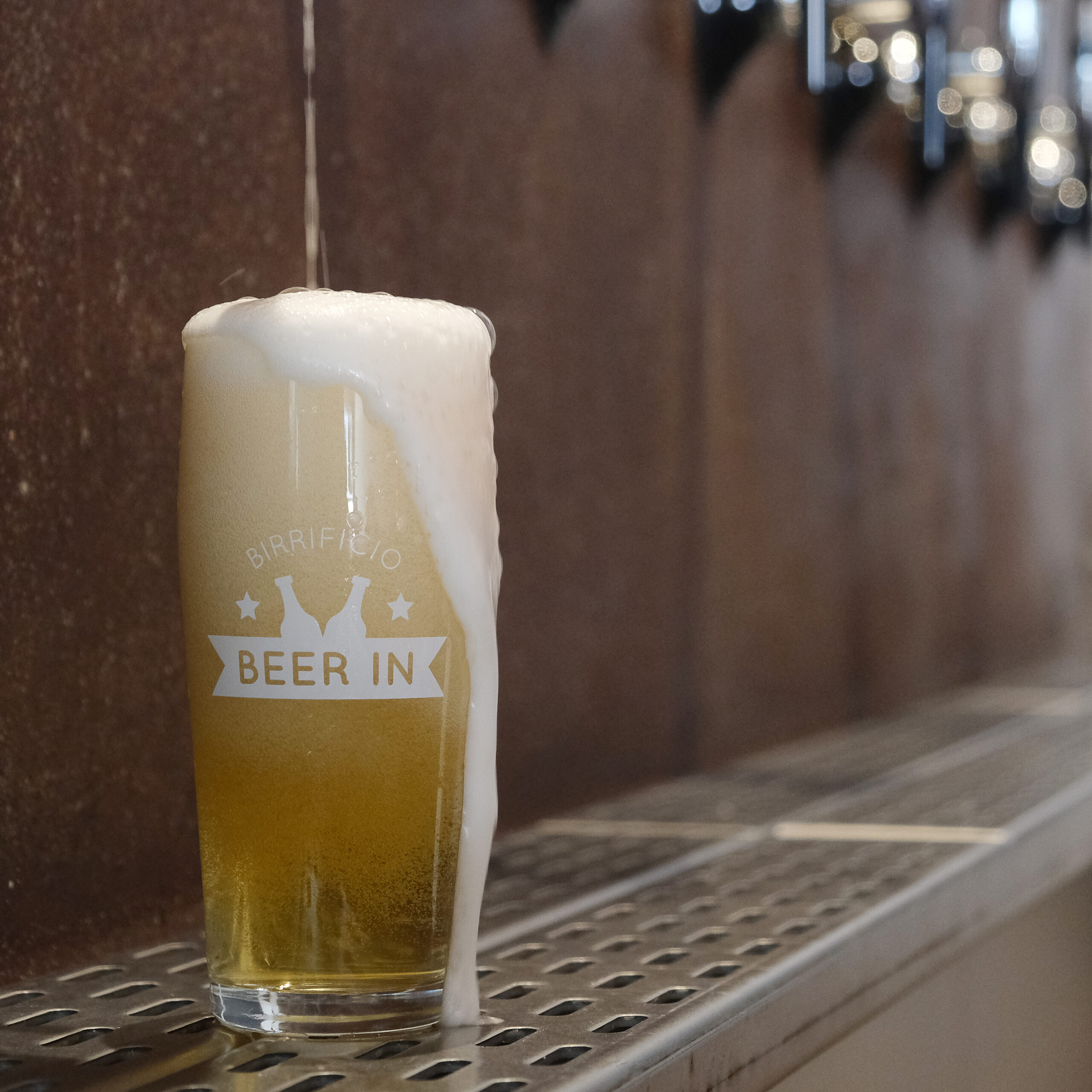
The waters of the Biella area are notable for being exceptionally fine and light—a quality that has traditionally made them the preferred choice for the wool and textile manufacturing processes which, especially in the past, built the province’s prosperity and effectively became its hallmark. It is, therefore, no coincidence that a vibrant brewing scene is now emerging here, near the Valsessera valley. The region has benefited—and continues to benefit—from the presence of a renowned industrial brand with an established global profile; this has been complemented by various successful artisanal ventures, of which the Birrificio Beer In is a prime example.
A solid choice
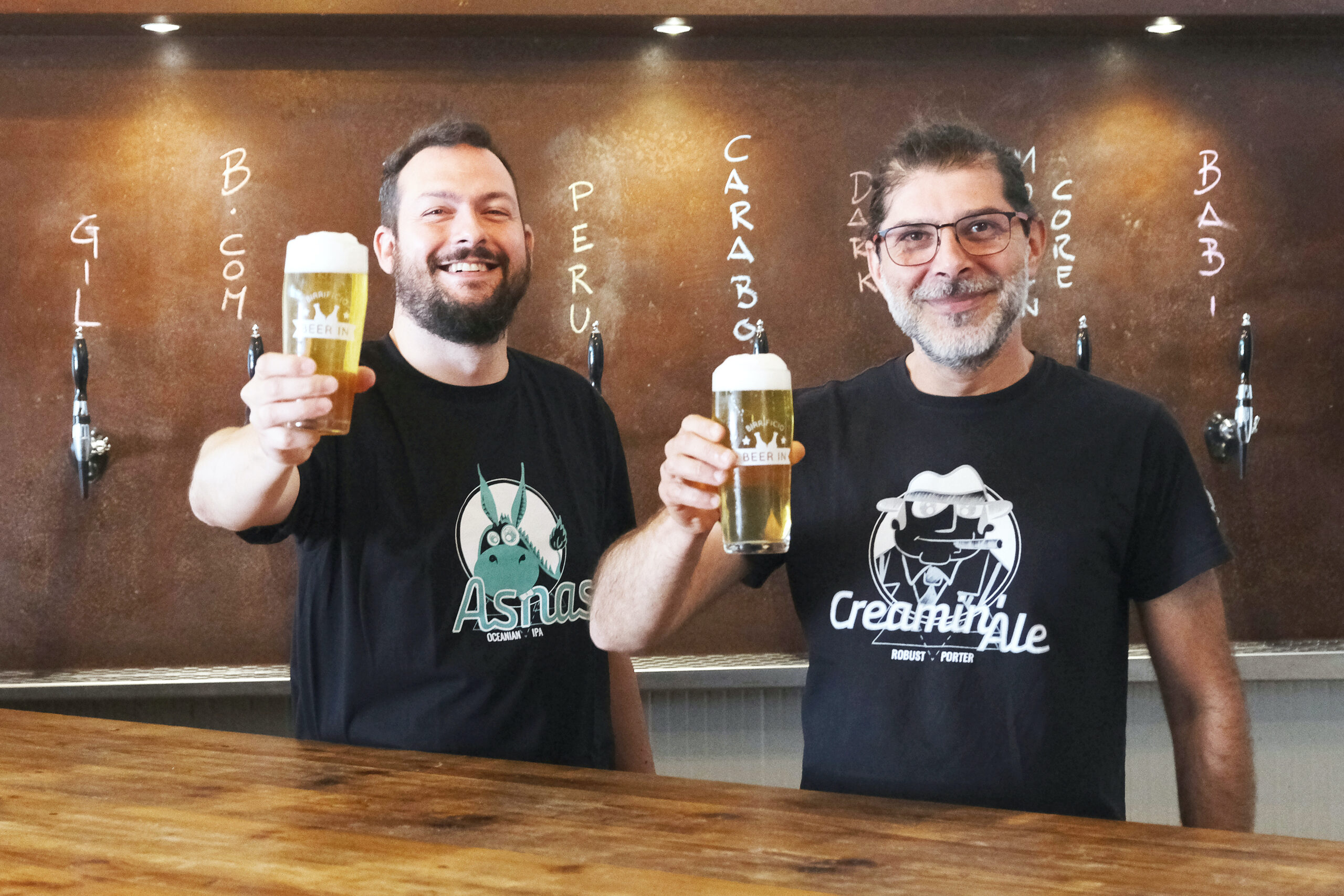
Beer In brewed its first batches in 2011 in spaces far more cramped than the 800-square-meter facility it moved into four years later in Valdilana—a transition made possible by the arrival of local investor and entrepreneur Delfo Barberis Negra. Today, the brewery is steered by Davide Canazza, alongside two other partners who prefer to remain behind the scenes, and head brewer (and fellow partner) Luca Fila Robattino. “Our annual production volume,” Davide explains, “is around 1,000 hectoliters—well above the 600-hectoliter average typical of many similar small-scale operations. From the very beginning, our strategy has been to focus on a solid, recognizable product range. We offer fewer than a dozen core lines, all of which are quite traditional—pilsners, weizens, bocks, English IPAs, and stouts, to name a few. The goal is to provide a beer that is approachable and meant for everyone; so far, this approach has paid off. We don’t feel pressured to chase novelty at any cost; we believe it’s only right that customers should be able to find their own ‘comfort zone’ in a beer. By sticking to this philosophy, we’ve managed to build a highly loyal customer base over the years.”
But the future is not written
Today, Beer In’s product range is distributed directly throughout the Piedmont region and along the A4 motorway corridor between Turin and Milan. Through agreements with specialized distributors, it also reaches the Brescia and Bergamo areas, as well as Rome and the Lazio region. Occasionally, the products make their way to Emilia-Romagna and Liguria; furthermore, the producer’s policy allows for custom shipments to be sent elsewhere to the brand’s most devoted enthusiasts. “70% of our sales,” Canazza continues, “come from kegs, more than half of which are made of steel. We only opt for Polikeg-style bags for long-distance transport or in cases where consumption volumes are not particularly high.” At the moment, only 30% of the brand’s products are bottled, and while the idea of using cans is certainly appealing, it remains purely hypothetical. “We’ve been considering it since before cans gained popularity in the craft beer segment—in fact, we’ve even experimented with a few collaborative projects involving third-party contractors. It all comes down to identifying the right design and the right message, cultivating the market, and having the perfect recipe; it could happen in the future.“
More local than craft
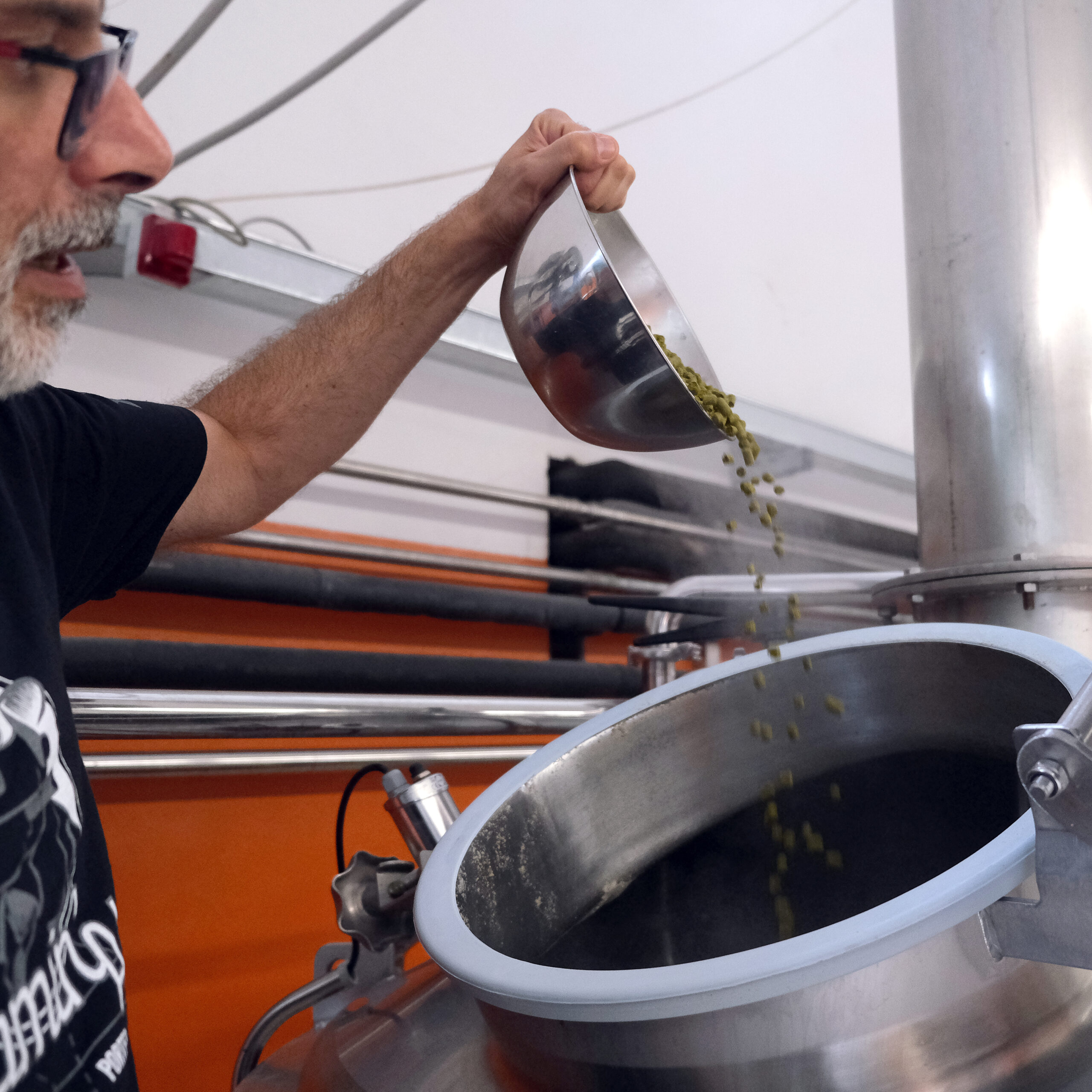
Given the soundness of the aforementioned strategic choices, canning is considered a “commercially attractive” option, and a project in this area could well take shape through a collaboration with a partner company. The acquisition of specialized machinery and systems might be the next logical step. The team at Beer In is certainly not daunted by innovation or venturing into uncharted territory; they recently completed the third brew of “In-Side”—an 8.5% ABV Double IPA created in partnership with the team at East Side in Latina. Furthermore, over the summer, they collaborated with other local breweries—reflecting the idea that “the concept of ‘local beer’ is gaining more traction and appeal than the broader category of ‘craft beer’“—to produce a blonde ale marking the 30th anniversary of the Italian craft beer movement. What remains constant—and will continue to be so—is their fundamental approach. “We aren’t trend-chasers, and we don’t strive for ‘wow’ factors or flashy, superficial gimmicks. We aim for our beers to be as drinkable and smooth-flowing as our local water, honoring its natural characteristics. Our beers are approachable—rarely hyper-complex—and they favor a dry, clean finish with varying degrees of hop character. We want their simplicity to be paired with a distinct, recognizable flavor profile.”