Using a Life Cycle Assessment (LCA), the study by Walichnowska et al. analyses the automated process of bottling and packaging beverages in PET bottles in order to identify the most critical stages and assess the impact of using recycled materials.
The analysis considers the entire production system, from the transport of the preforms to the formation of the multipacks ready for palletisation. The functional unit is the production of 1,000 multipacks, each consisting of eight 1.5-litre bottles.
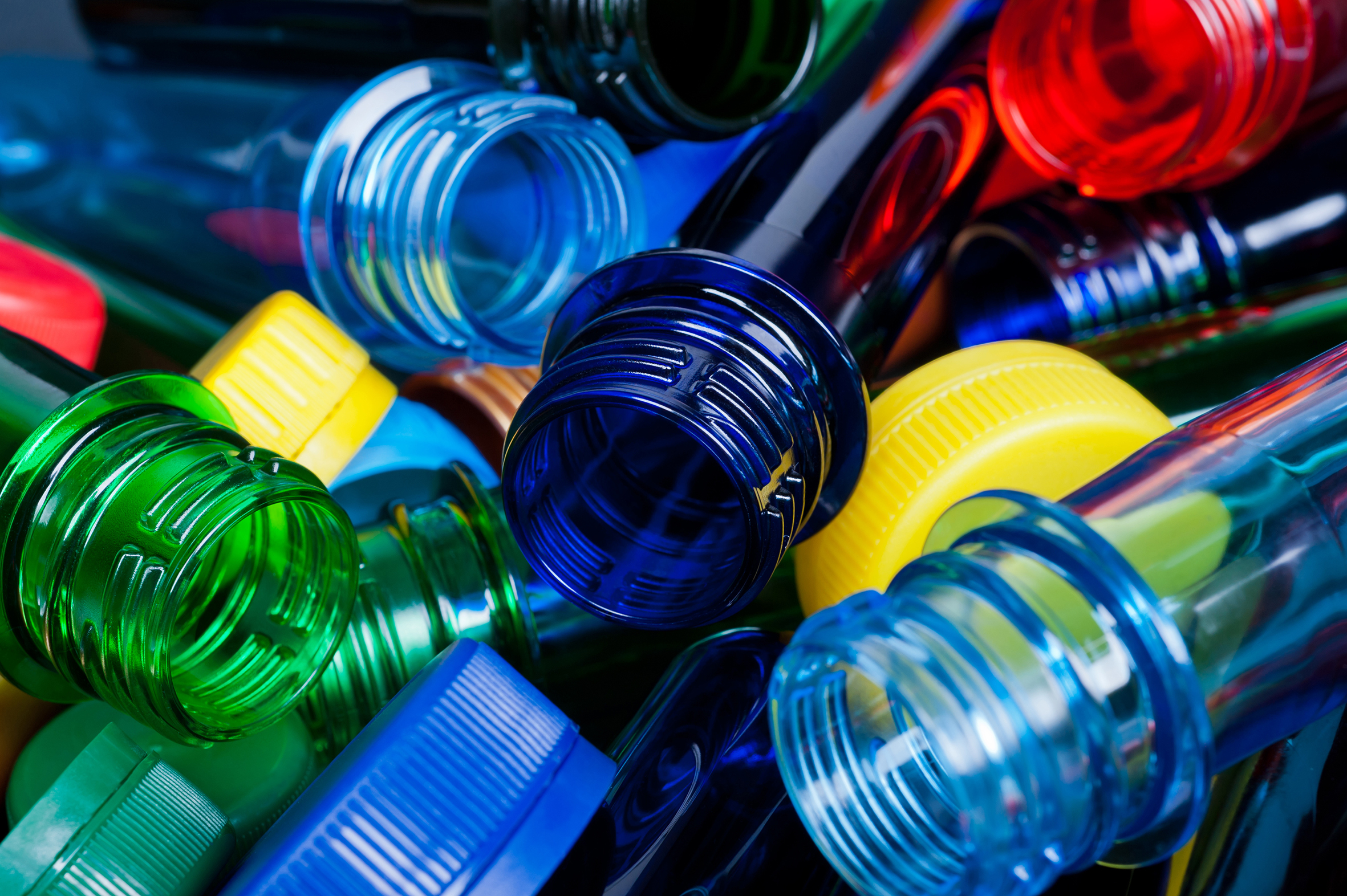
The research compares two system configurations based on different packaging materials. Specifically, bottles made of PET (polyethylene terephthalate) and rPET (produced from recycled plastic) are analysed. A heat-shrink LDPE (low-density polyethylene) film is used to package the multipacks. In the second scenario, the film contains 50% recycled polyethylene (rLDPE), enabling an assessment of how the use of secondary materials affects the overall environmental impact of the process.
The results reveal significant differences between the two scenarios: the use of recycled materials reduces the environmental impact by approximately 80% in the categories related to human health and ecosystems, while the consumption of natural resources decreases by more than 90%. From an energy perspective, a particularly critical stage also emerges: the shrink-wrapping of the film around the multipacks, which accounts for approximately 45% of the line’s energy consumption. Finally, the study shows that recycling bottles and plastic film is more sustainable than landfill disposal, thereby confirming the strategic role of recycled materials in the development of more sustainable packaging systems in the beverage sector.
Bibliography: Walichnowska, P.; Tomporowski, A.; Kłos, Z.; Rudawska, A.; Bembenek, M. Sustainability in Beverage Packaging Technology: Life Cycle Analysis and Waste Management Scenarios. Sustainability 2025, 17, 6594. https://doi.org/10.3390/su17146594