To automatically collect a discarded bottle, a robot must first recognize it and determine its location.
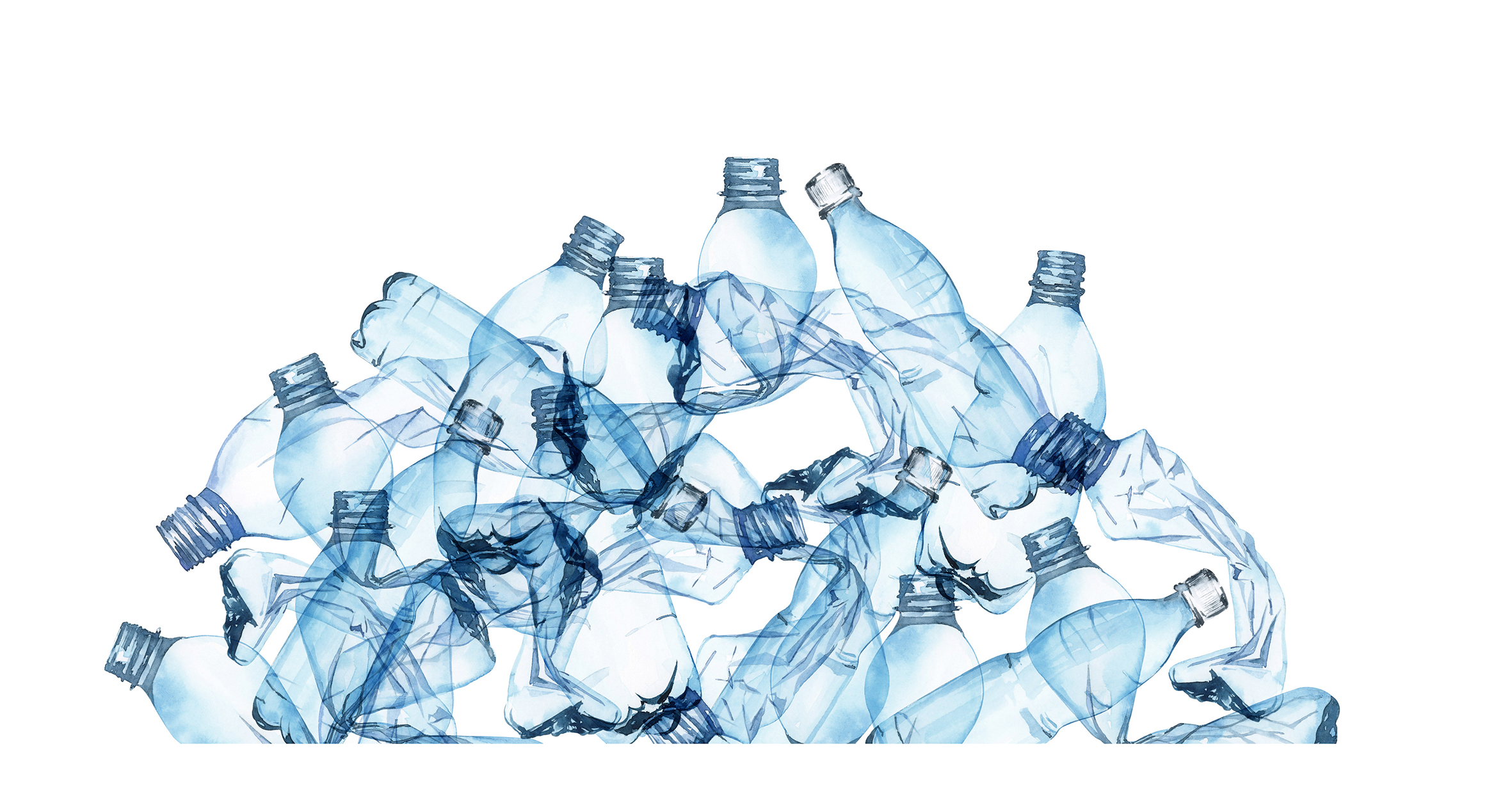
Pasan Deesara and Gayal Rangajeewa have developed a vision system to address this initial step, focusing on PET bottles left on the ground. The system combines an image-recognition model—trained on 501 images to identify bottles—with two cameras mounted on a robotic platform.
The cameras observe the same scene from different vantage points; by comparing these images, the system can estimate distance and calculate the bottle’s three-dimensional position. Averaging successive readings helps stabilize the depth measurement. In tests, the system successfully identified bottles that were upright, tilted, or lying flat, even in cluttered environments or when partially obscured. Distance measurements were compared against actual values ranging from 600 to 1,200 mm. Using a GPU, the processing speed reached 18 frames per second, compared to 4 frames per second when using only a CPU.
However, these results should be interpreted with caution. While the reported overall accuracy is 87.23%, the recall is 0.16—meaning that many bottles present in the scene were not detected during the evaluation. Performance is also affected by lighting, orientation, and reflective surfaces; furthermore, the cameras used become a limiting factor at distances beyond approximately 1.5 meters.
The study demonstrates how image recognition and stereoscopic vision can provide the coordinates necessary for future robotic collection. The current prototype, however, does not yet perform the actual collection; it lacks both a gripping mechanism and the programming required for movement. Achieving fully automated collection will require integrating the system with motion and grasping capabilities, as well as improving the detection of bottles that currently go unnoticed.
Bibliographic references: Deesara, K. H. P., & Rangajeewa, G. (2025). Bottle Identification and Positioning System of the PET Bottle Collecting Robot for Trashed Bottles on the Ground. Transactions 2025 Part B – Technical Papers, The Institution of Engineers, Sri Lanka, pp. 543–553. ISBN 978-624-5810-12-3