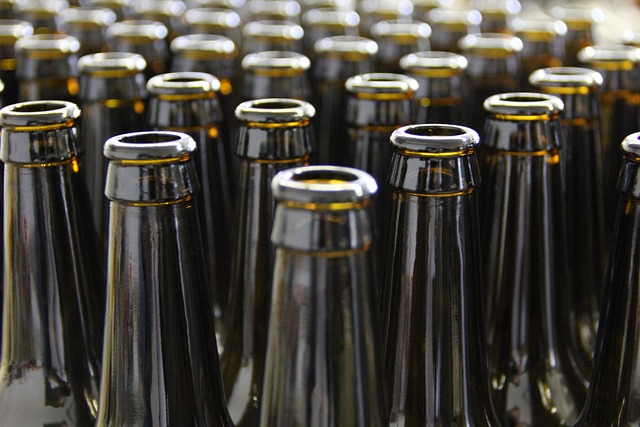
When a returnable glass bottle breaks, it is not just a container that is lost: the number of bottles that the system can reuse also decreases.
A study by Ehsan Dehghan and colleagues shows that this aspect can influence a less obvious decision: how worthwhile the producer and the collection operator find it to invest in the reuse programme.
The researchers constructed a mathematical model of the decisions made by the two operators. The producer chooses the price of the beverage and how much to invest in marketing; the bottle collector decides on the return incentives and investments in the network. The model examines how these choices also change depending on the proportion of bottles that are returned undamaged.
The key finding is that more durable bottles can improve the economics of the entire system: less damage means more containers that can actually be reused and fewer losses in the return chain. When reuse is sufficiently profitable, this can make it more worthwhile both to promote the scheme and to invest in collection.
The research therefore suggests assessing container quality, prices, communication and collection together. However, the results are based on a theoretical model with a single producer and a single collection operator: the authors propose verifying them with company or local data.
Dehghan E., Maleki Vishkaei B., De Giovanni P., “Enabling Reuse and Recycling in Circular Supply Chains: A Game-Theoretic Analysis of Glass Bottle Refilling”, Logistics, 2026, 10(4), 83. https://www.mdpi.com/2305-6290/10/4/83