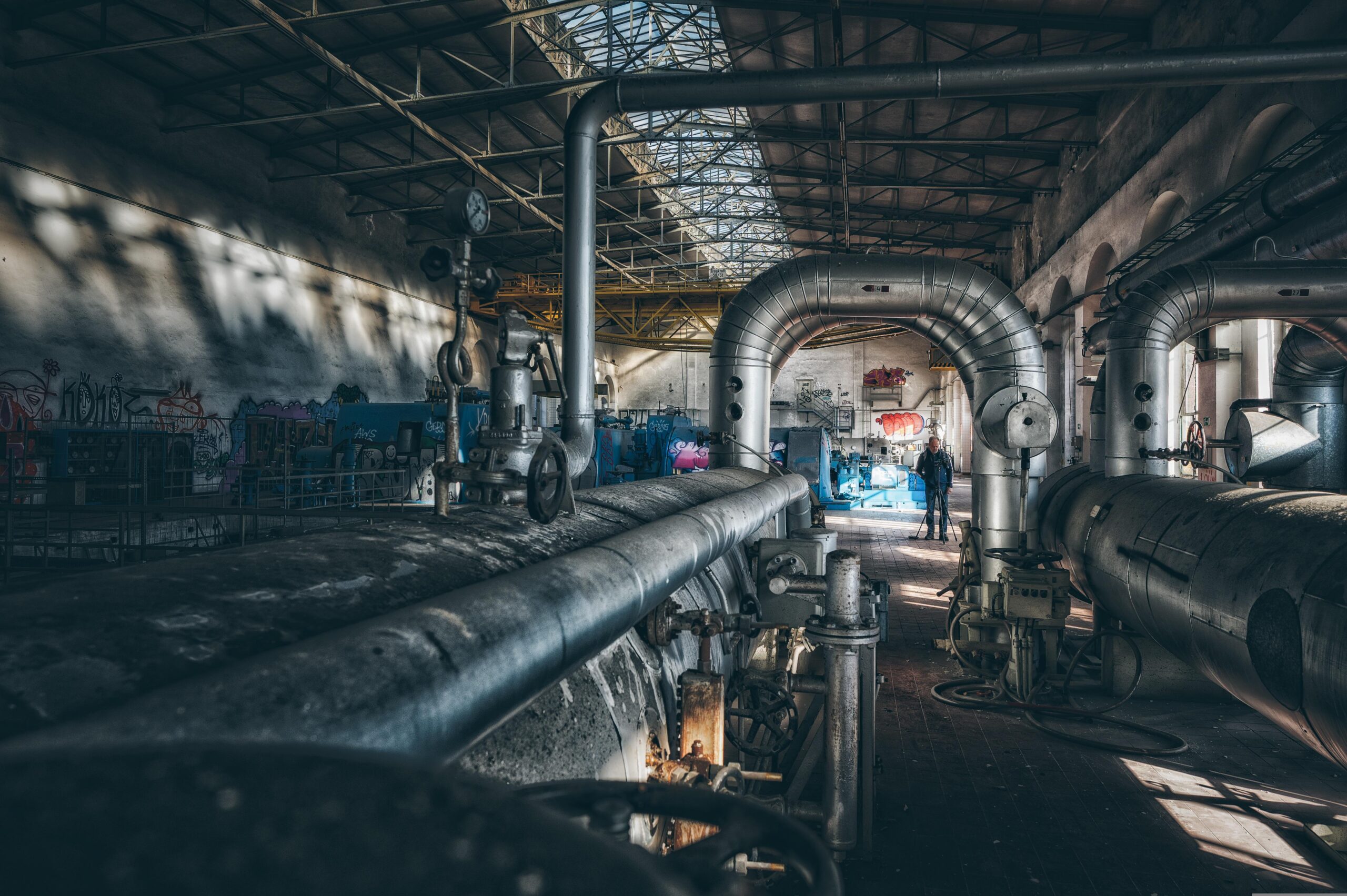
Steam production is now one of the main critical issues in the food industry’s energy transition: this is where the highest consumption is concentrated, but also where the most concrete opportunities for reducing emissions lie. Even today, it relies largely on boilers fueled by fossil fuels, particularly natural gas and coal. These are reliable and well-established technologies, but they are increasingly out of step with current sustainability goals, especially in light of decarbonization policies, carbon pricing mechanisms, and the growing volatility of energy costs. In recent years, there has therefore been a strong interest in alternative solutions capable of reducing emissions and improving the overall efficiency of plants. These include electric boilers, electrode systems, the use of renewable sources such as biogas and solar thermal energy, as well as more advanced technologies such as high-temperature heat pumps and power-to-heat systems. In some cases, electricity can be used to produce hydrogen via electrolysis, which then serves as an energy carrier for combined heat and power generation. Many of these technologies are already available on an industrial scale and enable a significant reduction in emissions compared to traditional systems. Their adoption, however, is still limited by economic factors, such as the cost of fossil fuels and the initial investments required for new systems, with payback periods that can range roughly between 3 and 6 years, depending on the plant configuration and energy costs. Despite this, the electrification of processes and integration with renewable sources represent one of the most concrete directions for the medium to long term. A concrete example comes from the dairy sector in Northern Italy, where replacing a traditional boiler with a hybrid electric-gas system has reduced energy consumption by 18%, while maintaining production levels unchanged.
Principles of Steam Generation
Steam generation occurs through three main phases: heating water to the boiling point, vaporization through continuous heat input, and finally, superheating, which raises the steam to temperatures above the saturation point. Steam is one of the most widely used fluids in industrial processes because it allows for the efficient transfer of large amounts of energy. This is possible thanks to the combination of sensible heat and latent heat, which allows a constant temperature to be maintained during the phase change. A fundamental parameter is steam quality, expressed as the degree of dryness. The presence of liquid water, in fact, reduces the energy actually available for heat transfer and can compromise process efficiency.
Use of Steam in the Food Industry
In the food industry, steam is used in numerous applications, including heating, sterilization, cleaning, and distillation. Its widespread use is linked to its ability to transfer heat quickly, uniformly, and in a controlled manner. Steam is generally produced by boilers that convert the energy of the fuel into thermal energy, which is transferred to water through conduction, convection, and radiation. The main types used are fire-tube boilers and water-tube boilers. In the former, combustion gases ( ) pass through tubes immersed in water; in the latter, water circulates inside the tubes, heated by the hot external gases. Fire-tube boilers are generally used for medium-power applications, while water-tube boilers are better suited for high-pressure and high-flow-rate applications. The latter offer greater production capacity and higher safety levels, but require more careful management, particularly regarding water treatment, to prevent corrosion and material deterioration. Boilers can be fueled by various energy sources, including natural gas, diesel, biomass, or electricity. Electric solutions, in particular, stand out for their lack of local emissions and for their simplicity of installation, although their environmental impact depends on the energy mix used to generate the electricity. At the same time, solutions based on solar thermal energy are also gaining ground, utilizing concentration systems—such as parabolic reflectors or Fresnel technologies—to generate high-temperature steam. However, these systems present certain challenges related to the complexity of the installations and their dependence on solar radiation conditions.
Emerging Technologies for Heating
Among the most innovative solutions is ohmic heating, which uses the passage of an electric current through the product to generate heat directly within it. This approach allows for uniform temperature distribution and faster processing times, making it particularly effective for microbial and enzymatic inactivation. Another growing technology is electrode boilers, which produce steam by exploiting the electrical conductivity of water. These are efficient systems that respond quickly and can be easily integrated with automatic control systems—features that make them particularly suitable for applications with variable loads. Heat treatment remains, however, a fundamental step in food processing, as it ensures microbiological safety, extends shelf life, and maintains appropriate quality standards.
Steam Generation from Renewable Sources
Solar thermal energy represents one of the most promising options for sustainable steam production. Concentrating systems, equipped with solar tracking, can reach high temperatures, up to approximately 350–370°C, making them suitable even for industrial applications . Hybrid systems are also being developed that combine different energy sources, such as electricity and natural gas, with the aim of optimizing consumption based on operating conditions and energy costs. Steam accumulators also play an important role, allowing for the management of imbalances between production and demand, improving system stability, and increasing the plant’s overall efficiency.
New Electric and Hybrid Solutions
New-generation electric boilers, including those based on advanced technologies such as nanomembranes, allow for the direct conversion of electrical energy into heat with high efficiency. These systems are distinguished by their high power density, low emissions, and the ability to integrate with advanced control systems. Hybrid generators, on the other hand, offer greater operational flexibility, allowing for the switching between different energy sources based on production needs and costs.
Alternative Fuels

The use of biogas and biomethane significantly reduces CO₂ emissions compared to traditional fossil fuels. Boilers fueled by these fuels can achieve good efficiency levels, especially when integrated with heat recovery systems. However, the use of biomass presents some challenges, such as slag formation and ash management, which are linked to the fuel’s composition.
Heat Pumps for Steam Generation
Industrial heat pumps are playing an increasingly important role in the production of low- and medium-temperature steam. These systems allow heat to be recovered from low-temperature sources, such as process waste or ambient air, and raised to a higher temperature. The most advanced solutions can achieve temperatures exceeding 100–120°C, with energy savings of up to 20–30% compared to traditional systems under optimal conditions.
Efficiency of steam systems
A boiler’s efficiency is determined by the ratio of the energy contained in the steam produced to the energy supplied to the system. In modern boilers, efficiency typically ranges from 85% to 95%, depending on the technology and fuel used. The main losses are related to exhaust gases, heat loss, and blowdowns. Among these, losses in the flue gases represent the most significant component, which is why it is essential to adopt heat recovery systems. Optimizing energy efficiency is therefore a central element in plant management, with direct benefits for both costs and environmental impact.
Digitalization and Smart Control in Food Steam Processes
In the food industry, the growing focus on quality and safety is accelerating the adoption of digital solutions even in steam systems. The use of IoT sensors allows for real-time monitoring of parameters such as pressure, temperature, steam quality, and energy consumption throughout the entire process line. This is particularly important during sterilization and pasteurization, where control of operating conditions is critical. Artificial intelligence and machine learning systems rely on this data to optimize production cycles and reduce variability. For example, it is possible to automatically adjust the steam supply based on the actual load, avoiding excessive treatment that could compromise product quality. A further development is represented by digital twins, virtual models of the plant that replicate its behavior. These tools allow for the simulation of operational scenarios, support validation activities, and improve overall process management. However, increased connectivity also requires greater attention to cybersecurity. Data protection and operational continuity become central aspects in plant design.
Conclusions
Steam production remains an indispensable element in food industry processes, but it is also one of the areas where the energy transition is playing out most tangibly. Alternative technologies—from electrification to hybrid solutions and integration with renewable sources—are now available and, in many cases, already applicable at the industrial level. However, their adoption requires careful evaluation, not only from a technical standpoint but also from an economic and managerial perspective. In this context, digitalization represents an increasingly important enabling factor, but not a substitute: true change depends on the ability to integrate different technologies in a way that aligns with production needs. The question today is no longer whether to upgrade steam systems, but when and how to do so. Postponing these decisions now means, in most cases, accepting higher costs and reduced competitiveness in the coming years.