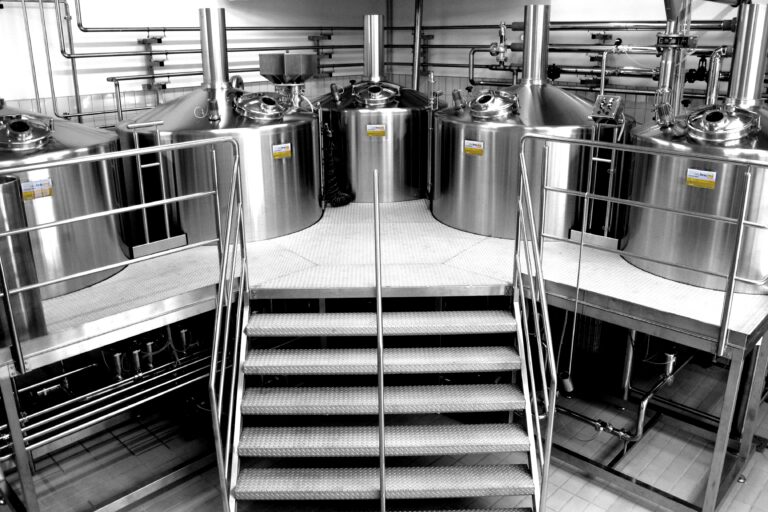
In the food industry, work surface design is a crucial technical element for ensuring regulatory compliance, operational safety, and product quality. Industrial flooring, in particular, must meet stringent requirements in terms of hygiene, chemical and mechanical resistance, and durability, contributing to compliance with HACCP procedures and industry certification standards. In this context, seamless solutions emerge as an advanced design choice, capable of combining high technical performance with ease of management and maintenance.
The typical operating conditions of food environments impose particularly severe stresses: intensive washing cycles, constant presence of water and humidity, use of aggressive detergents and sanitizers, contact with organic substances, continuous traffic of handling vehicles, and frequent thermal shocks. Added to these critical issues is the need to ensure waterproof, non-slip, non-porous, and easily sanitized surfaces, while also reducing system downtime during installation or maintenance. “In the food industry, flooring must be considered an integral part of the production process,” explains Andrea Penati, CEO of IPM Italia. “Companies require not only resistance and durability, but surfaces that help ensure hygiene, safety, and business continuity. Each environment has specific needs and requires solutions designed to meet the specific needs of the processes and operating conditions“.
Active since 1981 in the formulation, production, and installation of seamless flooring, IPM Italia has developed a range of systems specifically for the food industry. These systems are characterized by the absence of joints, eliminating critical points where dirt, organic residue, and bacteria can accumulate, facilitating cleaning and sanitization operations and contributing to compliance with HACCP procedures.
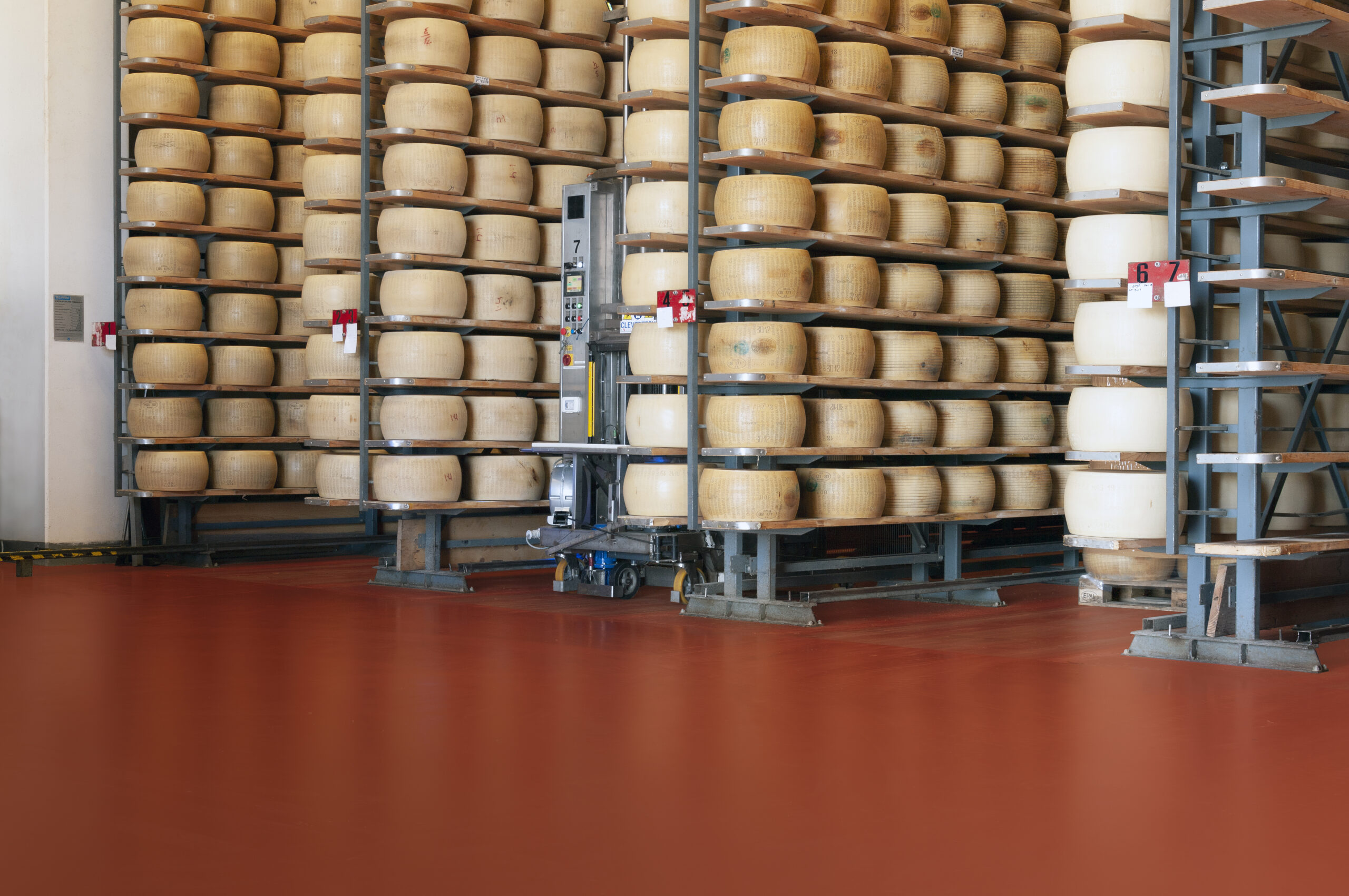
Among the most widely used solutions is IPM Multicrete, a polyurethane-cement system developed for production environments subject to the most demanding conditions. Thanks to its high chemical and thermal resistance, breathability, and ability to withstand frequent washing and aggressive substances, the system is used in numerous food processing sectors. Its formulation also allows it to resist the percolation of particularly aggressive substances, such as whey, and temperatures up to 110°C, characteristics that make it particularly suitable for the dairy sector.
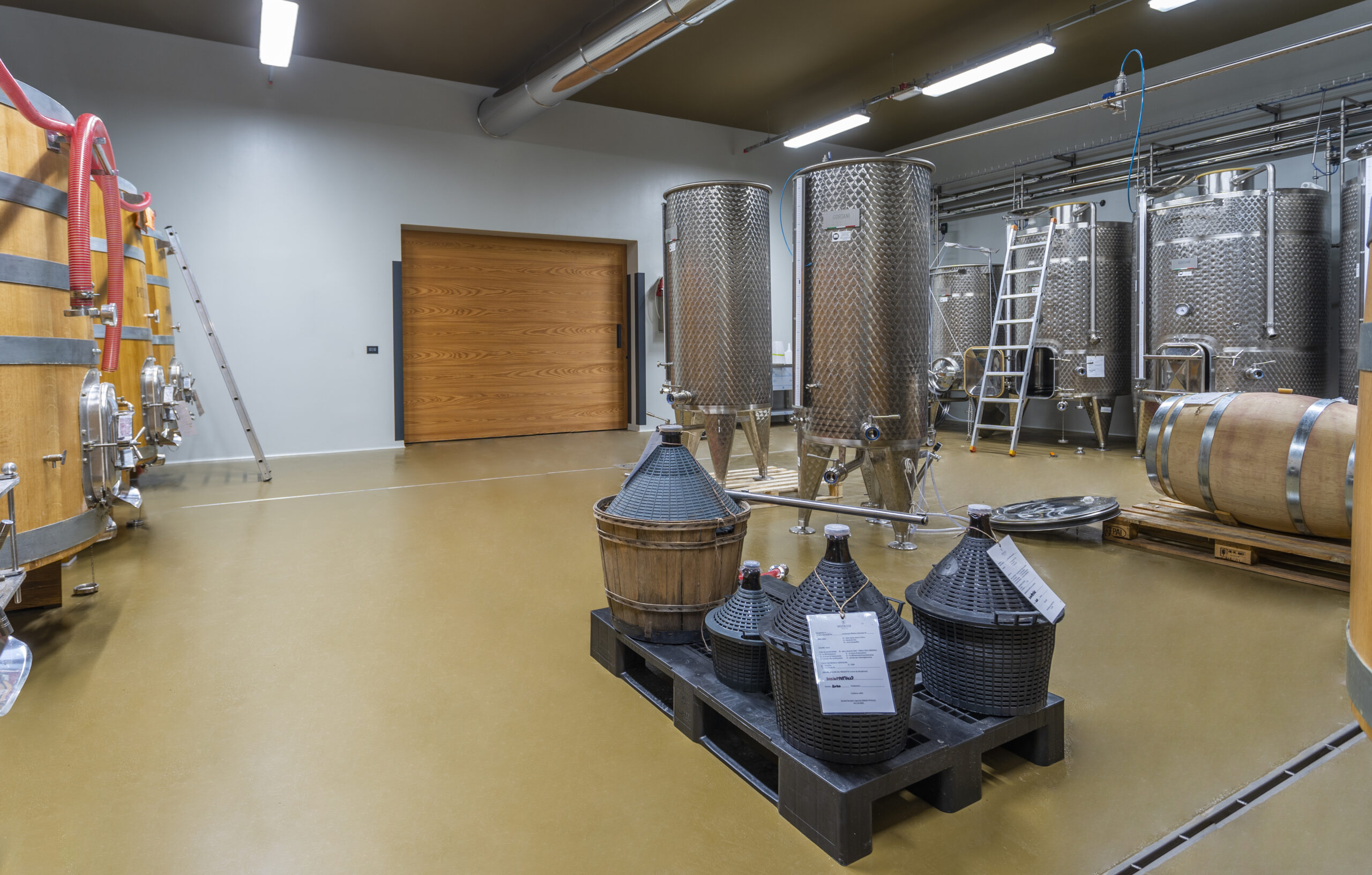
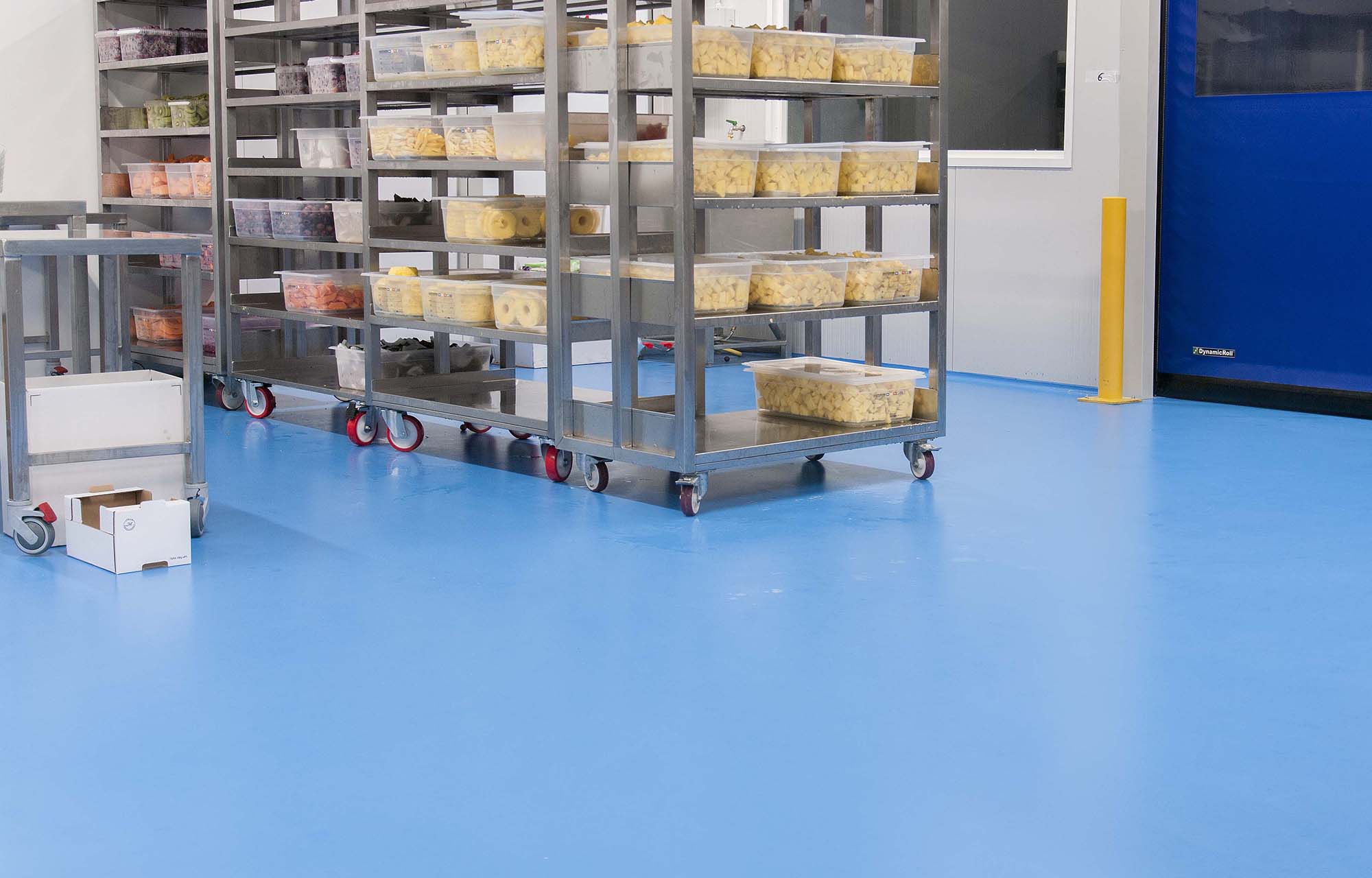
For warehouses, storage areas, and warehousing, IPM Italia offers IPM QCF Rapid, a system with a transparent finish and porcelain quartz developed for the beverage and food sectors. Resistant to aggressive chemicals and acidic pH, and characterized by rapid installation, it significantly reduces installation times while ensuring flatness, ease of maintenance, and a variety of non-slip finishes. Its ability to withstand acidic environments makes this system particularly suitable for the winemaking industry. In cellars, winemaking areas, and bottling plants, floors are exposed daily to must, wine, detergents, and frequent washing cycles. In these contexts, in addition to chemical and mechanical resistance, worker safety, ease of sanitization, and operational continuity are essential, especially during the most intense production phases. IPM Stratos, on the other hand, is a multilayer epoxy system with a monochrome effect that combines rapid installation, wear resistance, and ease of cleaning. Compliant with HACCP requirements and the UNI 11021 standard for environments where food is handled, it is particularly suitable for areas subject to medium mechanical stress, where it is necessary to limit system downtime without sacrificing durability and performance.
When the need arises to restore existing, particularly deteriorated surfaces without invasive demolition, IPM Blindo is the ideal solution for renovating deteriorated floors. It is a high-thickness, fiber-reinforced epoxy mortar system designed to restore surfaces that are cracked, worn, or contaminated by liquids and process substances. Thanks to its high mechanical and chemical performance and the ability to restore heights and slopes, it allows production areas subject to heavy traffic and heavy loads to be quickly restored to service. IPM Blindo also meets HACCP requirements and is available in specific versions for floors contaminated by oil or particularly damaged.
The IPM Aquaperm Ceramix system also allows for seamless floor-to-wall installation, eliminating joints and porosity and making surfaces easily washable and sanitized. This solution is particularly popular in environments where hygiene is a top priority.
Over the years, IPM Italia has completed numerous projects for companies in various segments of the food supply chain, accompanying the growth and evolution of production facilities, processing areas, and warehouses. References include companies in the dairy, food processing, and bottling sectors, as well as brands such as Fabbri 1905, Despar, Cantina Sergio Pitticco, Kellerei Bozen – Cantina Bolzano, and Zarpellon. This expertise allows IPM Italia to approach each project starting with an analysis of the actual conditions of use and identifying the system best suited to the client’s needs. “In the food industry, there is no one-size-fits-all solution,” concludes Penati. “Every flooring project begins with a technical analysis of the processes, flows, and critical environmental issues. The goal is always the same: to create durable, safe surfaces capable of supporting the company’s production efficiency over time“.