Personal protective equipment is a cornerstone of food safety with gloves, aprons and protective clothing being relied on every day to protect workers from injury and help prevent contamination of food products. Yet their presence alone does not guarantee that risks are being managed.
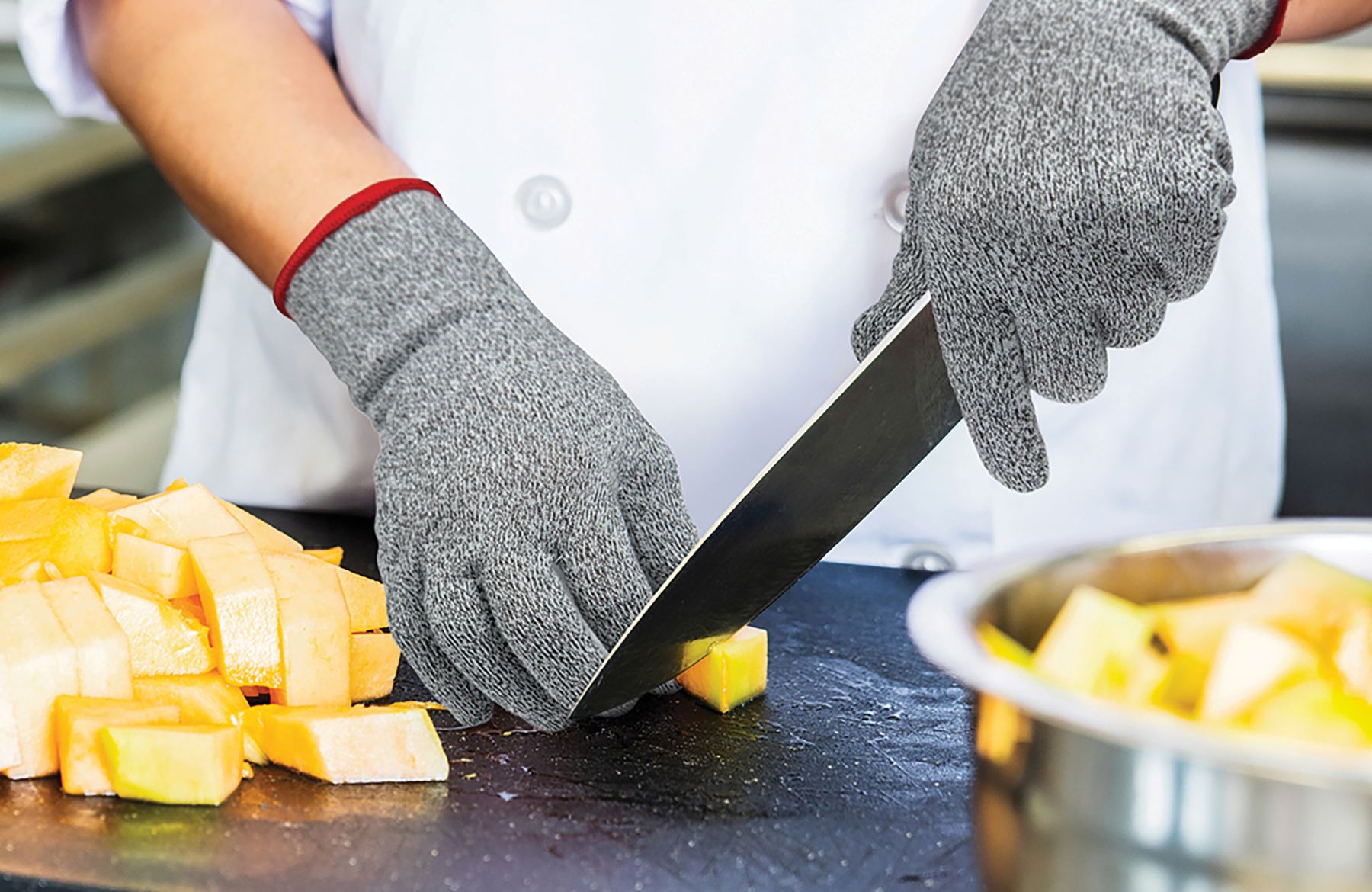
In food processing, PPE sits directly on the boundary between people and product. When it is correctly selected and managed, it can support hygiene and worker safety. When it is poorly matched to the task, damaged, uncomfortable or used inconsistently, it can create new routes for contamination.
SHOWA’s food safety guide examines the four main contamination risks facing food manufacturers: biological, physical, chemical and allergen cross-contact.
Biological contamination can occur when harmful microorganisms are transferred into the food chain. Gloves and protective clothing help maintain a barrier between workers and food-contact surfaces, supporting the hygiene practices required in food processing environments.
Physical contamination is another key risk and in this context, PPE must not become part of the problem. Gloves exposed to mechanical stress need to maintain their integrity, helping to prevent tearing, flaking or fragments entering the production line. Fit is also important, as gloves that are too loose can reduce dexterity, while gloves that are too tight can cause fatigue and discourage consistent use.
Chemical contamination requires careful attention to material compatibility. During cleaning, sanitation or handling in oily and chemically demanding environments, glove materials may be exposed to substances that can affect performance. Selecting materials suited to the application helps protect both the worker and the product.
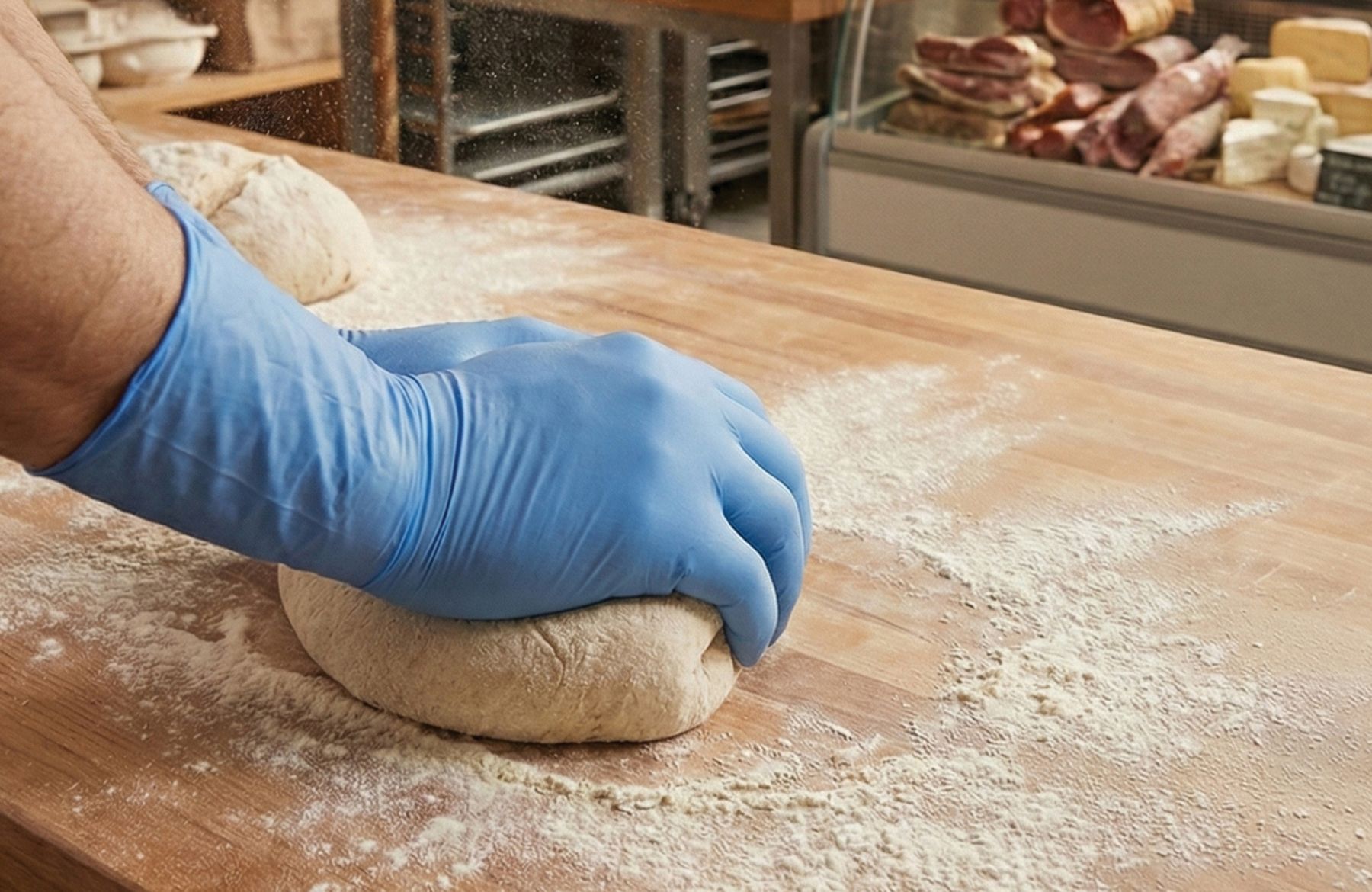
Allergen cross-contact is also a major consideration in food production. Where different ingredients, allergens or processing zones are present, glove management and colour coding can help support separation and make compliance easier to monitor on the factory floor.
The guide also highlights the behavioural risks linked to glove use. PPE can create a false sense of security if workers assume that a barrier remains effective throughout a shift. Gloves still need to be changed between tasks, replaced when damaged and selected for the specific conditions in which they are used.
For food manufacturers across Europe, compliance also plays an important role. SHOWA’s Food Industry Range references relevant food-contact requirements, including EN 1186, Regulation (EC) No 1935/2004 and Regulation (EC) No 2023/2006.
Download the guide and explore SHOWA hand protection solutions for the food industry