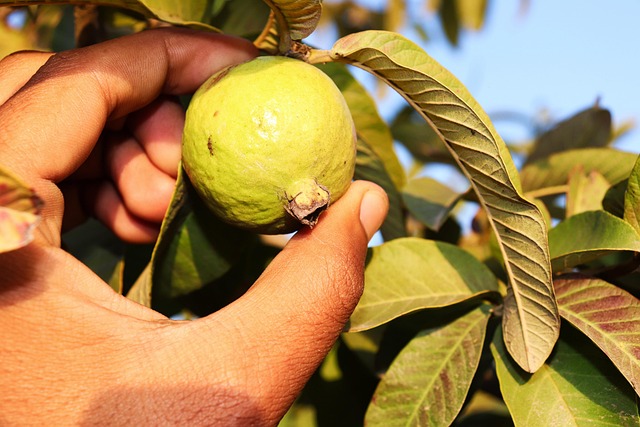
Traditional methods for preserving guava puree—a tropical fruit rich in antioxidants, other phytochemicals, and dietary fiber—rely on heat treatments that unfortunately cause the degradation of some of its nutritional content.
A recent study by an international team of researchers (Plaza et al., 2024) aimed to determine the optimal conditions (pressure, carbon dioxide percentage, and residence time) for pasteurizing this product using dense-phase carbon dioxide (DPCD). The amount of CO2 solubilized in the puree was experimentally measured within a pressure range of 6.9 to 31.03 MPa at 35°C.
The results demonstrate that a ≥ 3.2 log reduction in yeast, mold, and total aerobic counts can be achieved using a pressure of 34.1 MPa, 8% CO2, and a residence time of 6.9 minutes.