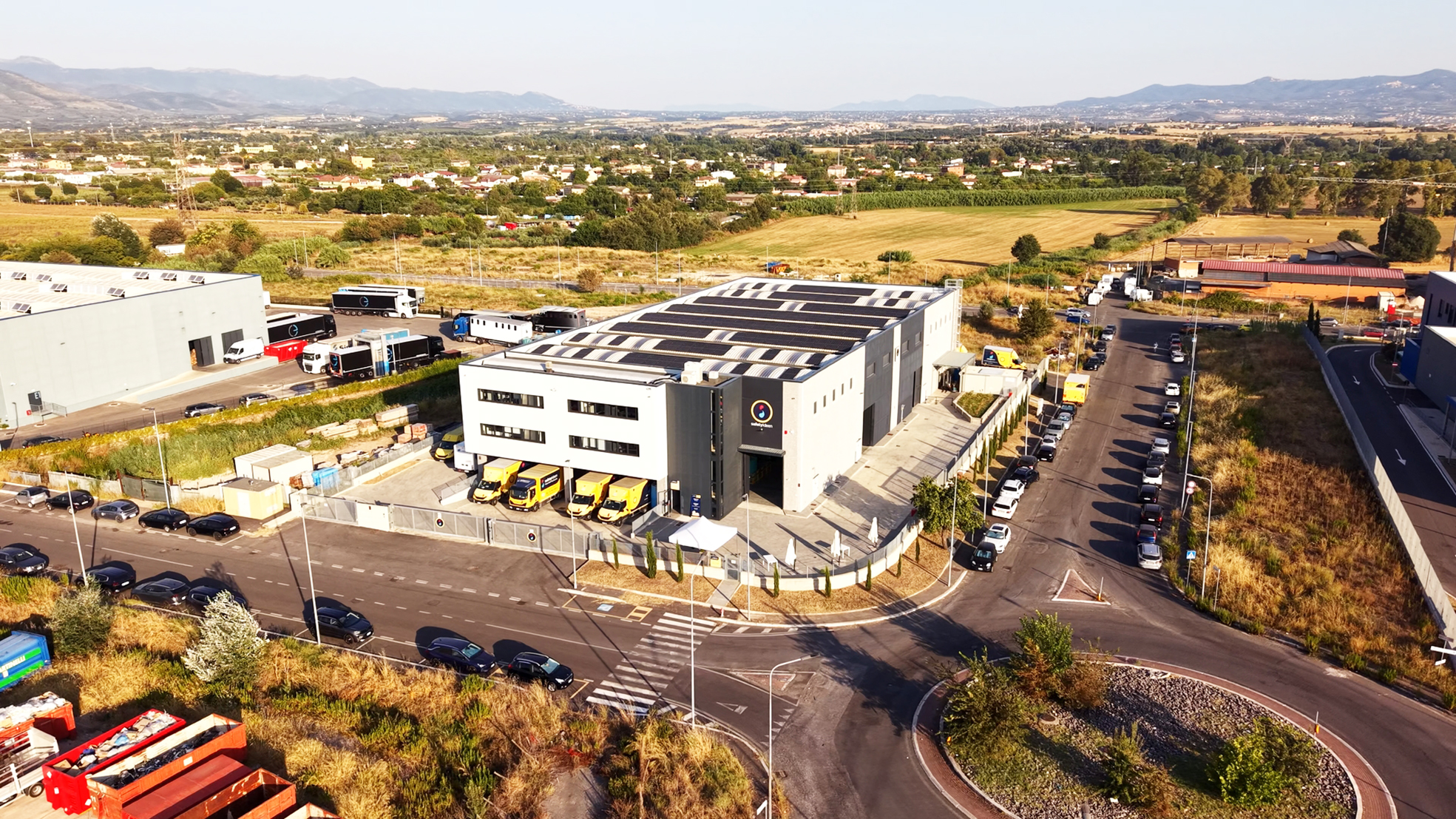
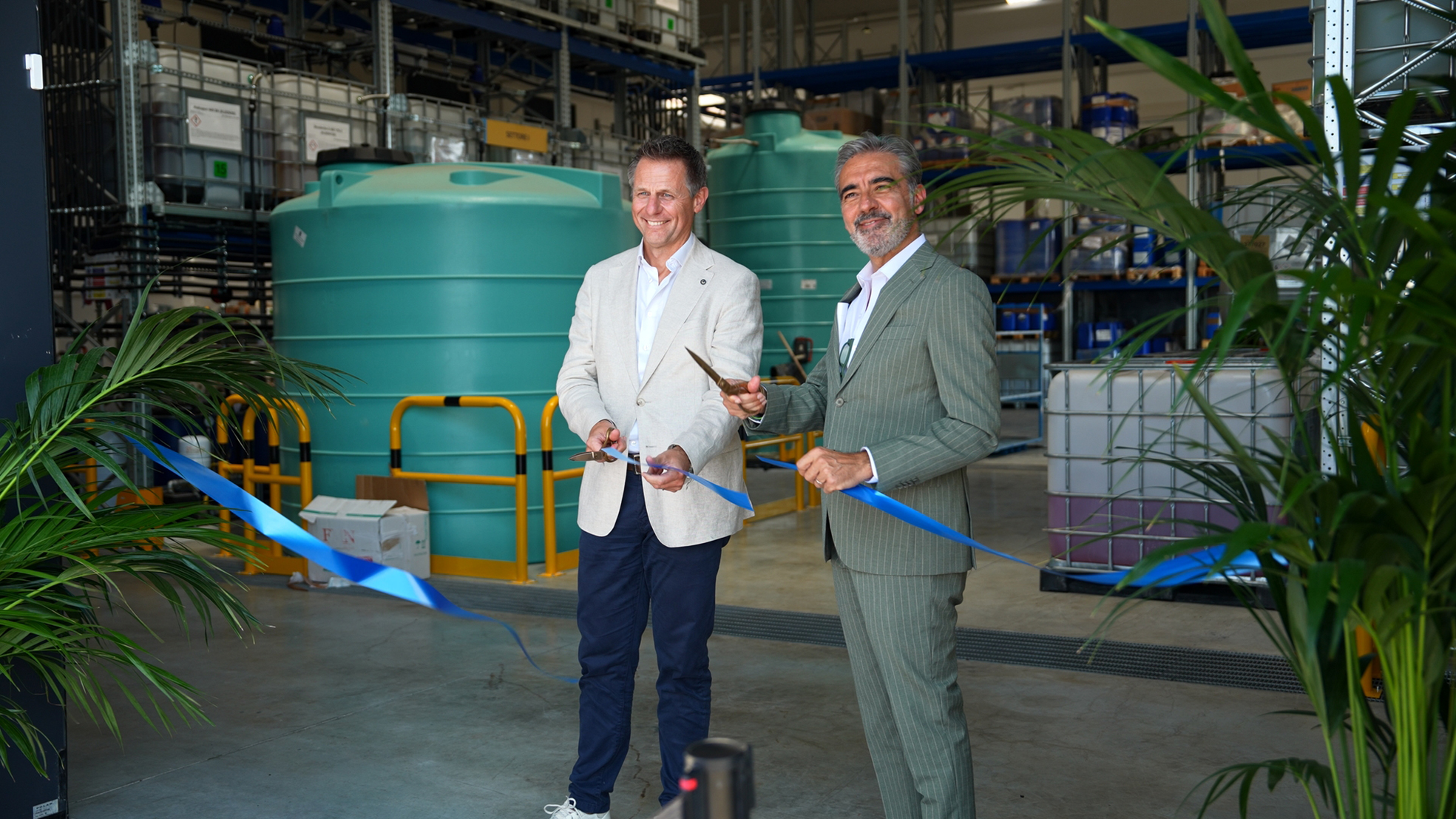
On 15 July, Safetykleen inaugurated its new hub in Rome in the presence of the CEO of Safetykleen International, Erwin Wieffering, and the Italian Managing Director, Riccardo Salmin.
The branch was designed to become a model for all the company’s other European sites and is part of the path the company has set out with the publication of its new Sustainability Report.
The company has established itself as a key player in the field of mechanical component cleaning services for industry and, above all, the manufacturing sector. It stands out and aims to further distinguish itself through sustainable waste management and its commitment to the environment and the promotion of a circular economy model. It is no coincidence that the event organised for the ribbon-cutting ceremony in the capital had the theme From circular to impact – The future of sustainable industry as its title and leitmotif. This is not just a slogan, and the Chief Executive Officer, Erwin Wieffering, was quick to make this clear.
The aim is to live in a wonderful world
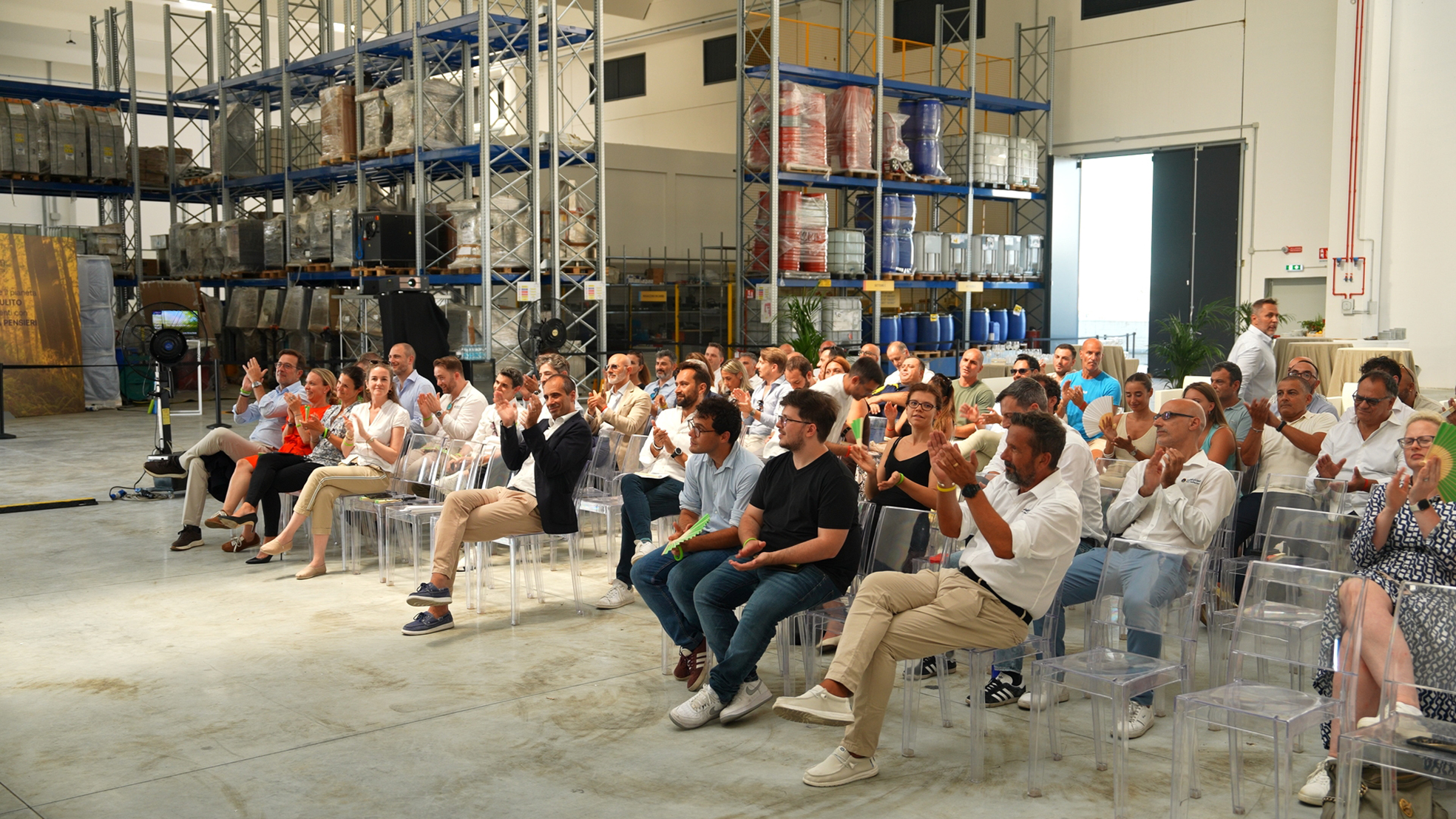
“Sustainability,” he said, “is a way of life for Safetykleen and means making future innovation available to generations to come: it’s about our children and the actions we take to make the planet cleaner and safer. It is an ambition backed by specific choices and programmes: it is not just about offering customers a better service, but about doing so in a sustainable way, so that, like us, our young people too can live in a wonderful world.”
Wieffering emphasised how the Rome hub fully reflects the standards that characterise the 90 branches Safetykleen operates in 15 countries and indicate that sustainability encompasses every aspect of its business. “Everything,” he noted, “is closely linked to the concepts of safety and the sustainable use of energy and water resources, for example. In Rome, everything is circular and perfectly encapsulates what we have done so far, anticipating the cornerstones of our evolution.”
Transforming and being transformed, to reduce waste
This view was echoed by the managing director, Riccardo Salmin. “It is the first branch to open in the last twenty years,” he said, “and it is designed around circularity and sustainability, as well as being the result of investments made over the past five years. Innovation must guarantee Safetykleen’s customers what we call ‘peace of mind’ and the provision of 100 per cent sustainable services. The Sustainability Report demonstrates how we are successfully reducing emissions and our environmental impact on an ongoing basis, turning our commitment to the environment into a competitive advantage.”
The emphasis placed on machine reconditioning is also “a source of competitiveness and a sign of our ability to transform what might otherwise be waste into innovation”. It enables us to consume less and further reduce CO₂ emissions; and to continue on the path towards the green transition by introducing new developments every year, with the full support of investors.
‘At our facilities in Paris,’ he concluded, ‘we are developing systems for more effective recovery of water-based waste, so that we can further reduce our environmental impact for the benefit of our customers.’
Even closer to the local community
On more than one occasion, Safetykleen has sought to highlight the importance of its Rome office, which was designed to ensure closer proximity to customers in the central and southern regions of the peninsula, and, of course, sustainability. The latter, in fact, should not be regarded merely as an ancillary element, but as an integral part of the business model. Whilst ESG criteria – which we have had the opportunity to discuss – have now become a guiding light for businesses, Safetykleen’s technologies make it possible to measure environmental impacts and their reduction, based on reliable data. Cleaning and washing services will continue to advance, underpinned by the three pillars of service excellence, safety and sustainability.
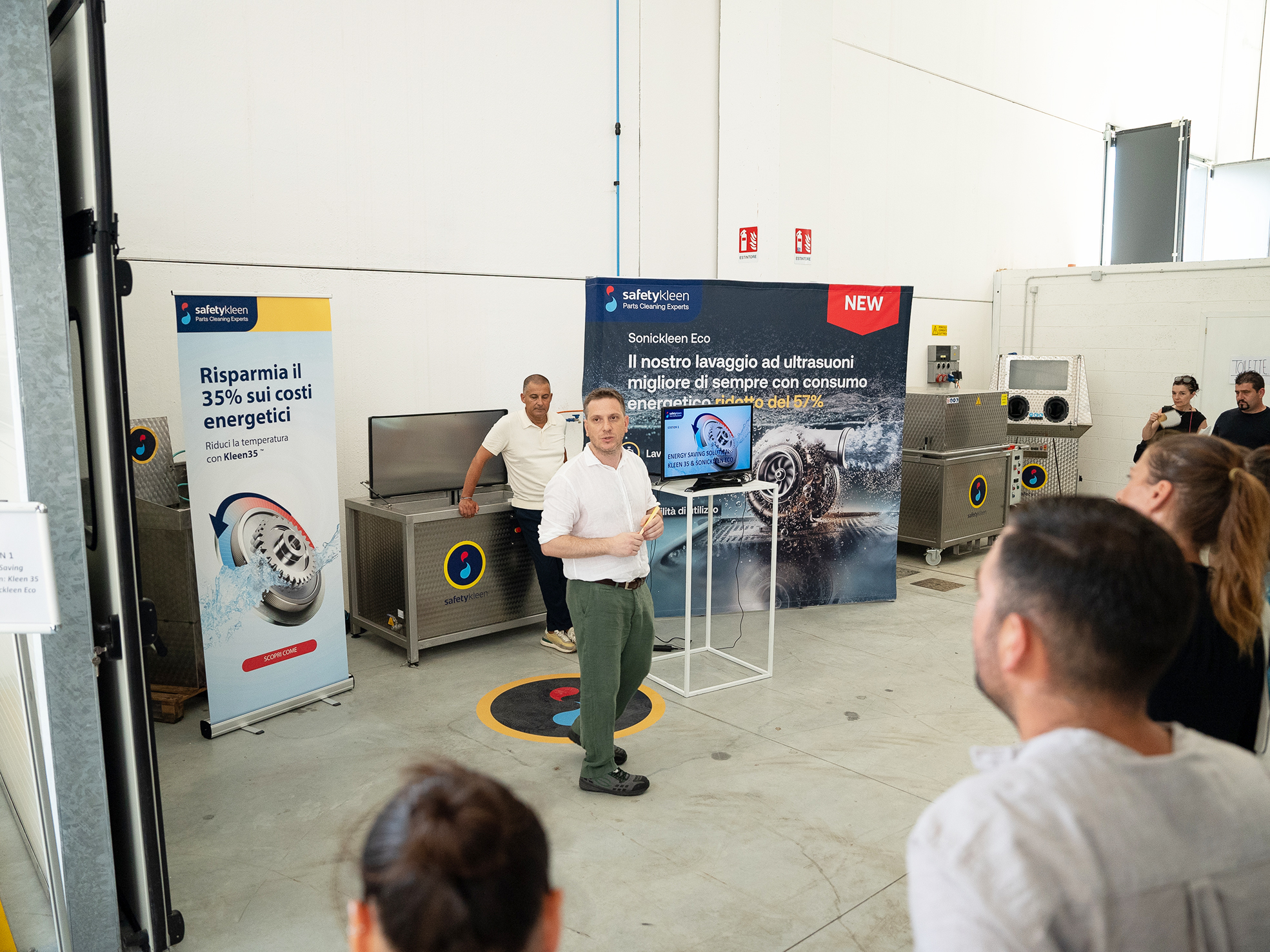
The ribbon-cutting ceremony and the discussion – in which the Honourable Roberto Morassut also took part on behalf of the government – were followed by a tour of the plant, divided into four stages. The first stage showcased the products, in particular Sonickleen Eco and Kleen35, a chemical solution developed to lower operating temperatures. A video and guided tour then took the group to the ‘Building’ section, which was itself designed and built to sustainability criteria and fitted with photovoltaic panels for on-site electricity generation. In the operational area dedicated to PCT (Purified Cleaning Technology), the process of purifying the water used – together with the chemicals – to produce the cleaning solutions for use at customers’ premises was explained. This is a standardised procedure applied across all international branches. Finally (Fourth stop), the tour moved on to the offices, where an overview was provided of sustainability from the customer’s perspective – specifically, how the market might interpret and embrace this issue, which has now become essential.