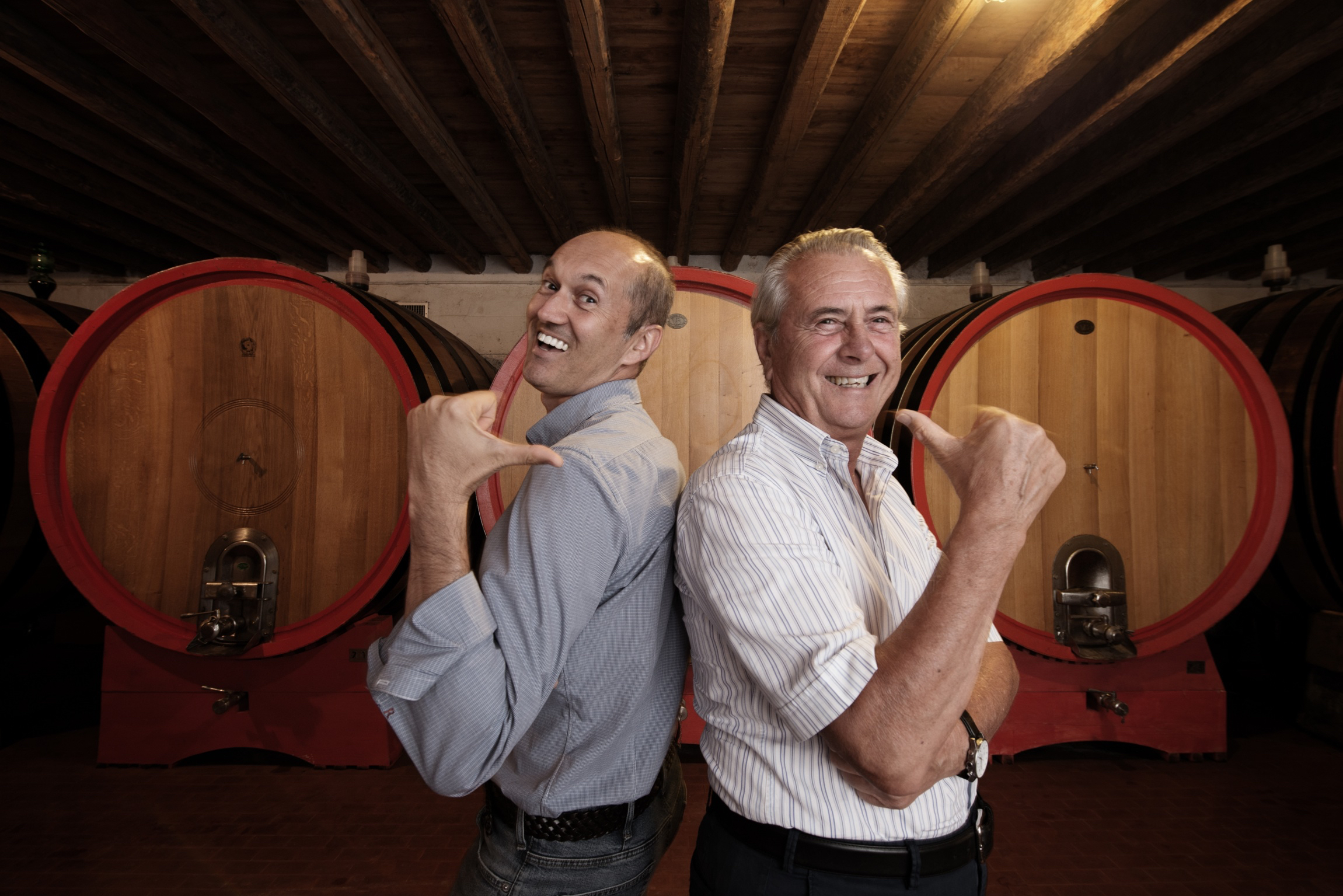
In Venegazzù, in the province of Treviso, wine bottling is not seen as a race to achieve maximum speed, but as a stage in which flexibility and product protection must go hand in hand. It is here that, since 1972, the Palla family – who played a key role in the recognition of Asolo Prosecco Superiore DOCG – has been consolidating the tradition of local wines, thanks in part to filling and packaging technology which the owners consider indispensable.
«As we produce both still and sparkling wines, we need machinery that can adapt to all types of wine», explains Lorenzo Palla, owner of Loredan Gasparini. «We have no need for equipment with enormous production capacities». The bottling line is started up two or three times a month and processes, on average, around 3.000 bottles an hour; packaging, on the other hand, takes place daily. Apart from a few private labels, around 500.000 products are bottled each year, 300.000 of which are under the Loredan Gasparini brand and 200.000 under the Casa Bianca brand by Venegazzù Vini.
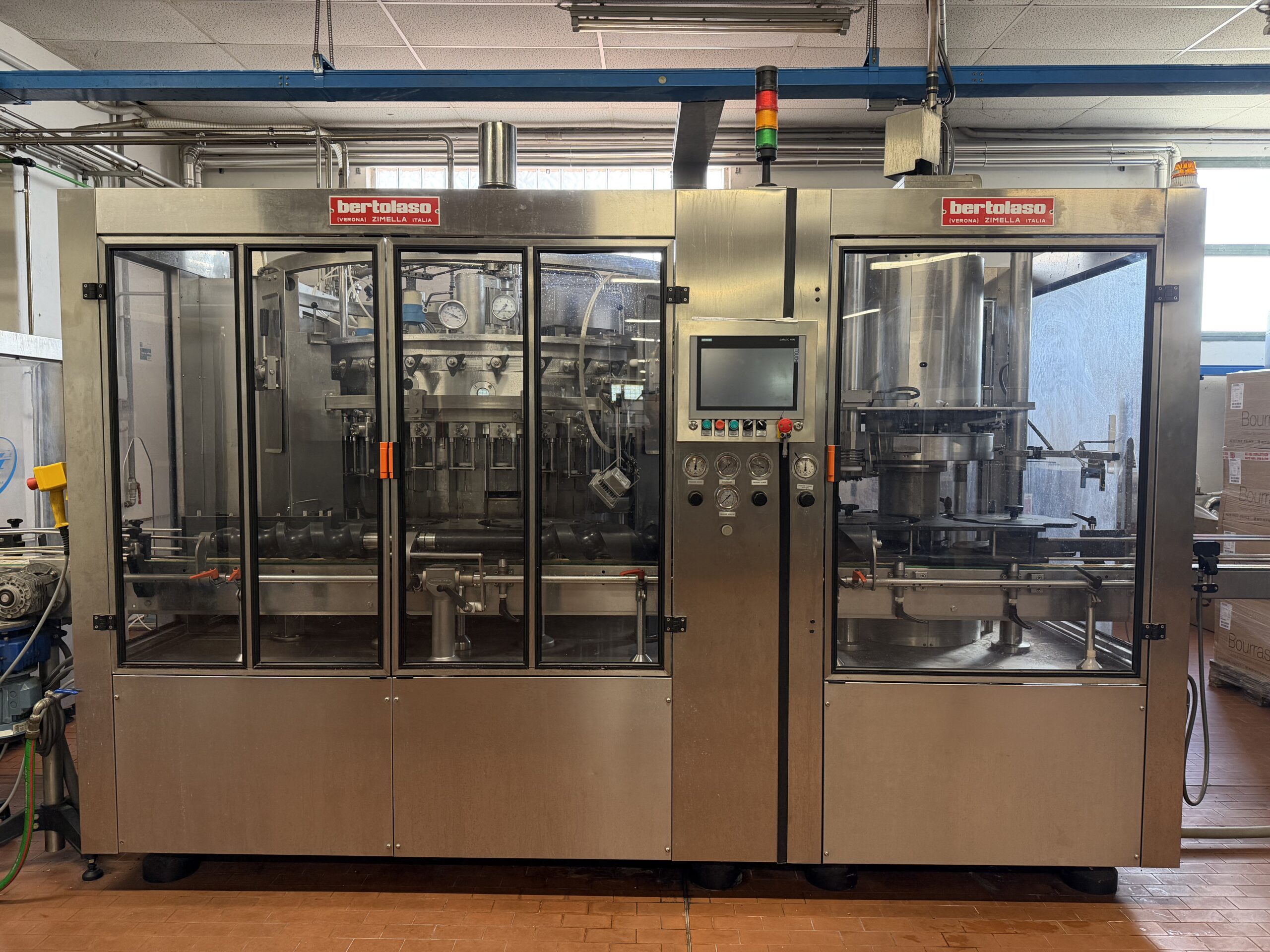
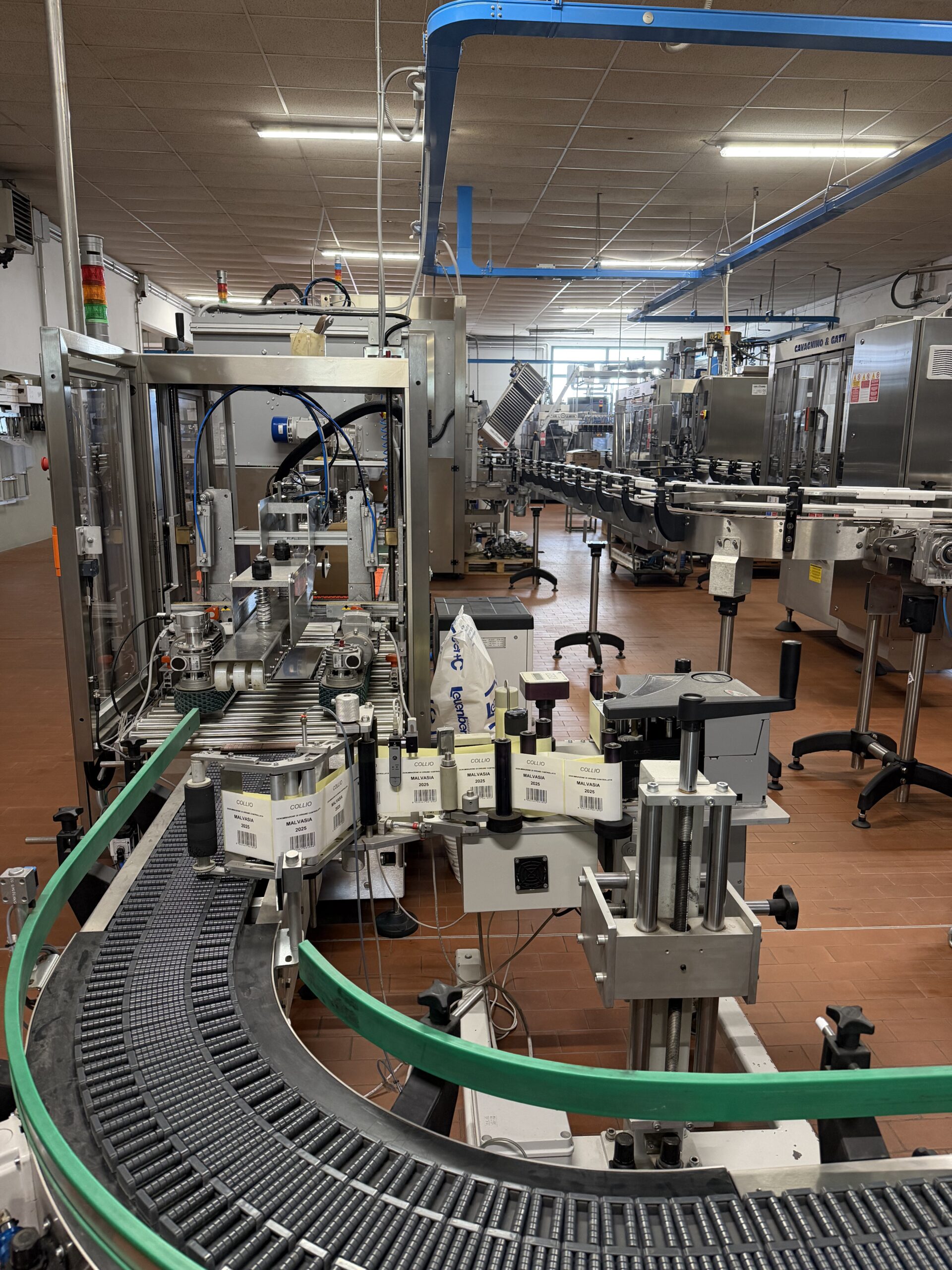
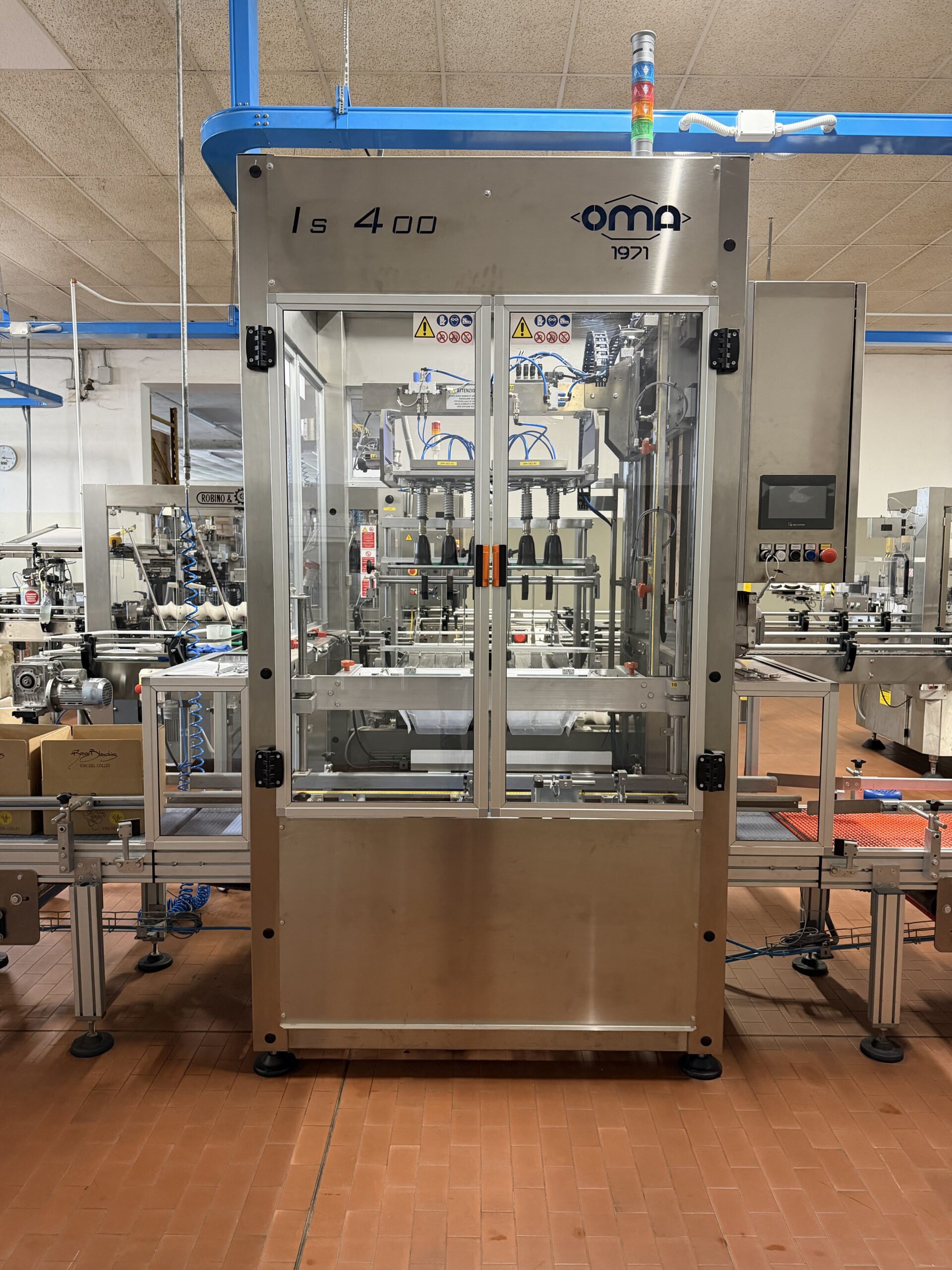
The production line comprises an OMA Babydepal depalletiser, a Bertolaso Titania32 monoblock fitted with a Delta604 corker, a Robino & Galandrino Record 5000 wire-cage applicator, a GAI 5108 bottle washer, a Robino & Galandrino Variant capsuler, a Cavagnino & Gatti labelling machine and a range of OMA machinery dedicated to packaging: AC400HM/40HM carton formers, an IS800 cartoner, a 1T honeycomb insertor, a CSF400 HM carton sealer and a Millenium 3000 palletiser.
The setup is completed by a crown capper for the Metodo Classico. «This line is perfectly suited to our needs», emphasises Palla, whilst describing the processing of various formats and the use of three different types of bottles.
Packaging tailored to requirements
When production requires in-line operation, the process begins at the depalletiser: the bottles are removed from the pallet, washed and fed into the Titania32+Delta604 monoblock, where bottling and capping take place, with a configuration suitable for still and sparkling wines.
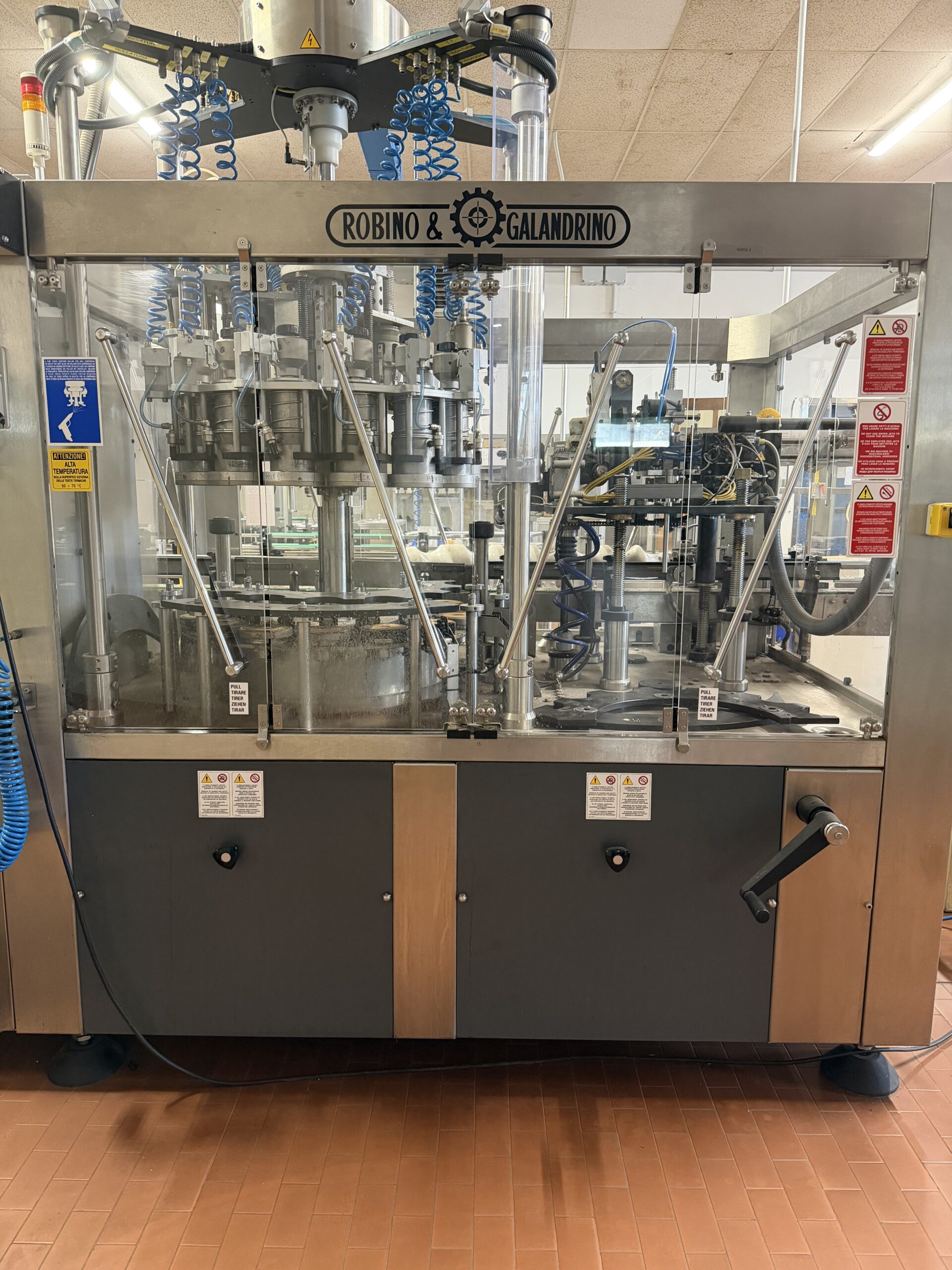
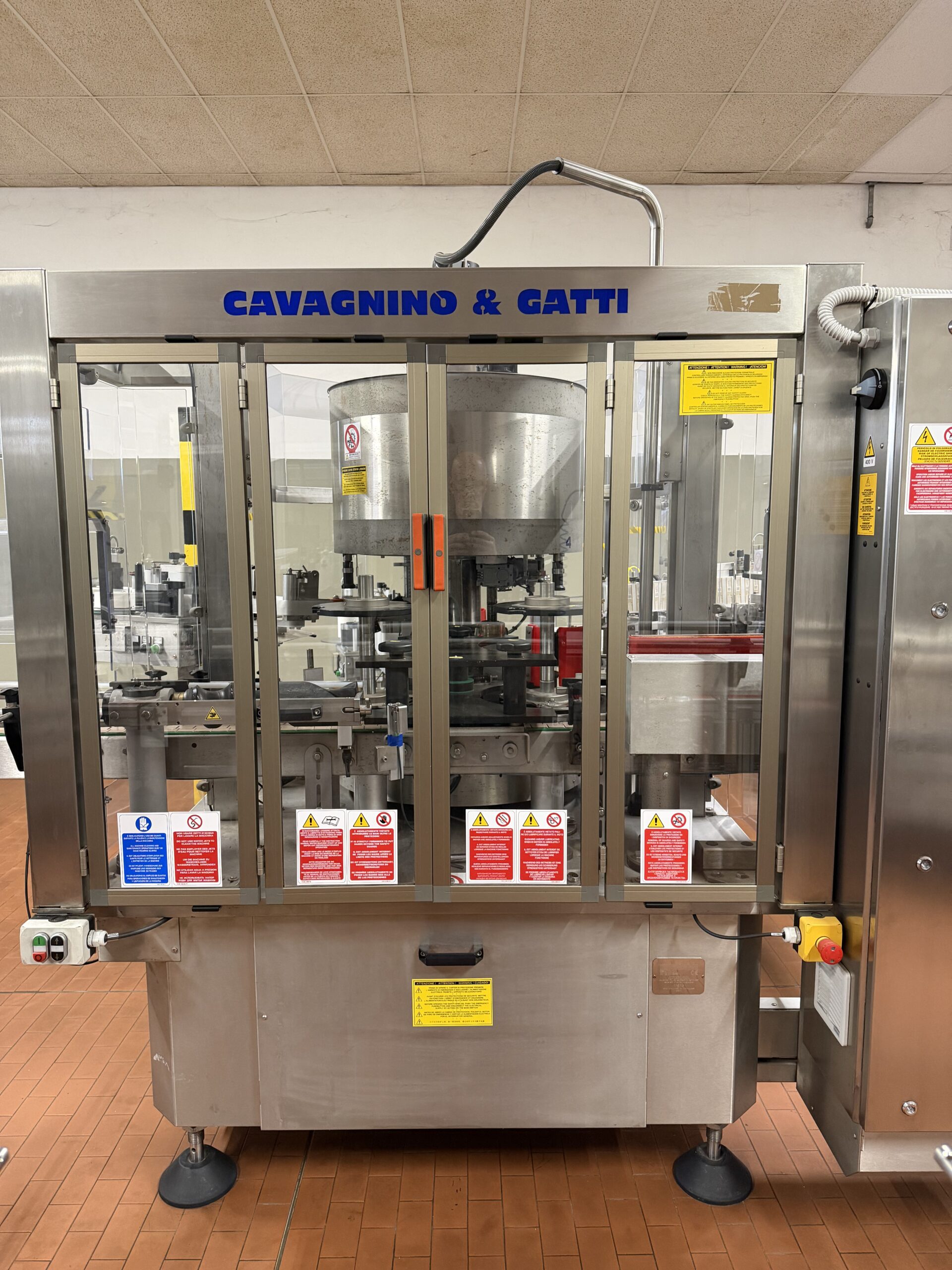
After filling and capping, the bottles move on to the Robino & Galandrino Record 5000 wire-cage applicator, whilst for the Metodo Classico, the crown capper comes into play. The flow continues towards the drying tunnel, which is primarily dedicated to sparkling wines. These are bottled at a low temperature and must be brought back to more favourable conditions before labelling: a step that ensures the bottle’s surface reaches the next stage with the characteristics necessary for the correct application of self-adhesive materials. «When we process sparkling wines on the line, the glass containers need to be warmed slightly to ensure the labelling process goes as smoothly as possible», explains Palla. The organisation also employs a second process: more commonly, after bottling, the bottles are placed in large crates and labelling takes place at a later stage; the product is then retrieved, washed on the outside and dried before moving on to the Cavagnino & Gatti labelling machine, which has four stations for applying front and back labels, neck labels and sleeve labels. Packaging can thus be organised according to the requirements of the various product lines. Once the labels have been applied, the process moves on to secondary packaging: the OMA cartoning machine operates alongside the carton former and the tray inserter, before the cartons are sealed and the units are prepared for handling by the Millenium 3000 palletiser.
Safeguarding the quality of different products
The flagship of the plant – which includes machinery over ten years old, whose operational continuity is routinely ensured by maintenance work – is the Bertolaso monoblock, which remains efficient thanks to regular overhauls. And whilst the recent upgrade focused on the end-of-line section, in line with daily packaging and scheduled bottling, the next phase of development will concern the external and internal washing of bottles. «This will probably be the next machine we replace», confirms the owner, explaining that the company’s current equipment has a lower hourly capacity than the solutions available today. The aim is not to increase speed indiscriminately, but to maintain equipment capable of safeguarding the quality of different products, whether sparkling or still wines. The purchase of a few more wine-making tanks and smaller-sized storage containers is also planned for 2026. «The extensive work we’re carrying out to subdivide our vineyard plots requires increasingly targeted harvests which is driving us to restructure and organise ourselves by acquiring smaller containers. Furthermore, we plan to replace some barrels and purchase new pumps for the grape harvest».
Functional and energy-efficient equipment
These investments follow on from the significant investment made in 2025: around 500.000 euros were allocated to upgrading the electrical system to bring it into line with the business’s needs and, primarily, to a new photovoltaic system designed to enable the winery to achieve energy self-sufficiency by next year. As for the rest, according to Palla, the winery’s strategy is clear: «Our aim is to maintain a high standard of equipment that is both functional in ensuring the quality of our products and, at the same time, energy-efficient. Automation should also make it easier to manage the various bottle sizes, without complicating the work of our employees and staff». No new product lines or significant increases in volumes are planned, as production from the estate’s own vineyards will remain stable; growth will therefore come from the positioning of the range, aimed in particular at the HoReCa sector, keeping pace with trends whilst remaining true to the brand’s identity. «Uniqueness and craftsmanship are essential in our market – concludes Palla –: we must succeed in expressing what others lack and know how to clearly characterise our production for the consumer, creating wines that tell the story of our land’s distinctive qualities. In this sense, bottling is a crucial stage, where production rooted in the local area meets the technology needed to preserve the final product. It is through this authenticity and this way of working that we will be able to continue to showcase the various expressions of our region».