The growing presence of microplastics, pharmaceutical residues, and contaminants is putting pressure on traditional water treatment systems. In this scenario, membrane bioreactors (MBRs) represent one of the most promising solutions for ensuring increasingly higher quality standards while also meeting the most stringent regulatory requirements.
MBR technology combines biological processes and membrane filtration: the latter is characterized by extremely fine pores, capable of retaining bacteria, microorganisms, and particulate matter, including microplastics. Integration with activated carbon also allows for the removal of micropollutants such as pharmaceutical residues, resulting in significantly higher water quality than conventional systems. This is where the innovation developed by Membion, a German company that has designed a new generation of more compact and energy-efficient membrane modules, comes in. These systems enable significant savings in terms of consumption and a significant reduction in footprint, helping to make water treatment more sustainable and cost-effective.
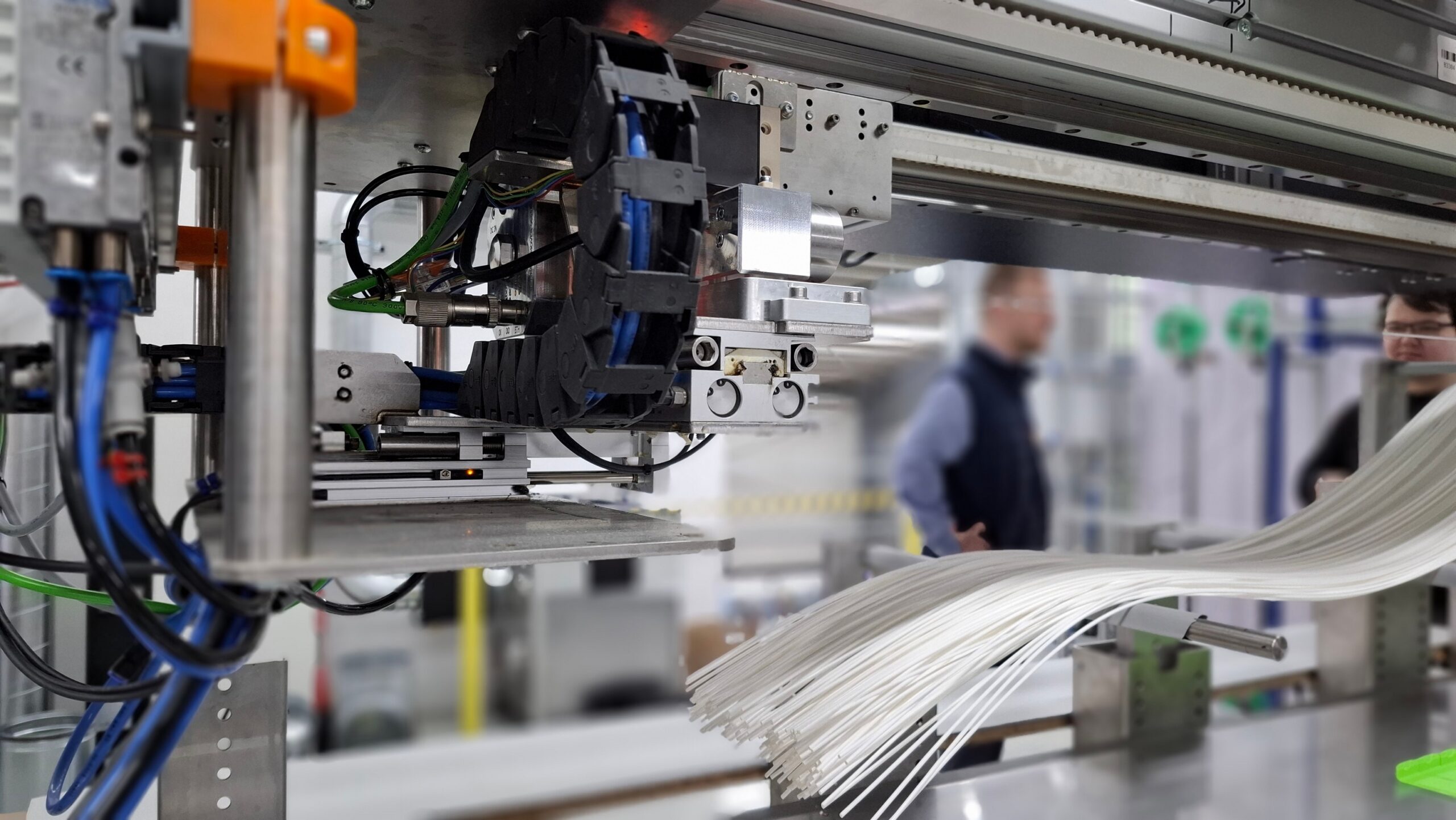
In developing this solution, a less visible but crucial aspect concerns the reliability of the components installed in the membrane production systems. The process is highly automated and takes place in particularly critical conditions: humid environments, limited space, continuous dynamic cycles, and the presence of contaminants. In this context, the proper functioning of the power supply and data transmission systems becomes crucial to ensuring operational continuity and product quality.
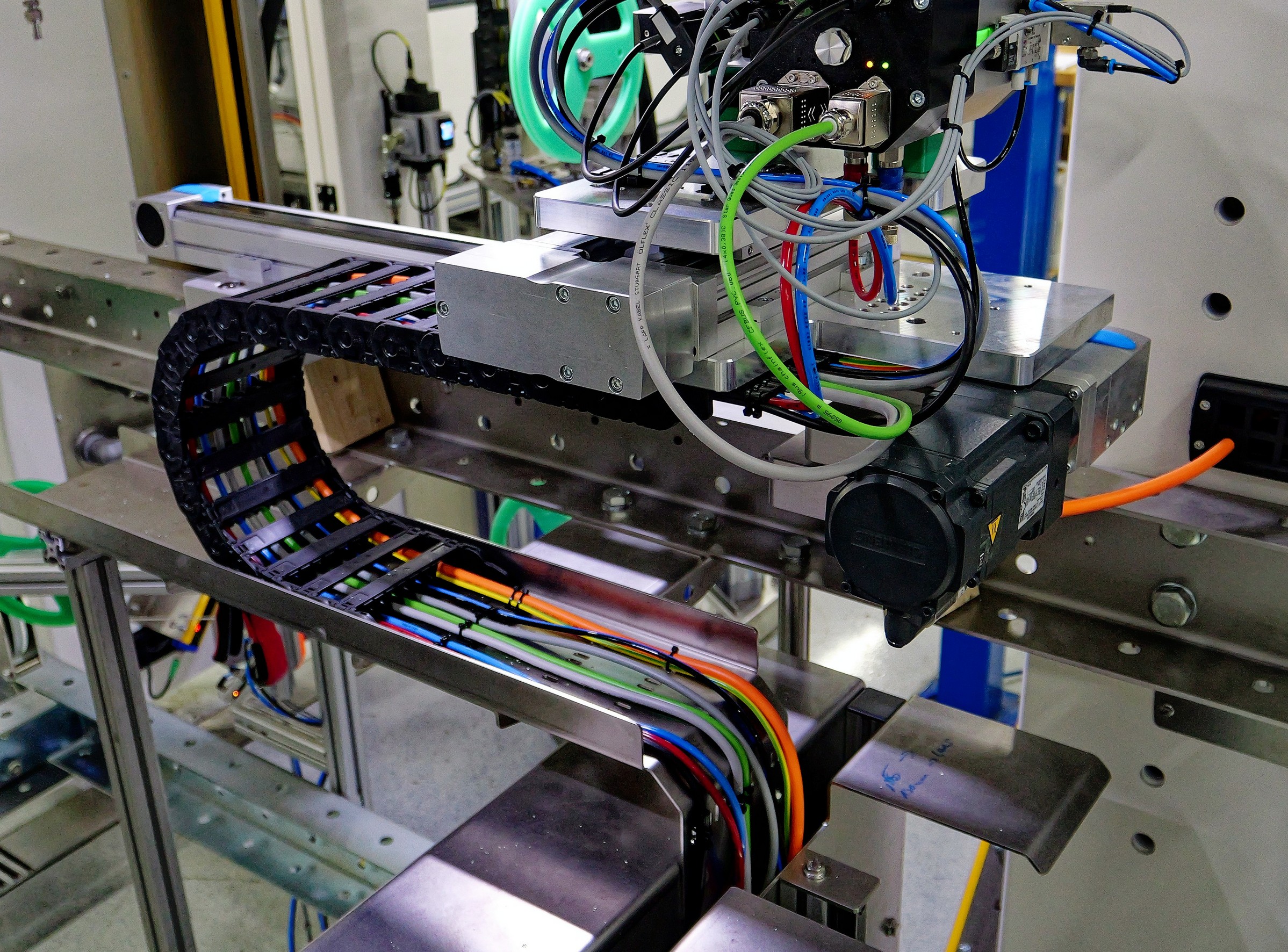
For this application, Membion chose to rely on several igus solutions, including E2 series energy chains combined with highly flexible chainflex cables, specifically designed for dynamic applications. Their small bend radius allows for compact installations even in extremely limited spaces, without compromising durability. Furthermore, the cables’ construction features ensure reliable operation even in high humidity and load variations, ensuring a continuous and safe flow of energy and data throughout the entire production process.
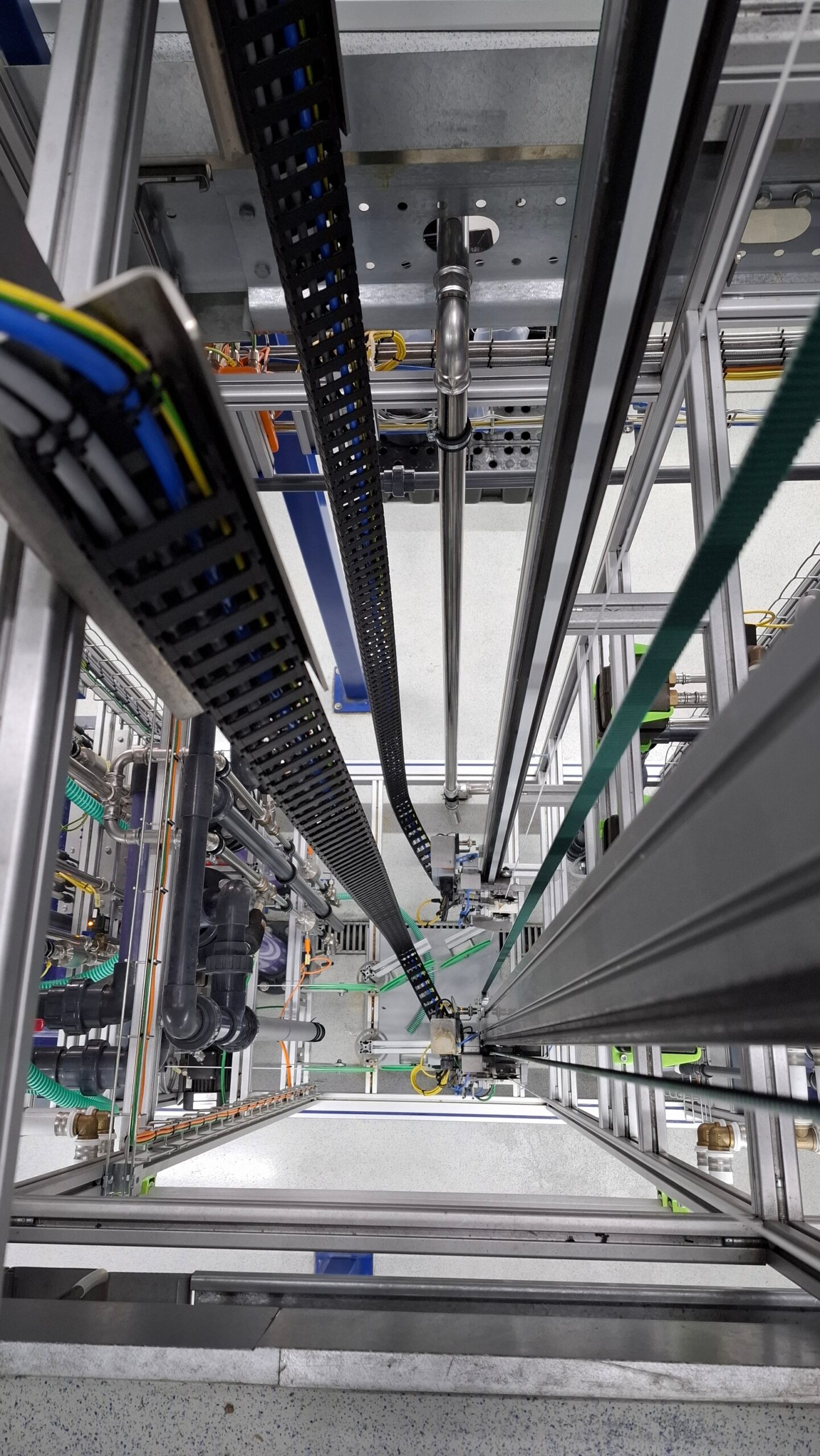
Alongside the power supply systems, sliding components also play a crucial role. In the membrane manufacturing process, Membion uses igus xirodur B180 ball bearings. These high-performance plastic components are designed to operate directly under water, even at high temperatures and in the presence of aggressive media, without the need for lubrication. The bearings, integrated into the membrane transport rollers within the process baths, ensure reliable movement over time and contribute significantly to the system’s operational continuity.
The integration of cables, energy chains, and sliding components thus optimizes the efficiency of the entire production system, reducing maintenance. The design phase was also supported by the digital tools provided by igus, which allowed for rapid and customized configuration of the solutions.
Confirming the innovative value of the project, Membion participated in the competition promoted by igus and won the green vector 2026, which recognizes particularly innovative and sustainable applications characterized by the use of energy chain systems. The award recognizes projects that combine technical efficiency and reduced environmental impact, highlighting how the integration of motion plastics can concretely contribute to the development of greener technologies.
In a rapidly evolving sector like water treatment, the use of components made of high-performance polymer materials is a strategic element for enabling innovation, sustainability, and operational continuity.