It is present in wine, but also in snacks, candies, jams, fruit juices, baked goods, and effervescent medications. Tartaric acid is one of the most widely used additives in the food and pharmaceutical industries. However, alongside the synthetic product used in various industrial and food sectors, natural tartaric acid, derived from winemaking byproducts, represents one of the lesser-known excellences of the winemaking industry and a Made in Italy asset. Italy is the world’s leading producer of this natural ingredient, which, unlike synthetic tartaric acid, is the only one used in winemaking and is listed by the European Pharmacopoeia for pharmaceutical uses.
A concrete example of the circular economy as well as an important product for our country. In 2025, Italy recorded a production of 16,000 tons of natural tartaric acid, mostly destined for export, while in the same period, China exported approximately 51,000 tons of synthetic tartaric acid, over 27% of which was destined for the European market. This context highlights the growing need to strengthen the competitiveness and valorization of the Italian supply chain.
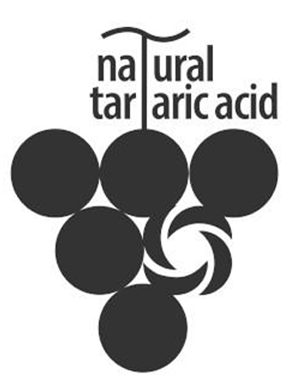
Protecting the product’s specificity and making its value increasingly recognizable on the market are the objectives pursued by the Natural Tartaric Acid Section of AssoDistil, which recently registered the European collective trademark “Natural Tartaric Acid,” with the aim of exclusively identifying tartaric acid obtained from winemaking byproducts. The trademark is licensed to member companies that request it and can be used exclusively on certified products, which undergo a system of controls that includes SGS certification and specific analyses, including Carbon-14 testing, to guarantee the natural origin of the raw material and product quality.
Registration of the trademark represents the first step in a broader process.
The Natural Tartaric Acid Section is working to promote greater recognition of the naturalness of this ingredient throughout the entire supply chain, with the goal of eventually making its use distinguishable on product labels as well. This development would contribute to promoting a production closely linked to Italian winemaking and to offering consumers even clearer and more transparent information on the origin of the ingredients.
“Registering the trademark represents a starting point. Now the challenge is to build a culture of recognizability for natural tartaric acid, involving the entire supply chain and working to ensure that the value of a product obtained from winemaking byproducts is increasingly evident on the market“, says Andrea Grilli, president of the Natural Tartaric Acid Section of AssoDistil.