Renovis, an EPC contractor of the SBS Group specialising in energy efficiency solutions primarily for industry, has implemented a heat recovery project that enables a food industry plant to reduce its natural gas consumption by 245,000 Sm³ per year, avoiding 500 tonnes of CO₂ and generating cost
savings of approximately €84,000 per year. In addition to these benefits, there are 2,020 TOE/year associated with White Certificates. The project, based on the recovery of heat lost from combustion fumes, demonstrates how energy efficiency is becoming a competitive lever for companies that operate with heat-intensive processes.
Renovis is an Italian company specialising in industrial heat recovery and the design of systems that enable consumption to be reduced without changing production processes. Its solutions capture the energy contained in the flue gases of steam generators, heat exchangers and thermal cycles, transforming it into useful heat to power plants, preheat fluids or support district heating networks. The goal is simple: to reduce waste and improve the efficiency of thermal power plants, which account for one of the largest items in industrial energy bills and are one of the main sources of emissions.
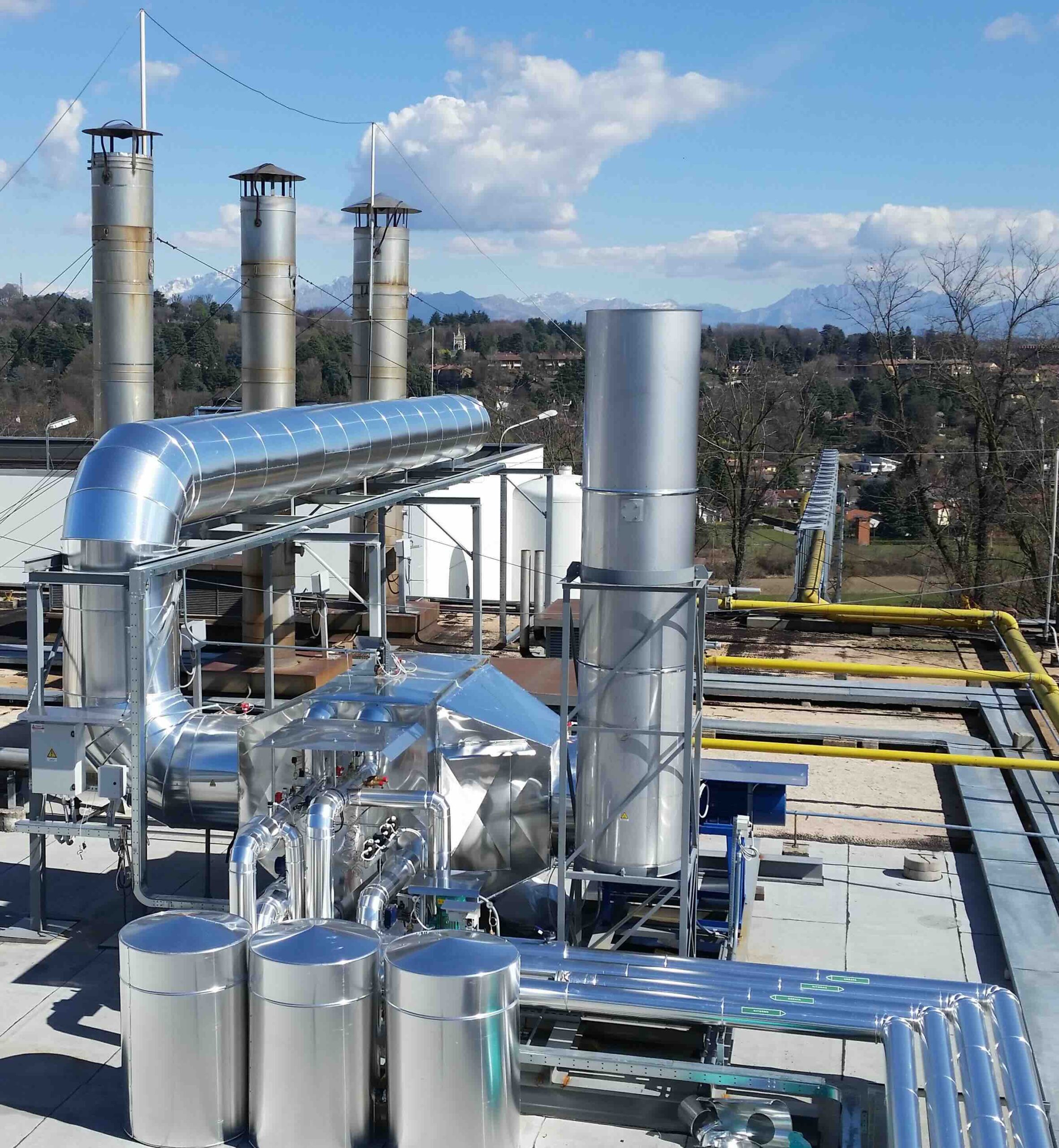
In the case of the project carried out in the food sector, before the intervention, a significant proportion of the energy contained in the flue gases from the steam generators was released into the atmosphere. Renovis developed an integrated system on two levels: economisers on the boilers used during the production season and recovery of residual heat from the boiler that operates all year round, used to raise the temperature of the make-up water from 18°C to 55–65°C. The intervention was designed not to interfere with production continuity, an essential requirement in a sector characterised by seasonal cycles and sensitive processes.
The industrial context makes this case particularly significant. According to ENEA, in the food and beverage industry, energy-intensive thermal processes such as pasteurisation, sterilisation, drying and cooking account for between 20% and 50% of the sector’s consumption1. In a sector characterised by such a high thermal energy requirement, improving the efficiency of thermal power plants and recovering heat that would otherwise be lost therefore represents a tangible lever for reducing consumption, costs and emissions.
The project is a concrete example of how the recovery of waste heat can generate immediate savings, reduce emissions and improve industrial competitiveness. For a sector such as the food industry – which, according to CREA, generates 10 per cent of added value and accounts for 12 per cent of employment across the entire national manufacturing sector2 – initiatives of this kind are no longer merely optimisations but a concrete industrial strategy.