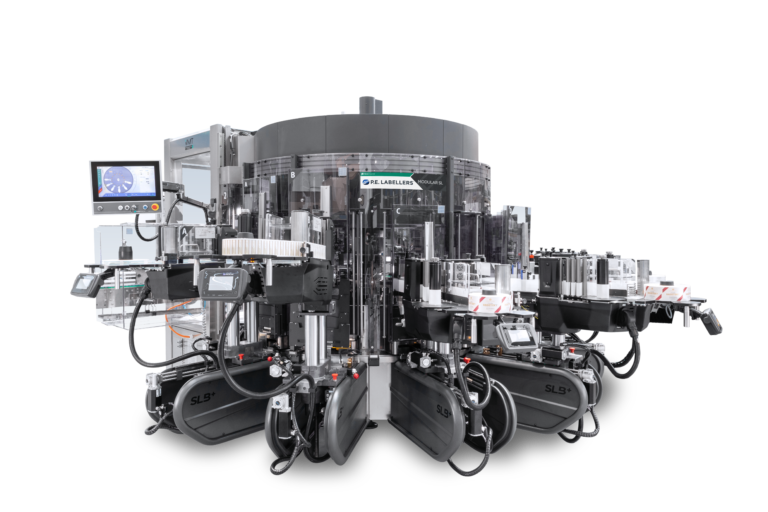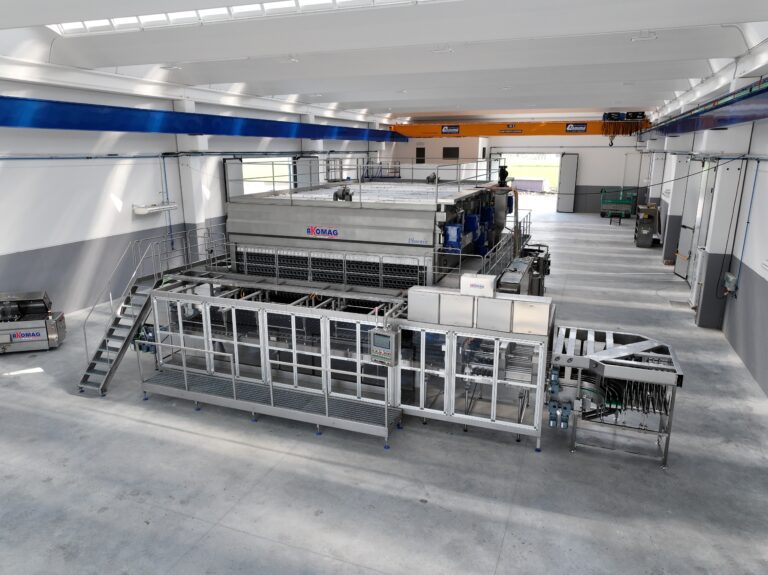
A used machine is not necessarily a machine that has lost all value. Often, dismantling it, cleaning it and upgrading certain components can be enough to restore it to a state of functionality suitable for new requirements.
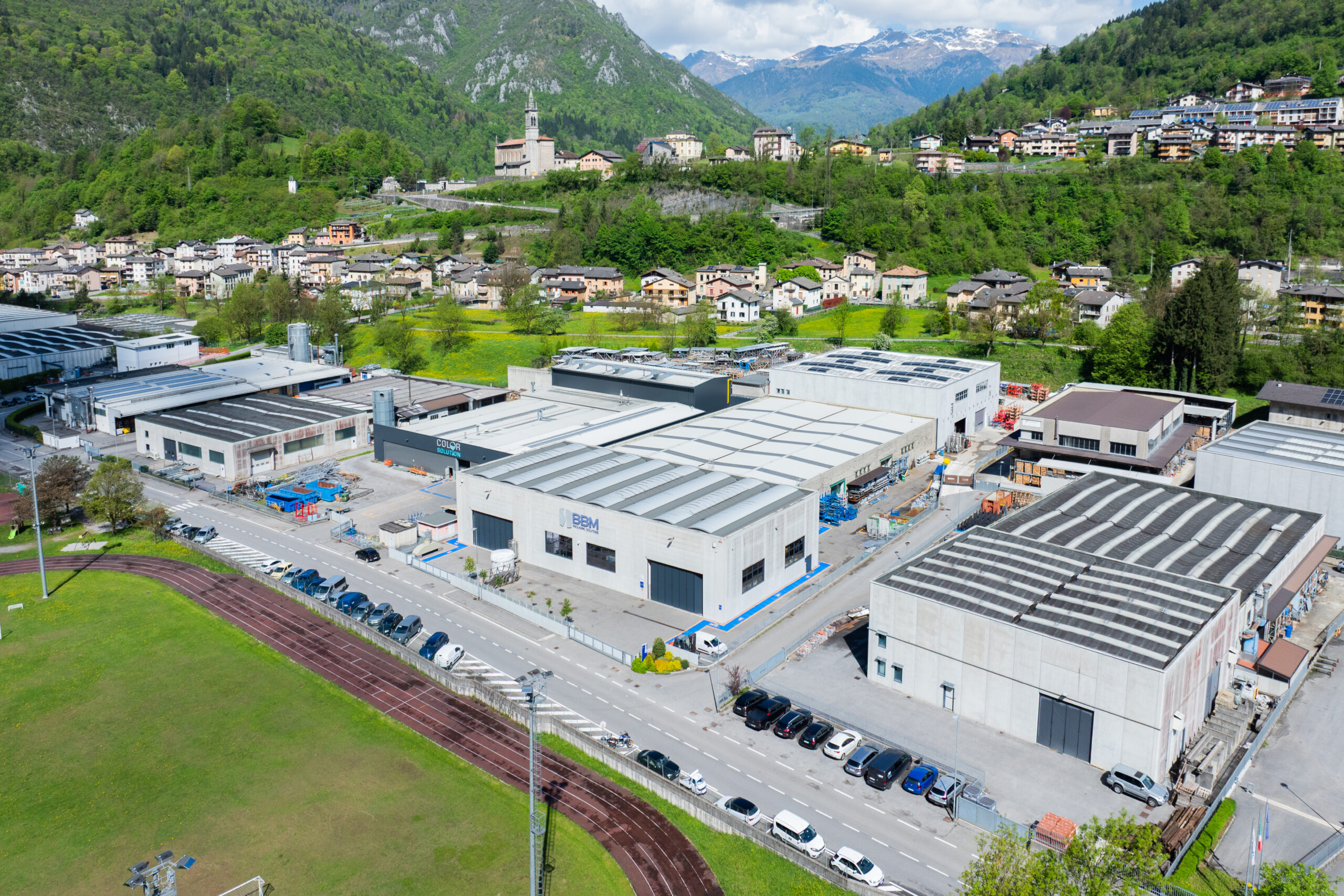
At other times, however, more extensive work is required. The experience of BBM Packaging, which has built a significant part of its business around refurbishment, shows just how much greater the potential for recovering industrial assets can be than one might think: machines considered to have reached the end of their life cycle in one factory may retain technical characteristics that allow them to return to production, even in different contexts and with different functions.
Between ‘used’ and ‘refurbished’ lies a sequence of activities comprising asset selection, dismantling, transport, engineering, overhaul, any necessary upgrades, testing and reinstallation. It is upon this supply chain that BBM has progressively built its operational model.
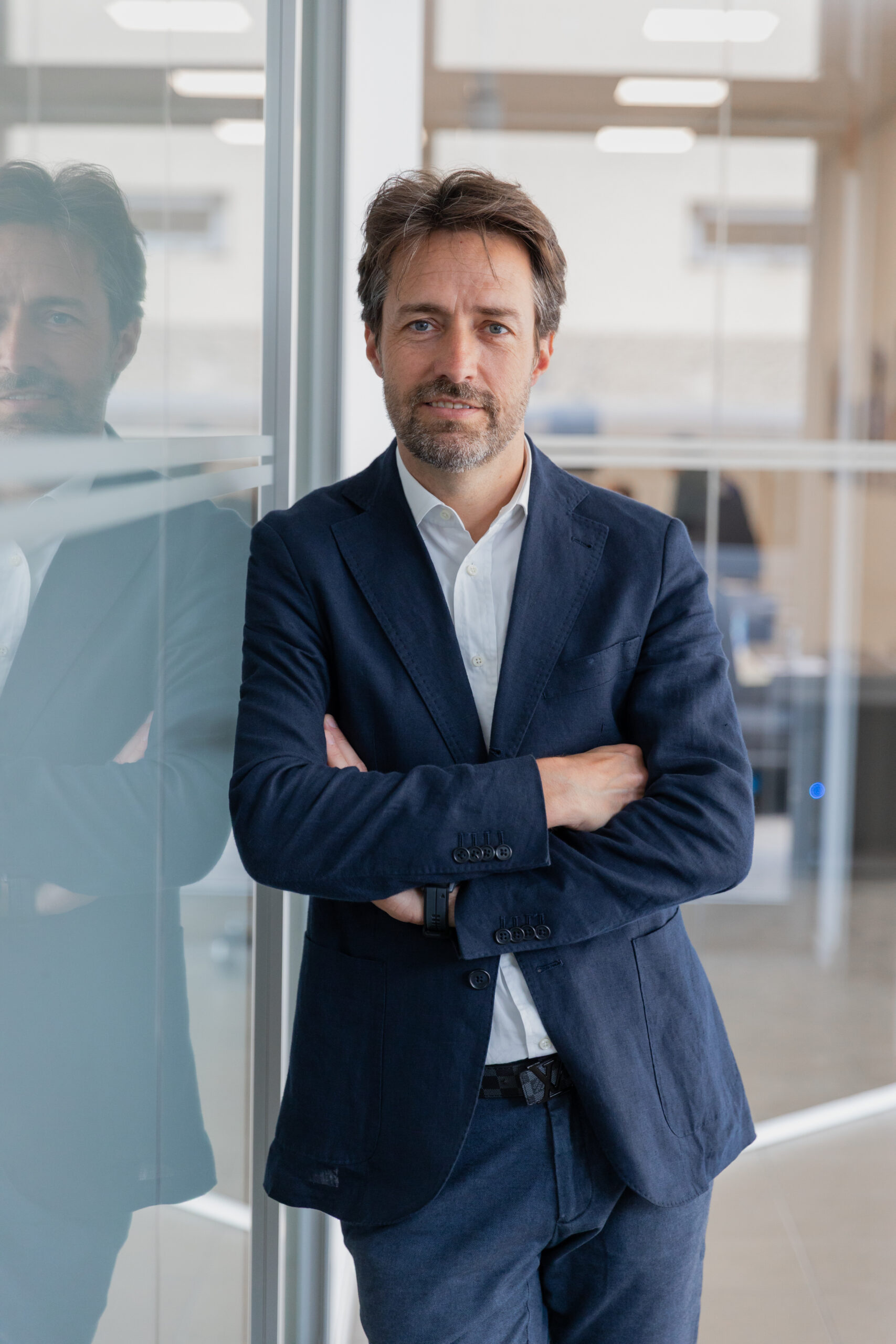
Founded in 2005 with a strong focus on servicing bottling lines, the company began developing its machinery collection and reconditioning business in 2008. Today, it has around 200 machines at its disposal, a portfolio that enables it to supply individual units and deliver projects involving complete reconditioned production lines.
But how is a reconditioned machine created and how does it get back into production? «When a customer needs a project or a single machine, we start by looking at their production requirements and specifications. We then look for the most suitable machine from those we have available – the one that best meets their needs», explains Alex Offredi, BBM’s sales manager. The starting point, therefore, is not simply to sell what is available, but to match the machine fleet with the requirements of the new application: product, container, formats, production capacity and line configuration.
Reconditioning begins with dismantling
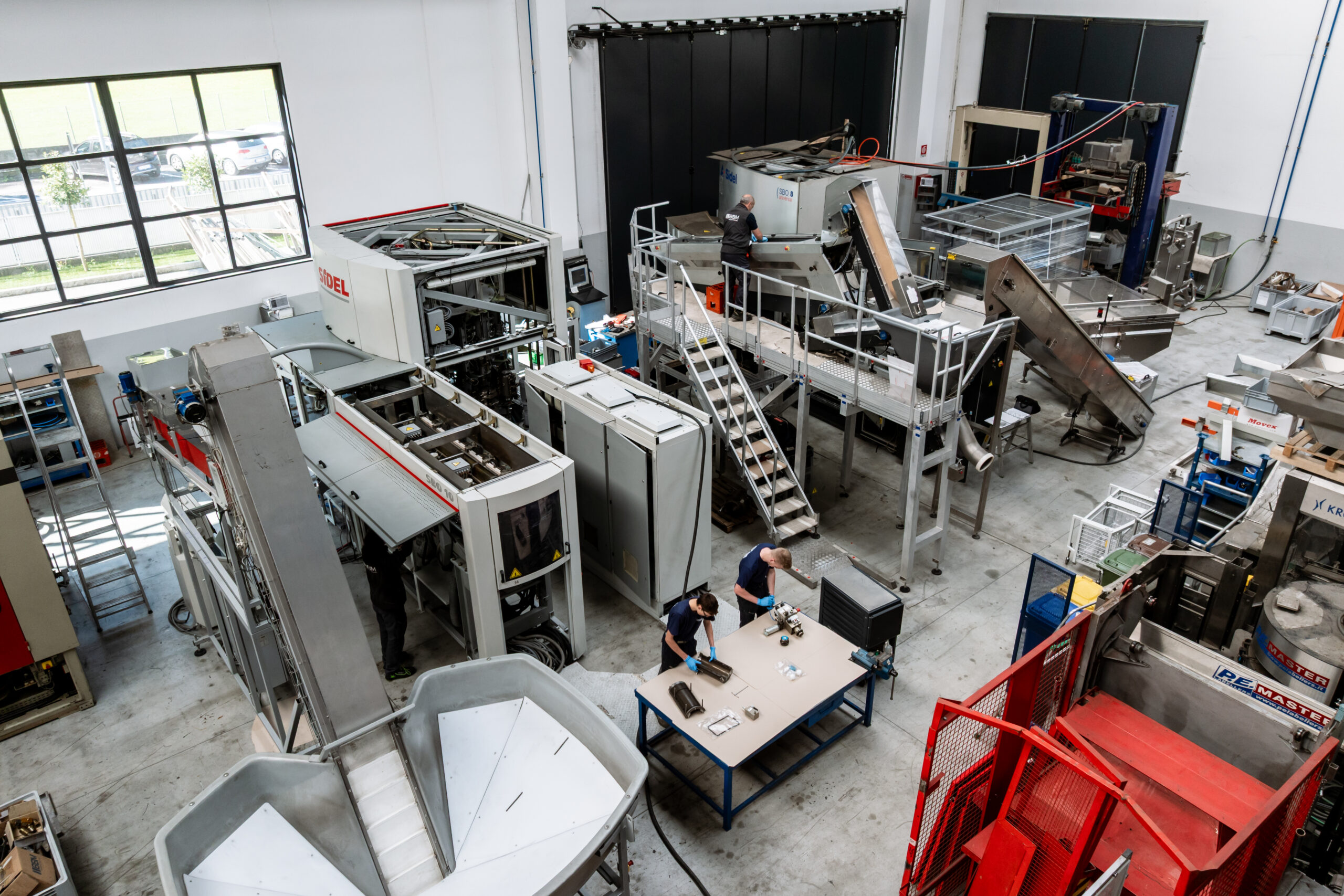
Preserving the machine’s value begins before it even reaches BBM. For the majority of assets purchased, the company manages the dismantling process directly using its own technicians. The reason is technical: cut cables, incorrectly identified components or parts damaged during dismantling can lead to problems during subsequent reinstallation. «We prefer to dismantle the machines ourselves because, if cables are cut or parts are damaged during dismantling, preparing the machine for reuse later on becomes much more complicated», explains Offredi. Once transferred, the asset becomes part of the company’s available stock and may remain in storage until a new destination is identified.
The main point of access to this fleet is BBM’s website, which serves as an up-to-date showcase of available solutions: each asset is presented with technical specifications, photographs and, where possible, videos filmed whilst it is still in operation. «For new customers, the website is the first channel through which to check what the company already has available and identify a machine that may be suitable for their needs», says Offredi. This marks the start of the technical consultation with BBM, which is necessary to verify the asset’s actual compatibility with the new application and to define the refurbishment work required. Finally, once the order is placed, preparations begin for the new application. BBM’s technical department defines the layout and the work to be carried out; the machine is overhauled and, where necessary, repainted, adapted to the new formats and updated. The mechanical and electrical documentation is also supplied with the equipment. The physical availability of the assets has a direct impact on lead times. According to Offredi, for many projects, BBM is able to prepare the machine or production line in around four to five months. This can be a decisive factor when the alternative is to wait for a new plant to be built.
Testing prior to delivery
A key step is testing the machine at BBM before it is shipped to the destination plant. «We test them just as the parent company would – says Offredi -. We prefer to test them in-house before delivery because any problems that arise during testing are easier to rectify here. The customer can come and see their machine ready to go, and once it has been accepted, we proceed with the installation». This is what sets reconditioning apart from the simple buying and selling of second-hand equipment. A machine purchased on the secondary market carries a technical risk; in the process described by BBM, however, functionality and configuration are verified before delivery. «Refurbishment, however, does not mean completely transforming a twenty-year-old machine into a new model. The original architecture remains a constraint, and one of the most delicate aspects lies precisely in deciding which modifications are technically and economically justified», Offredi is keen to emphasise.
With regard to safety, for example, new-generation devices and safety features can be fitted. In other cases, the work involves components subject to obsolescence, such as electrical parts or control systems. «If a machine was originally built with a specific configuration, we don’t overhaul it. We can, however, make changes to the electronics and safety systems, introducing more modern solutions where necessary».
Efficiency: a comparison with new machinery
The limitation is particularly evident in the area of energy efficiency. A new machine may feature technologies better able to reduce energy consumption compared to a machine from a previous generation.
Extending a machine’s service life avoids the immediate replacement of an asset that is still usable and can raise its efficiency to higher levels, but it does not always fully eliminate the energy efficiency gap compared to a new-generation machine.
BBM also intervenes, in fact, through upgrades applicable to both reconditioned machines and assets already installed at the customer’s site. In the case of PET blow moulding machines, Offredi cites modifications to the preform heating systems and the recovery of blow air, which can be reused at a lower pressure rather than being completely wasted.
However, the comparison between new and reconditioned machinery must not be reduced to energy considerations alone. Initial cost, usage intensity, delivery times and the investment horizon all come into play.
A thesis project developed in collaboration with the University of Bergamo analysed precisely this trade-off using a Total Value of Ownership model applied to a PET blow moulding machine. The study found that, in the long term, greater energy efficiency and lower failure and scrap rates may favour the new machine. Over a medium-term horizon, however, refurbished machinery also becomes a strategic option, particularly for users with a short-term outlook who are keen to reduce the initial risk and accelerate the return on investment. This point is also highlighted by Offredi: «In the long term, it may make sense to opt for new machinery, but in the short term, refurbished machinery is a valid alternative».
Cost-effectiveness, therefore, also depends on the production profile. Operating hours, fuel consumption, required availability, the risk of downtime and initial capital must all be assessed together. Refurbished machinery is not intended as a universal substitute for new machinery, but as one of the possible solutions to a specific industrial scenario.
Sustainability across the board
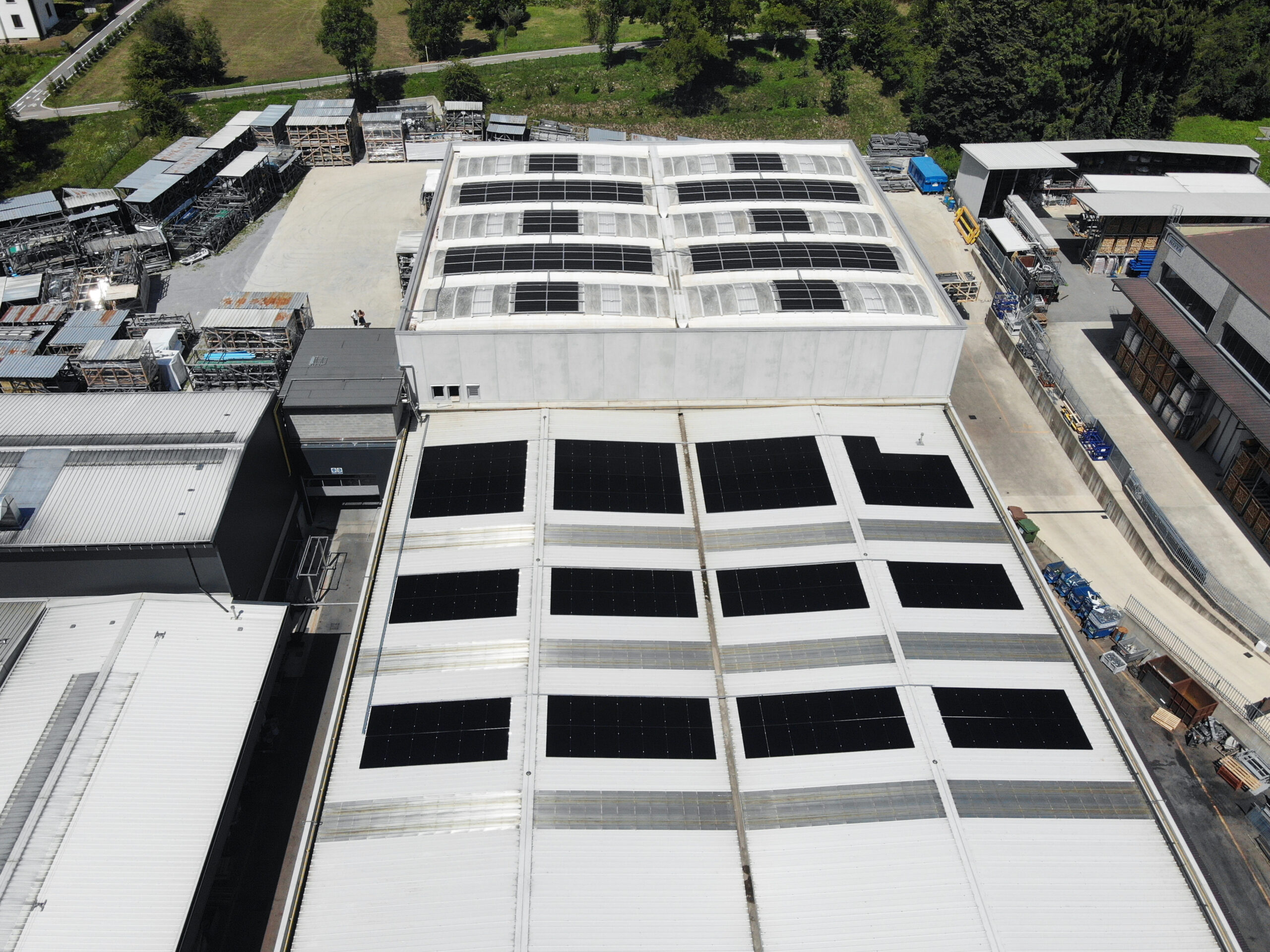
BBM does not merely limit itself to reducing its environmental impact through the recovery and refurbishment of used machinery, but makes concrete investments in sustainability. Examples of this include the two photovoltaic systems installed at the Lenna site: the first, with a capacity of 80 kW, which came into operation in 2024, and the second, with a capacity of 100 kW, which is scheduled to be commissioned by the end of 2026.
For the portion of energy still drawn from the grid, the company has also chosen to source it exclusively from 100% Green-certified sources.
BBM’s commitment also extends to ESG matters. Since 2023, the company has published its Sustainability Report annually, a tool that provides transparency on its objectives, results and actions undertaken in the environmental, social and governance fields. This approach has been further recognised by the EcoVadis assessment, which attests to BBM’s focus and progress in the area of sustainability.