The shelf life of lipid-rich food products is primarily limited by rancidity. To counteract this deterioration, the food industry typically employs conventional additives, which are permitted for use only at restricted dosage levels.
Consumer demand for “clean label” products is driving the search for naturally derived substances that can simultaneously serve as preservatives while offering health benefits and maintaining desirable organoleptic properties.
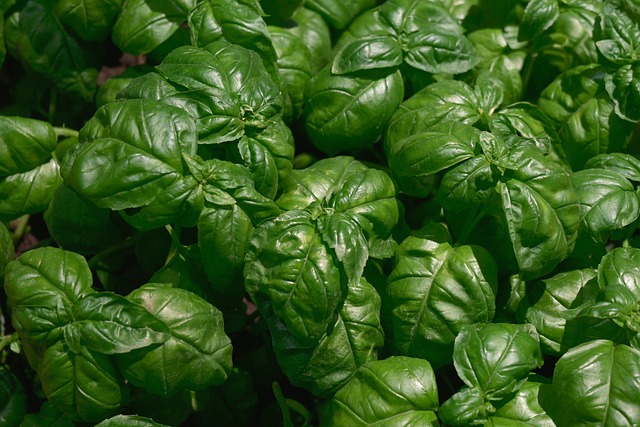
In a study by A. Bonucci et al. (National Conference on Food Science and Technology, Bologna, June 9–10, 2025, p. 70), researchers tested the efficacy of a phenolic extract—obtained through the fractionation and concentration of olive mill wastewater (a polluting byproduct of olive oil production)—in preserving and enhancing the quality parameters of basil pesto over a 120-day shelf life.
The study evaluated changes in the phenolic profile, tocopherol content, volatile compounds, antioxidant capacity, acidity, and peroxide value across three groups: a control sample (containing 0.06 g/kg of ascorbic acid and 1 g/kg of sorbic acid) and two experimental samples (containing the phenolic extract at concentrations of 250 mg/kg and 500 mg/kg, respectively).