The study by Gonzalez Viejo and colleagues investigates how an environment that simulates space conditions affects the perception of beer and demonstrates how artificial intelligence can support the development of beverages for astronauts.
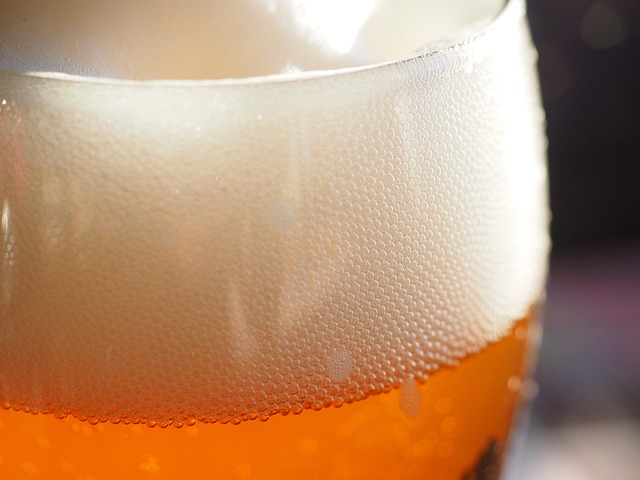
The researchers produced several Pale Ales flavoured with coriander and basil, which were subjected to different treatments and evaluated in two immersive environments that recreated an Earth-based pub and a space station respectively. In addition to consumer ratings, contactless biometric parameters were collected and the aroma profiles were analysed using a low-cost electronic nose.
The results show that the simulated microgravity environment alters the sensory perception of beer. In particular, the samples tasted in the space scenario were found to have greater overall acceptability and a more pronounced differentiation of sensory and emotional responses than those evaluated in the terrestrial environment. The study also highlights how the tasting environment, posture and auditory stimuli help to influence the way aromas and flavours are perceived. Another innovative element is the use of artificial intelligence. Data acquired from the electronic nose was used to develop machine learning models capable of identifying the treatments applied to the samples with 95% accuracy and predicting consumer acceptance with a correlation of 0.98. According to the authors, this approach could accelerate the development of food and beverages for future space missions, while also finding application in extreme environments on Earth, where environmental conditions influence sensory perception.
Bibliographic references: Gonzalez Viejo C., Villarreal-Lara R., Mayorga-Martinez A.A., Harris N., Fuentes S. Brewing for beyond earth: Assessing how simulated space environment alters beer perception, with AI-driven sensory prediction from E-nose data. Future Foods, 13 (2026), 101009 https://doi.org/10.1016/j.fufo.2026.101009