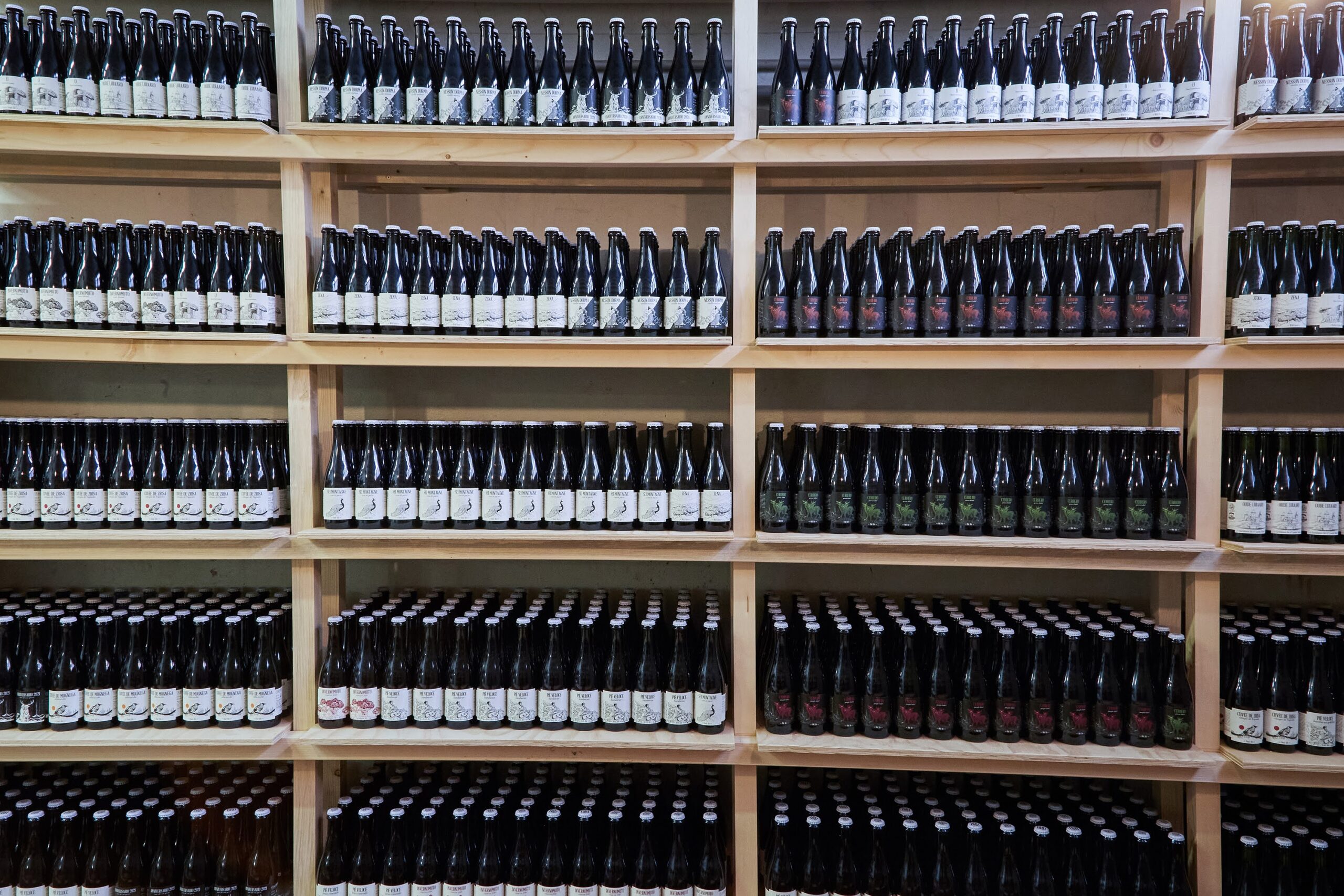
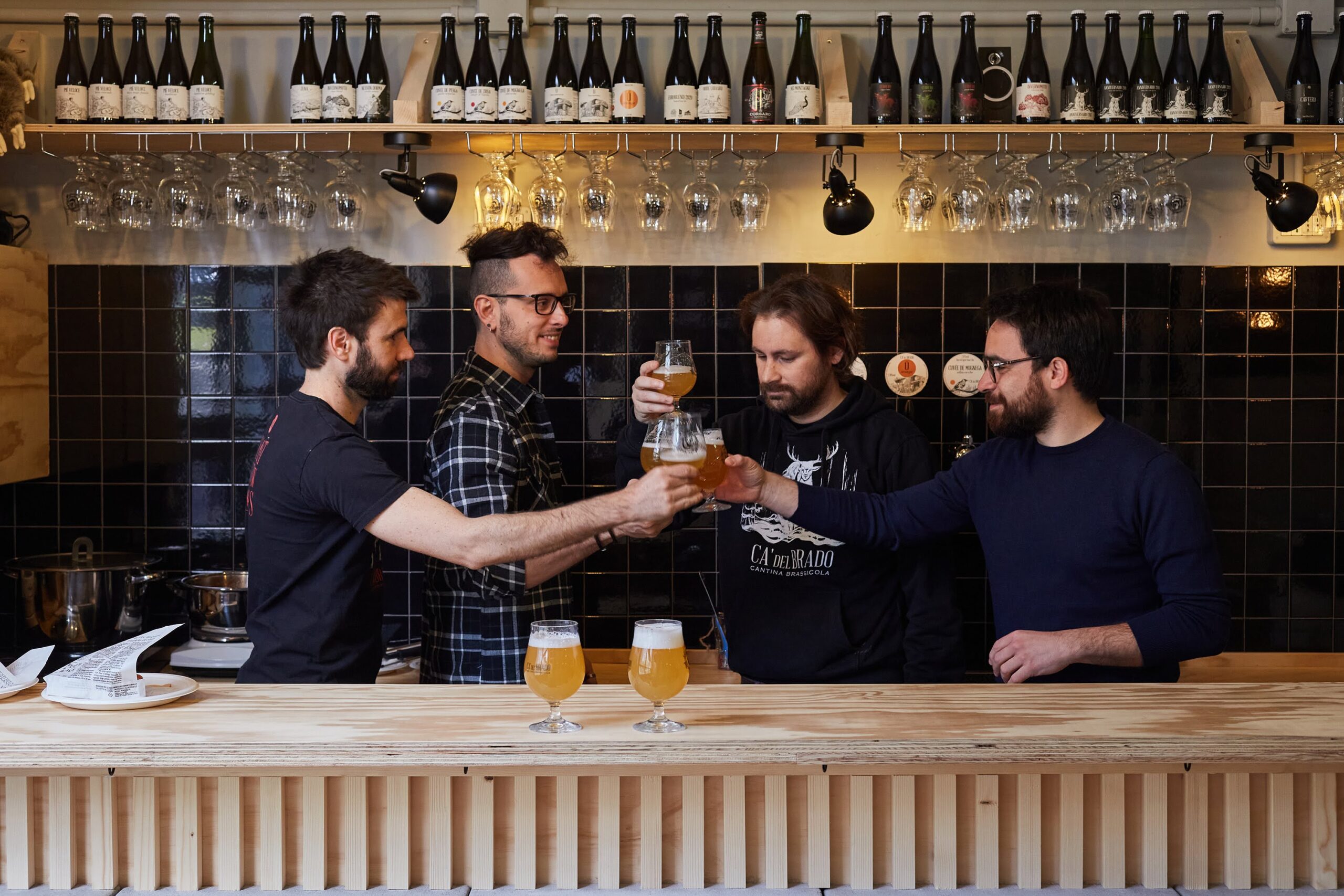
Rastignano is home to one of the most distinctive breweries on the Italian sour beer scene. Ca’ del Brado was born out of the experience of BrewLab, an association founded in 2009 by four homebrewers: Mario “Quark” Di Bacco, Luca Sartorelli, Andrea Marzocchi and Matteo d’Ulisse. United by their interest in unconventional fermentation, the partners opened the brewery in 2016. “There was room to interpret these types of beers in a contemporary way. We chose to focus on a specific niche “, explains Luca Sartorelli. Riccardo Amato and Giandomenico Emma later joined the project, helping to spread the craft beer culture and sour beers. Initially, they relied on third parties to produce unfermented wort based on the members’ recipes. In a second phase, the first plant owned by the company was installed, marking the decisive step in the company’s growth path. Since 2021, the entire production process has been managed in-house.
The workshop
The brewhouse, built by Enobeer, adopts a two-vessel configuration. This solution prioritises process control and operational flexibility, features that are well suited to craft production. The first tun performs a dual function: mashing and boiling take place in the same vessel. The integrated whirlpool enables the separation of the trub at the end of the brew. The rotation of the wort concentrates the solids in a central cone, facilitating their removal before the coolin
g phase. The second vessel is the filter tun, which is used to separate the wort from the spent grains. To improve the clarity of the product, it is equipped with a filter bed and a recirculation system. The presence of only one heated tun excludes the execution of double boils. This choice reflects the brewery’s production philosophy: it prioritises longer maturation times over increasing volumes. The theoretical production capacity of the plant is close to 3,000 hectolitres per year. “The plant is oversized for our needs. We prefer to limit the quantities,” comments the head brewer. Production remains limited: about 35 brews per year, with batches between 16 and 18 hectolitres, in line with the maximum capacity of the brewhouse. There is no shortage of room for growth. In 2025, production reached 500 hectolitres of conditioned beer, thanks to the introduction of new products – sour and otherwise – and the expansion of formats, including cans. The brewhouse is thus part of a production scheme that remains, first and foremost, a brewery.
A vocation for wine
Calling it just a brewery doesn’t do it justice. Ca’ del Brado is a workshop similar to a wine cellar. Acquired from a Tuscan supplier, it houses two 30-hectolitre wooden barrels and more than forty 5-hectolitre tonneaux. The wort is fermented and aged in different types of containers: “80% of our beers mature in wooden vats, mostly ex-wine barrels that have been reused several times. The remaining 20% is transferred to cylindro-conical fermenters: one of 20 hectolitres and two of 30 hectolitres.” The 2.5 hl barriques are added to the battery. “Ageing in wood helps to increase the aromatic complexity and soften the sharp notes.” The stainless steel fermenters, on the other hand, are used “when we want to preserve freshness and aroma“. For the more structured and high-alcohol beers, “we use former brandy barrels from the Villa Zarri company in Castel Maggiore, and containers previously used for Nocino di Modena“.
Maturation: the value of time
Not a passive wait but the transformation phase. Luca also confirms this: “You have to be patient: winter before spring. A kind of “productive hibernation”. But the work done upstream is just as important.” The most complex beers require maturation periods that can be close to a year; for the other types, it’s about two months. Sour beers remain the core of production, complemented by Belgian styles. In 2025, the brewery packaged around 20,000 37.5 cl bottles and 40,000 33 cl cans. A 25% increase in cans is expected for 2026 . Growth is gradual: we are not rushing, but we are not standing still. For Ca’ del Brado, time is the raw material.
Bottles, cans and kegs
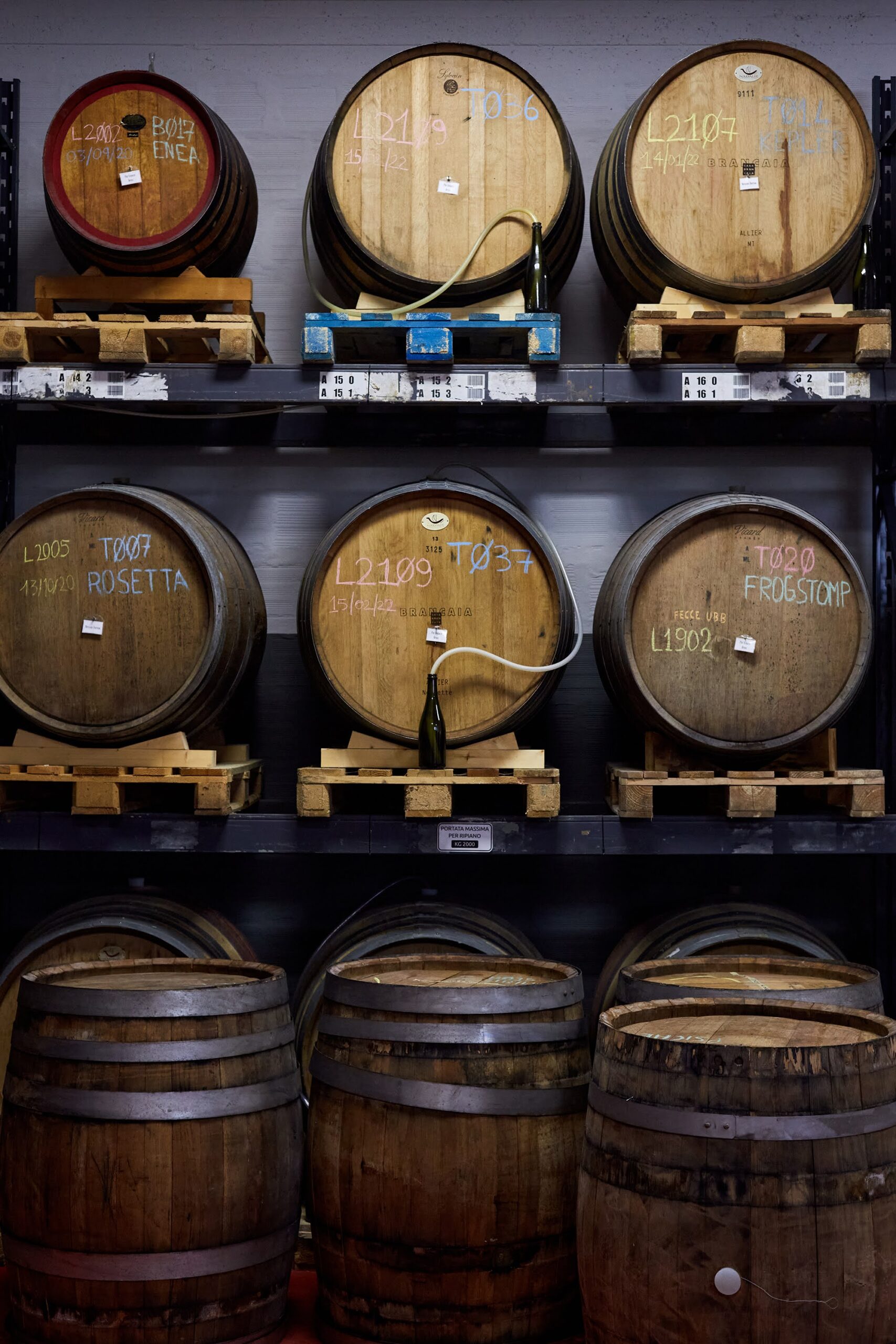
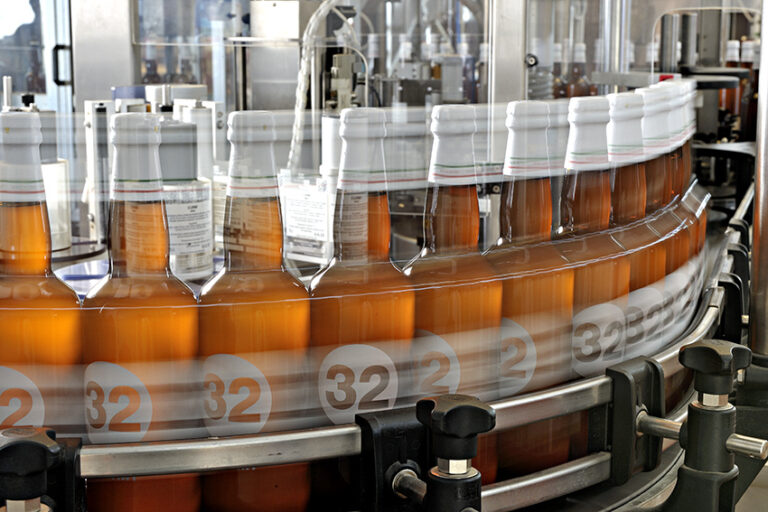
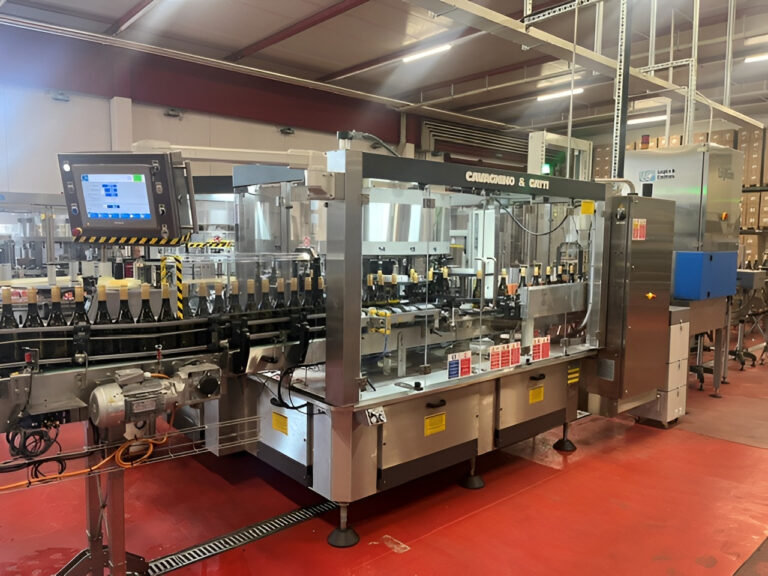
Packaging takes place exclusively after bottle or keg refermentation. “For bottling, we use a nine-head Covolan monoblock unit. Simultaneous filling ensures a gentle, controlled flow, which is ideal for products that undergo refermentation in glass.” The bottling machine helps minimize oxygen ingress during packaging — “a critical factor for the stability of sour beers.” Sartorelli adds: “For canning, we opted for an EMMA three-head linear canning machine.” The system integrates filling and seaming into a single unit. Production capacity stands at approximately 1,000 37.5 cl bottles per hour and 1,200 33 cl cans per hour. For draft distribution, the brewery uses 16- and 20-liter Polykegs. There are also special releases: “We also bottle 1.5-liter formats, though in limited quantities“.
What is essential is invisible to the eye
Ca’ del Brado works in the service of microbiology, embracing the dynamics of fermentation. “They say it isn’t the brewer who makes the beer, but the yeast,” observes Luca. “Each strain has its own fermentation kinetics, with different timings and methods for metabolizing sugars.” Managing inoculations and fermentations therefore becomes a crucial step. “We use an indigenous yeast and, when necessary, supplement it with selected strains depending on the desired outcome. Yeast propagation is handled by an external laboratory; for Brettanomyces, we use a custom-built propagator.” The brewery aims for a balance between different species, including Brettanomyces. This gave rise to the Brett Beer line. Mixed cultures — comprising both yeasts and bacteria — are harvested directly from the barrels and reused as starters, much like a sourdough starter in bread making.
Acidity as a signature
Every cellar fosters the development of an indigenous microbial flora. Environments where spontaneous fermentation takes place offer a particularly effective setting for studying new microorganisms. In collaboration with the University of Modena and Reggio Emilia, they mapped their own microbial population. “Thanks to this research, we discovered our B.U.N.N.Y. — Bologna Unknown Native Naughty Yeast — our very own house yeast!” Around forty yeast strains and eight bacterial strains were isolated — “used in the fermentation and aging processes,” explains Sartorelli. Among these, Brettanomyces play a key role: “They metabolize residual sugars left unfermented by the primary yeasts and remain active for months, especially during wood aging. The result is highly attenuated beers with low sugar content and greater aromatic complexity.” Lactic acid bacteria, on the other hand, convert sugars into lactic acid, resulting in acidification: “The drop in pH contributes to a softer mouthfeel and pronounced roundness.“
Three annual ranges
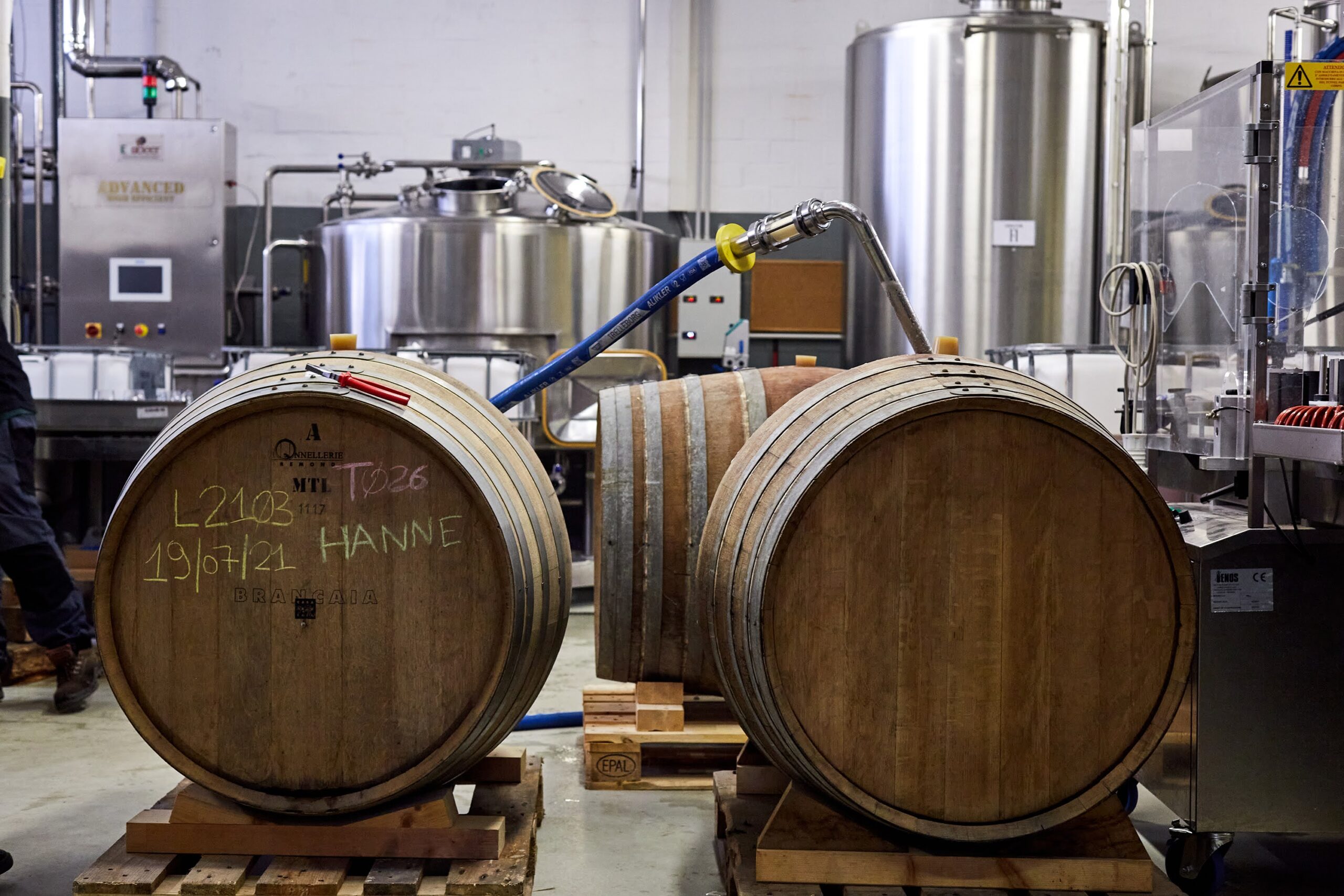
The sour beer line forms the backbone of the operation, comprising around ten bottled varieties—sometimes reaching up to fifteen labels in certain years. 2024 saw the debut of “The Wildest Can“: mixed-fermentation wild beers produced in open vats. “These are low-ABV beers with gentle acidity and high drinkability, specifically designed for the can format. Primary fermentation uses our house yeast, followed by a 5-to-7-month maturation and conditioning phase in the cellar.” A third product range is dedicated to the Taproom, featuring four or five Belgian-inspired beers, also packaged in cans. The goal is to double production volumes by the end of 2026. Current canned production stands at 40,000 units, equivalent to approximately 130 hectoliters.