Black garlic is a processed product obtained by heat-treating fresh bulbs (Allium sativum L.) at high temperatures and high humidity for several days, resulting in sweet-tasting cloves rich in bioactive compounds. Adding this ingredient to baked goods to improve antioxidant content and shelf life is a highly beneficial method that does not compromise sensory quality or consumer acceptance.
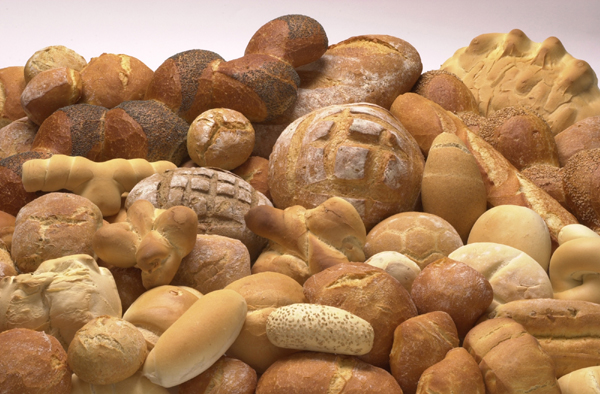
In this context, the objective of a recent study conducted by a group of researchers (Tedeschi and Maietti, 2025) was to evaluate the quality, chemical characteristics, functional properties, and shelf life of bread containing increasing percentages (0.5%, 1%, 2%, and 3%) of Voghiera black garlic powder.
The data obtained show that the presence of this powder does not alter the nutritional composition of the product, while the concentration of polyphenols, total flavonoid levels, and the relative antioxidant activity progressively increase with the percentage of garlic content compared to the control samples. Furthermore, it was observed that bread prepared in this way (especially the 1% and 2% formulations) has a better shelf life, reducing microorganism growth and water loss compared to traditional samples, while showing a slight increase in acidity and color intensity.
In conclusion, using black garlic powder from non-directly edible bulbs is an important step towards the circular economy concept and, at the same time, enables the development of bread formulations with improved functional properties.
References: P. Tedeschi & A. Maietti, National Conference on Food Science and Technology, Bologna, 9-10 June 2025, 59.