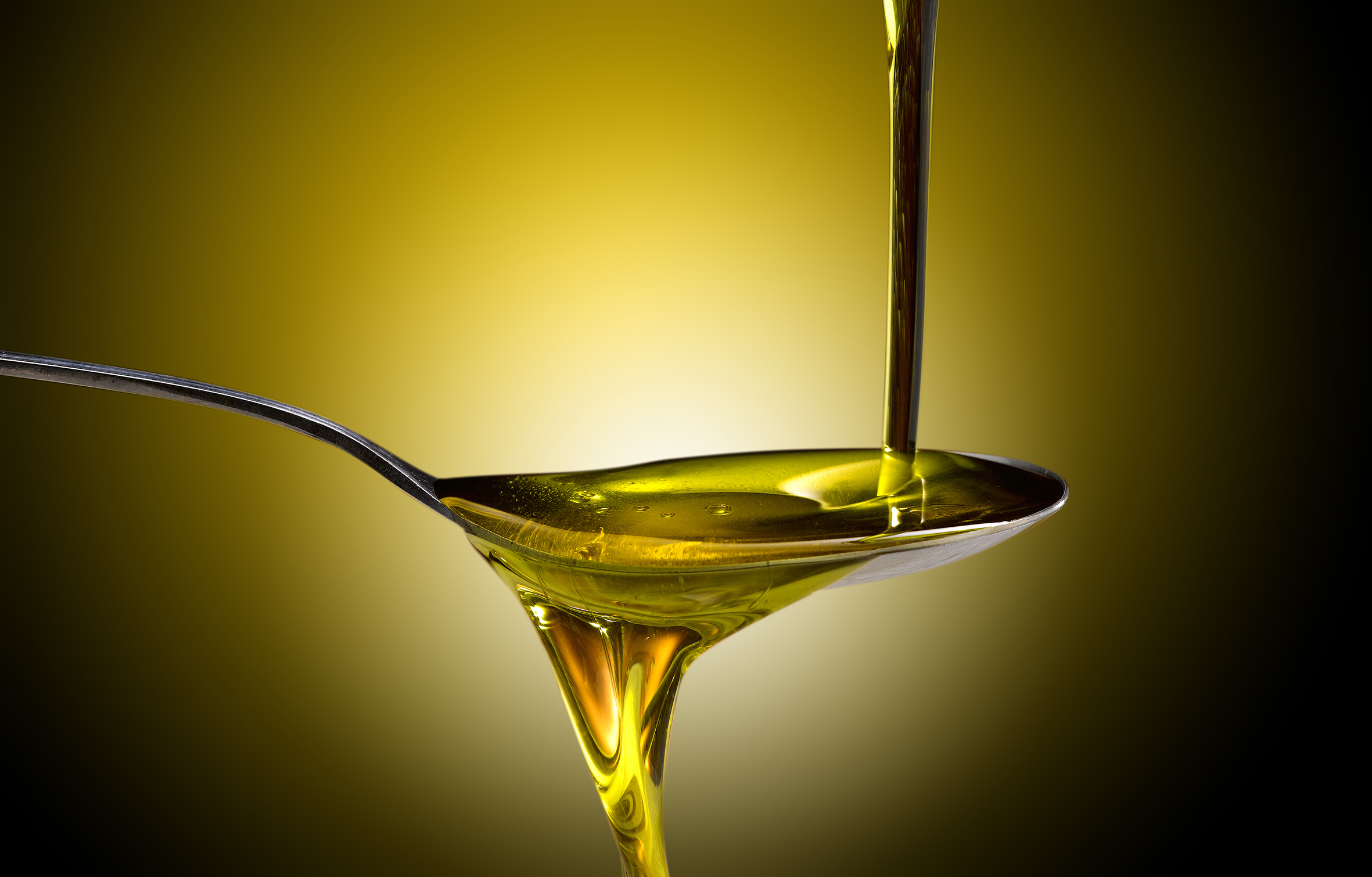
Extra virgin olive oil remains a strategic ally not only for prevention, but also for sporting activities and weight management: when used correctly, it can help improve metabolism, muscle recovery and energy management.
This is the finding of the latest in-depth study promoted by AIFO – the Italian Association of Olive Oil Mills – in collaboration with Italia Olivicola as part of the implementation of the operational programme provided for by Regulation (EU) 2021/2115, which concludes the information campaign launched in April.
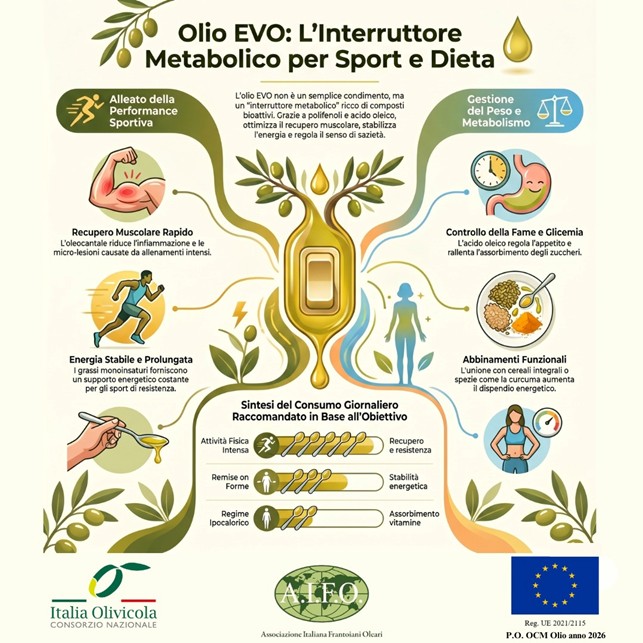
The latest scientific evidence indicates that extra virgin olive oil cannot be considered a mere condiment, but a genuine ‘metabolic switch’. Its bioactive compounds, particularly polyphenols, help to modulate inflammation, the glycaemic response and the body’s utilisation of fats.
In the case of high-intensity physical activity, extra virgin olive oil plays a significant role in muscle recovery.
Intense training sessions cause micro-injuries and inflammation: in this context, substances such as oleocanthal help to reduce the inflammatory response, promoting faster recovery times. At the same time, monounsaturated fats provide a steady and sustained energy supply, which is particularly useful in endurance sports. Intake can reach up to 4–6 tablespoons a day for athletes, spread across main meals.
Even on low-calorie diets, extra virgin olive oil proves to be an effective ally. Oleic acid helps regulate appetite and reduce emotional eating, whilst the presence of fats slows down the absorption of sugars, preventing blood sugar spikes and promoting better metabolic balance. In these cases, the recommended amounts are smaller – around 1–2 tablespoons a day – but are essential to ensure the absorption of vitamins and support the body’s proper functioning.
With summer approaching, extra virgin olive oil therefore fits into ‘get-back-into-shape’ plans as a balancing element between nutrition and metabolism. Consuming around 2–3 tablespoons a day helps support digestion, improve energy stability and contribute to more effective weight management.
But it is not just a question of quantity. The latest research highlights how the effectiveness of extra virgin olive oil increases when it is paired correctly with other foods. Dressing vegetables such as broccoli or rocket, for example, improves the absorption of active compounds, with positive effects on cellular metabolism. Similarly, pairing it with whole grains or pulses helps reduce the meal’s glycaemic impact, whilst using it alongside lean proteins helps prolong the feeling of fullness and limit sugar cravings in the hours that follow.
Combining it with spices such as chilli or turmeric can also help boost energy expenditure, thereby supporting metabolic processes. A set of simple measures that transform extra virgin olive oil from a condiment into a genuine functional component of the diet.

“The quality of extra virgin olive oil is crucial not only for its taste, but also for its impact on the body”, emphasises AIFO President Alberto Amoroso. “It is important that consumers understand how this food can be adapted to different lifestyles, from sport to weight management. All the activities we are carrying out together with Italia Olivicola in implementing the Operational Programme provided for by Regulation (EU) 2021/2115 have precisely this objective: to inform and guide people towards more informed food choices, highlighting the work of millers and the true quality of extra virgin olive oil”.
A key factor remains the quality of the product: the presence of polyphenols and bioactive compounds depends on production processes and storage methods, which determine the oil’s true nutritional value.