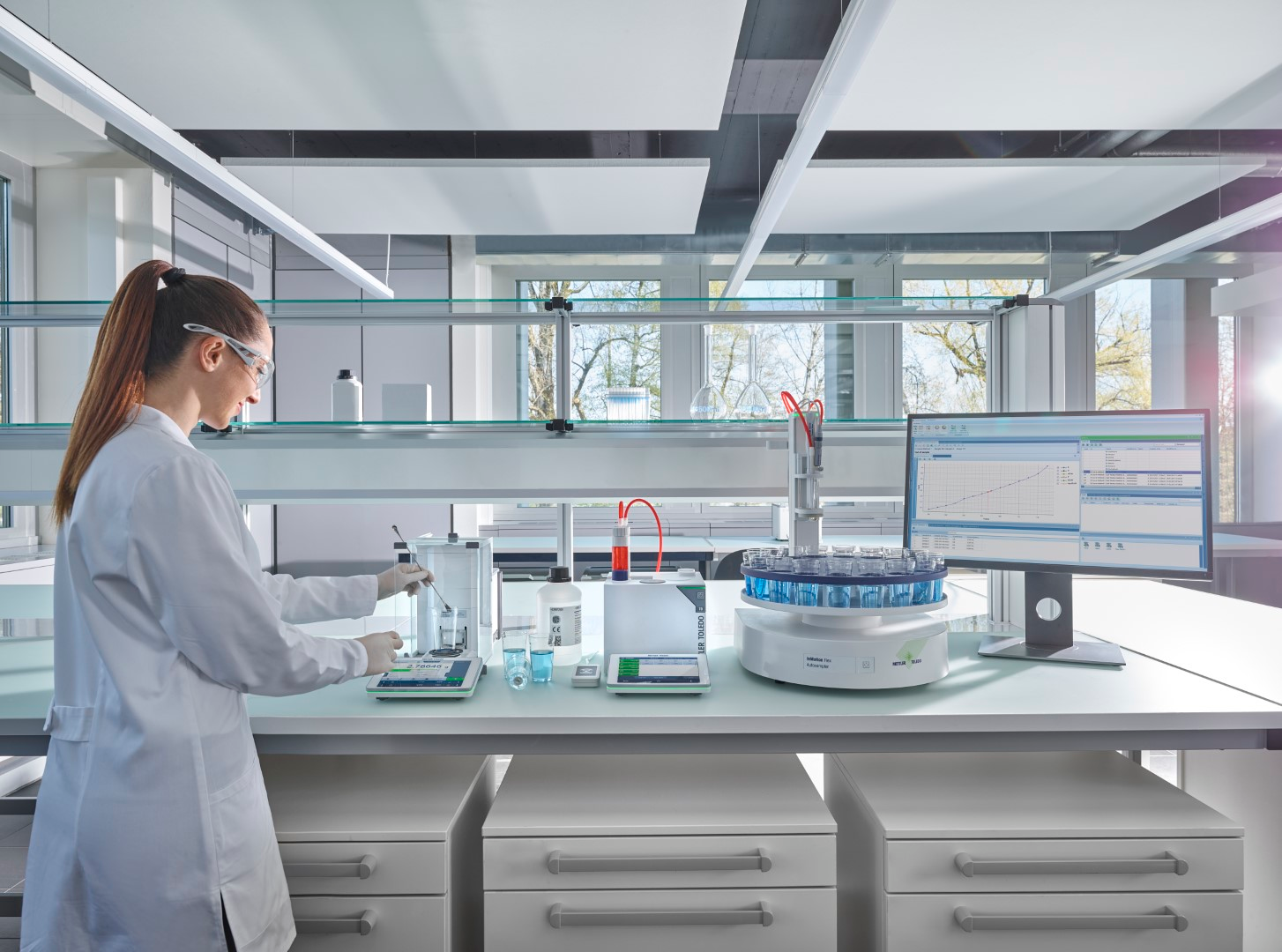
The Food & Beverage industry is called upon to meet increasingly stringent requirements in terms of safety, traceability, regulatory compliance and consistent quality. To achieve these goals, it is no longer enough to check the finished product: the entire production process must be monitored using reliable data and precise measurements.
The laboratory takes on a strategic role
In this context, the laboratory plays a strategic role. The analyses make it possible to check key characteristics such as sugar content, acidity, density, moisture content and alcohol concentration, enabling companies to take swift action in the event of deviations from the expected parameters.
The digitalisation of instruments and the automation of analytical tasks also help to reduce errors, improve traceability and increase the productivity of laboratory staff.
Sugar control: an essential parameter
Determining the sugar content is crucial in numerous applications, from soft drinks to fruit juices, as well as in the fermentation processes of wine and beer.
For these applications, METTLER TOLEDO offers the EasyPlus range of refractometers, benchtop instruments designed for the automatic measurement of Brix degrees and the refractive index. Thanks to their automatic temperature control and intuitive interface, they enable fast and reliable analyses to be carried out both in the laboratory and at the point of production.
Alcohol content testing: quality and compliance
Of all the parameters monitored in the beverage industry, alcohol content is one of the most important. It affects the organoleptic characteristics of the product, its commercial classification, its labelling and, in the case of spirits, also its tax status.
For wine, beer, liqueurs and spirits, it is essential to have precise and repeatable measurements. According to industry regulations, digital densimetry, based on the oscillating U-tube principle, is the official method for determining alcohol concentration by measuring density.
Modern densimetry solutions deliver accurate results in just a few minutes, reducing reliance on the operator and ensuring compliance with current regulations.
Wine, beer and spirits: increasingly sophisticated applications
In wine production, analysis accompanies every stage of fermentation. Measuring density, Brix, pH and alcohol content enables oenologists to monitor the development of the must and take prompt action to optimise the final quality.
In beer production, monitoring extract, residual sugars and alcohol content is crucial to ensuring consistency between batches and meeting the specifications set out in the recipe.
For spirits producers, on the other hand, precision in measuring alcohol content is essential both for product quality and to comply with regulatory and tax requirements. Digital densimetry technologies enable these checks to be carried out with a high degree of accuracy.
Densito: quality control carried out directly on the production line
Not all tests need to be carried out in the laboratory. It is often necessary to carry out quick checks directly in the winery, brewery or on the production lines.
To meet these needs, METTLER TOLEDO offers Densito, a portable densitometer that measures density, specific gravity and alcohol concentration with automatic temperature compensation. The instrument is particularly suitable for at-line monitoring and rapid checks during the various stages of production.
Automation and productivity with InMotion™
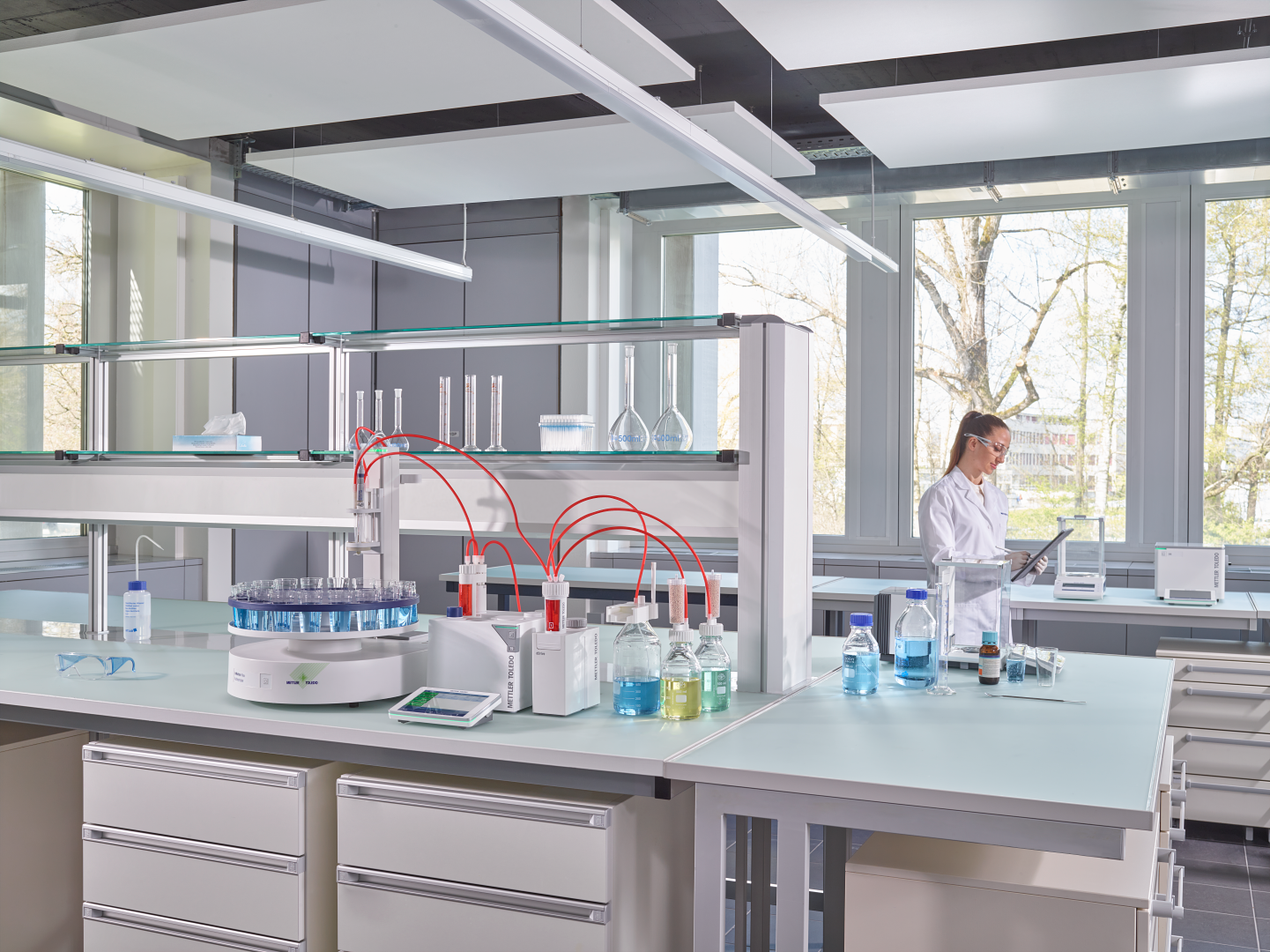
In laboratories where productivity and high sample processing capacity are key requirements, the choice should be directed towards highly automated solutions capable of optimising workflows and minimising operator intervention.
METTLER TOLEDO’s InMotion™ Autosamplers enable the automation of sample preparation and analysis, integrating with a range of analytical instruments. This solution helps to increase productivity, improve traceability and reduce errors associated with manual sample handling.
A partner for quality, sustainability and competitiveness
The modern analytical approach is no longer focused solely on verifying product compliance. Thanks to the availability of accurate data, companies can reduce waste, improve production yields, optimise the use of raw materials and enhance the sustainability of their processes.
METTLER TOLEDO’s solutions contribute to this objective by supporting laboratories and quality departments with reliable, connected instruments that can be easily integrated into modern digital ecosystems.
Conclusions
In the food and drink sector, quality is achieved through constant process monitoring and access to reliable data. From measuring Brix degrees to determining alcohol content, right through to the automation of laboratory tasks, analytical technologies are now a strategic factor in a company’s competitiveness.
With solutions such as the EasyPlus refractometers, densimetry systems for alcohol monitoring, the Densito portable densimeter and the InMotion™ autosamplers, METTLER TOLEDO offers instruments designed to help food and beverage manufacturers achieve high standards of quality, efficiency and regulatory compliance.