
In the functional foods landscape, postbiotics are emerging as one of the most promising advances in fermentation applied to the food industry. Unlike probiotics, which require the presence of live microorganisms, postbiotics consist of preparations of inactivated microbial cells and their metabolites, offering significant advantages in terms of stability, safety, and compatibility with industrial processes. This paradigm shift shifts the focus from microbial viability to metabolic profile design, opening up new possibilities for the development of functional ingredients that can be integrated into various food matrices. Beyond technological aspects, scientific literature highlights how postbiotics are associated with the modulation of various physiological functions in the body, including maintaining the intestinal barrier, regulating the immune response, and energy metabolism, through the action of bioactive components of microbial origin. From controlled fermentation to the inactivation phase, up to stabilization and formulation technologies, postbiotics are truly engineered ingredients, capable of contributing to product shelf life, microbiological safety, and clean label positioning. However, their industrial use still faces challenges related to standardization, functional characterization, and regulatory compliance. In this context, postbiotics represent an emerging category of ingredients, whose development will depend on the ability to integrate scientific evidence, technological innovation, and concrete industrial applications.
Postbiotics: the new frontier

In recent years, research in the field of biotics has begun to shift its focus beyond the traditional paradigm of live microorganisms, paving the way for a new generation of functional ingredients: postbiotics. In this context, the turning point is represented by the consensus statement of the International Scientific Association for Probiotics and Prebiotics (ISAPP), which defines postbiotics as “preparations of inactivated microorganisms and/or their components capable of conferring a health benefit on the host” [Salminen S et al. Gastroenterol. Hepatol. (2021), Vol. 18, September 2021]. This definition, now widely adopted in the scientific literature, introduces a crucial distinguishing element compared to probiotics: functionality is no longer linked to cell viability, but to the presence of microbial structures and bioactive components derived from inactivated cells. Postbiotics therefore do not coincide with single isolated metabolites, but with complex preparations that may include cell fragments, wall and membrane components, as well as any residual metabolites generated during manufacturing processes. The need for a shared definition arises precisely from the need to overcome terminological ambiguities that, for years, have accompanied this emerging field, hindering clear communication between research, industrial development, and regulation. In this sense, the framework proposed by ISAPP today represents the scientific basis on which the most recent application developments in the food sector are being built.
Technological advantages and industrial opportunities
The prerogative of postbiotics, being preparations of inactive microorganisms, translates into a substantial technological advantage: the absence of viable cells eliminates the need to preserve their survival throughout the product’s shelf life, overcoming one of the main limitations of probiotic applications. In products containing live microorganisms, stability is strongly influenced by variables such as temperature, pH, oxygen, and process conditions, resulting in the need for initial overfilling to ensure viability until the end of the shelf life [Vinderola et al., Foods 2022, 11, 1077]. Postbiotics, on the other hand, exhibit greater intrinsic robustness, facilitating their integration into industrial processes and various food matrices. From a production standpoint, this stability translates into broader compatibility with processing technologies, including those involving thermal or physical stress. Furthermore, the non-viable nature of postbiotics allows for greater standardization of the finished product: while in probiotics quality is expressed in terms of colony-forming units (CFU), a parameter subject to variation, in postbiotics functionality is linked to structural and molecular components that are more easily characterized and reproducible.
Another area of interest concerns the possibilities offered by advanced formulation technologies. The growing attention towards bioactive ingredients derived from fermentation, such as peptides and microbial metabolites, has led to the development of stabilization and delivery strategies, including micro- and nano-encapsulation. Techniques such as spray-drying and electrospraying allow these compounds to be protected from degradation during processing, storage, and digestion, improving their bioaccessibility and integration into food matrices [Berraquero-García et al. Foods, 2023,12,2005]. Although these approaches have been extensively studied for bioactive peptides and other functional ingredients, they are particularly promising for postbiotics, which share similar challenges in terms of stability and controlled release. Finally, postbiotics fit coherently into current “clean label” innovation strategies [Chauhan K. Heliyon, 2024, 10]. Bioactive compounds derived from microbial fermentation—such as peptides, organic acids, and other functional molecules—have been associated in the literature not only with the modulation of certain host physiological functions, but also with the improvement of food quality and safety, for example, through antimicrobial and antioxidant activities [Jahedi et al. Iranian J. Microbiol. 2025, Vol. 17 Number 3]. This dual value, technological and functional, strengthens the role of postbiotics as emerging ingredients capable of meeting the increasingly demanding needs of sustainability, safety, and naturalness of the market. Taken together, these elements delineate postbiotics not only as an evolution of probiotics, but as an autonomous category of functional ingredients, characterized by greater stability, application flexibility, and industrial potential.
Benefits for the consumer
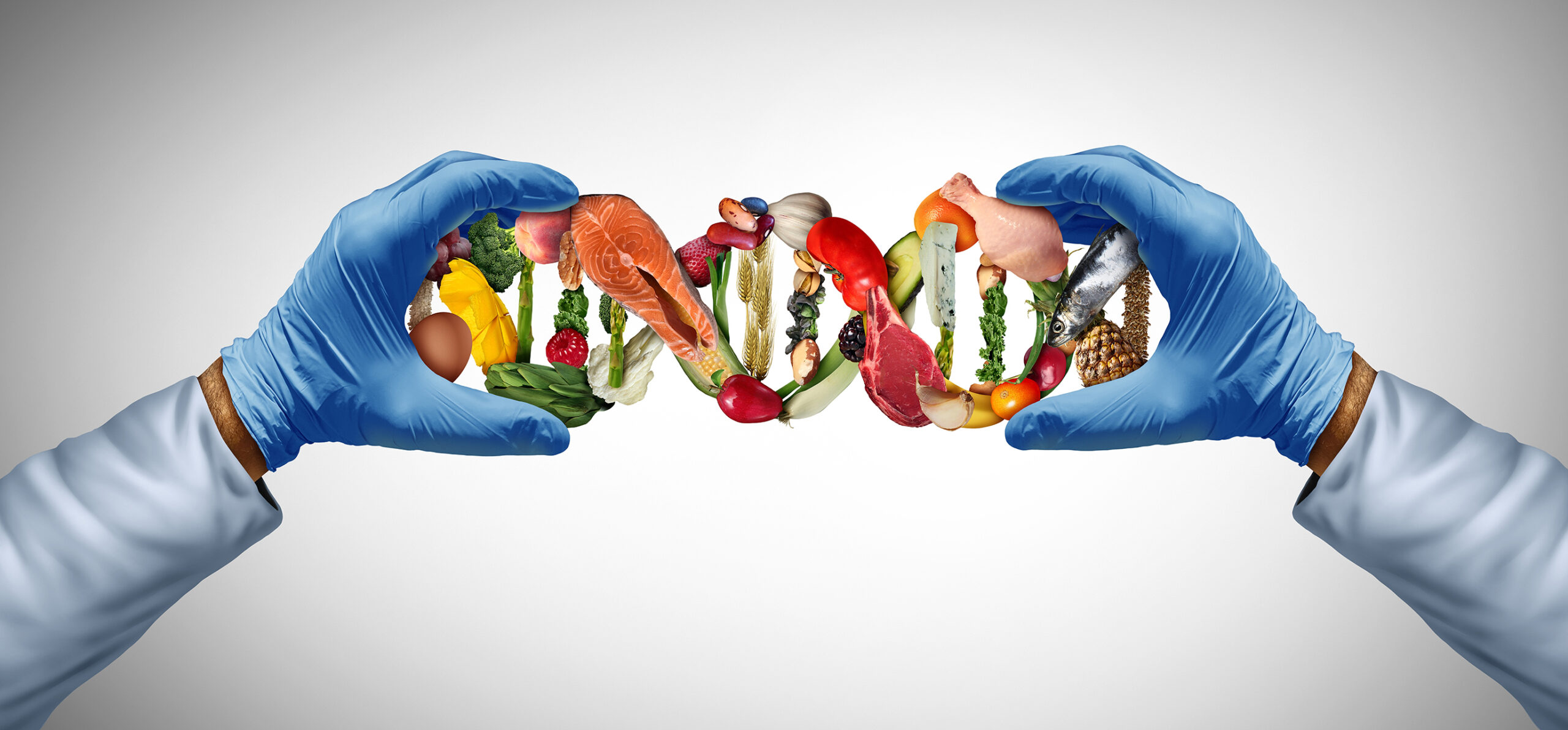
In addition to their technological advantages, postbiotics are attracting growing attention for their potential benefits for human health, supported by a rapidly growing evidence base. In recent years, numerous reviews have highlighted how these preparations, consisting of inactivated microorganisms and their bioactive components, are able to modulate various physiological functions through well-characterized mechanisms at the molecular level. One of the most studied areas concerns the intestinal barrier function [Asefa Z et al. Front Microbiomes. 2025, Vol. 4]. Postbiotics are able to regulate the expression of tight junction proteins, such as occludin and claudin, contributing to the strengthening of epithelial integrity through intracellular pathways such as PI3K/Akt and NF-κB. At the same time, they stimulate the production of protective mucins, improving the intestinal mucosa’s ability to counteract pathogen entry and modulate inflammation. These effects are accompanied by significant immunomodulatory activity. Several studies report that postbiotic components derived from inactivated lactic acid bacteria are able to interact with Toll-like receptors (TLRs), resulting in a balanced regulation of the immune response. In particular, a reduction in pro-inflammatory cytokines, such as IL-6 and TNF-α, has been observed, associated with an increase in anti-inflammatory mediators such as IL-10, with an overall effect of rebalancing immune homeostasis [Ikram A et al. Food Agricultural Immunology 2024, Vol. 35, No. 1; Ma et al. Nutrients, 2023, 15, 291]. Another area of great interest concerns the role of postbiotics in metabolism and chronic non-communicable diseases. Recent systematic reviews indicate that specific postbiotics, including inactivated bacteria such as Lactobacillus amylovorus CP1563 and Bifidobacterium animalis CECT8145, may contribute to improving body composition, regulating lipid metabolism, and improving insulin sensitivity [Eslami M et al, Clinical Nutr ESPEN, 2024 Dec:64:370-389]. These effects are attributed, at least in part, to the action of metabolites such as short-chain fatty acids (SCFA), particularly butyrate, which exerts energetic and anti-inflammatory functions and modulates the gut-organ axis [Liu et al., Anim Res One Health, 2023, 1:92-114; Ma et al., Nutrients, 2023, 15, 291]. Emerging evidence in other areas of application is equally relevant, including skin health, oxidative stress management, and support for aging-related conditions. Recent reviews report that postbiotics can promote tissue regeneration, stimulate collagen synthesis, and help maintain the integrity of the skin barrier, as well as exert antioxidant effects useful in countering degenerative processes [Asefa Z et al. Front Microbiomes. 2025, Vol. 4]. Finally, a distinctive element, particularly relevant from an application perspective, concerns the safety profile. Unlike live probiotics, postbiotics do not pose a risk of bacterial translocation or systemic infections, making them more suitable for vulnerable populations, such as infants, the elderly, and immunocompromised individuals [Frias R V. Frontiers in Nutrition, 2025]. Taken together, this evidence outlines postbiotics as a class of functional ingredients with a broad spectrum of biological activities. However, as highlighted in the literature, the variability of the preparations and the limited availability of large-scale clinical studies still make further consolidation of the evidence necessary, particularly through well-designed and standardized randomized controlled trials.
Applications of postbiotics in food matrices
While the technological advantages of postbiotics justify their growing interest, it is in concrete applications that this category of ingredients is demonstrating its industrial maturity. Recent literature documents numerous examples of integration into real food matrices, in which postbiotics—in the form of inactivated fermenters, cell-free fractions, or microbial metabolites—significantly contribute to the microbiological safety, shelf life, and overall quality of products.
In the dairy sector, one of the most studied cases concerns the use of fermented products containing bacteriocins, such as the lacticin DPC3147 produced by Lactococcus lactis. The incorporation of these systems into powdered milk, yogurt, and ricotta has shown high efficacy in controlling pathogens such as Listeria monocytogenes, with reductions of up to 97% in reconstituted milk and over 98% in yogurt within minutes, as well as almost complete inhibition of Bacillus cereus in more complex matrices such as soups [Hernàndez Figueroa R H. Sustainable Food technol., 2024, 2, 292-306]. Particularly relevant applications also emerge in the fresh meat sector, where the use of cell-free fractions (CFS) derived from lactic acid bacteria fermentations inhibits the growth of pathogens such as Salmonella, E. coli O157:H7, and Listeria monocytogenes. In these systems, often integrated with packaging technologies such as vacuum packing, postbiotics are part of “hurdle technology” strategies, contributing not only to microbiological safety but also to the slowing of oxidative phenomena [Trymers M. Foods 2026, 15, 501].
In the bakery sector, sourdough starters represent one of the most well-established examples of postbiotic applications [Hernández Figueroa R H. Sustainable Food technol., 2024, 2, 292-306]. The use of cultures of Lactiplantibacillus plantarum, Lactobacillus amylovorus, and other lactic acid bacteria, inactivated during baking, allows the exploitation of natural antifungal metabolites, such as organic acids and phenyllactic acid, to significantly extend the shelf life of products. Several studies report an extension of shelf life from 7 to 14 days, with performance comparable or superior to traditional preservatives such as calcium propionate.
Further developments concern the use of postbiotics in edible coatings and surface applications, such as in the case of semi-mature cheeses treated with fermented products derived from Lacticaseibacillus paracasei or Propionibacterium jensenii. In these systems, in addition to the reduction of yeasts and molds, strong clean label potential emerges, especially when fermentation occurs on food substrates such as whey, allowing for the production of ingredients that can be directly integrated without the use of non-food-grade culture media [Hernàndez Figueroa R H. Sustainable Food technol., 2024, 2, 292-306]. Taken together, these applications highlight how postbiotics can be considered true multifunctional technological tools.
However, their efficacy in real food matrices is influenced by complex variables, including the so-called “matrix effect”, which may require significantly higher concentrations than those observed in in vitro model systems due to the complexity of food matrices. This, along with the need to standardize production processes and define clearer regulatory frameworks, represents one of the main challenges for large-scale industrial deployment.