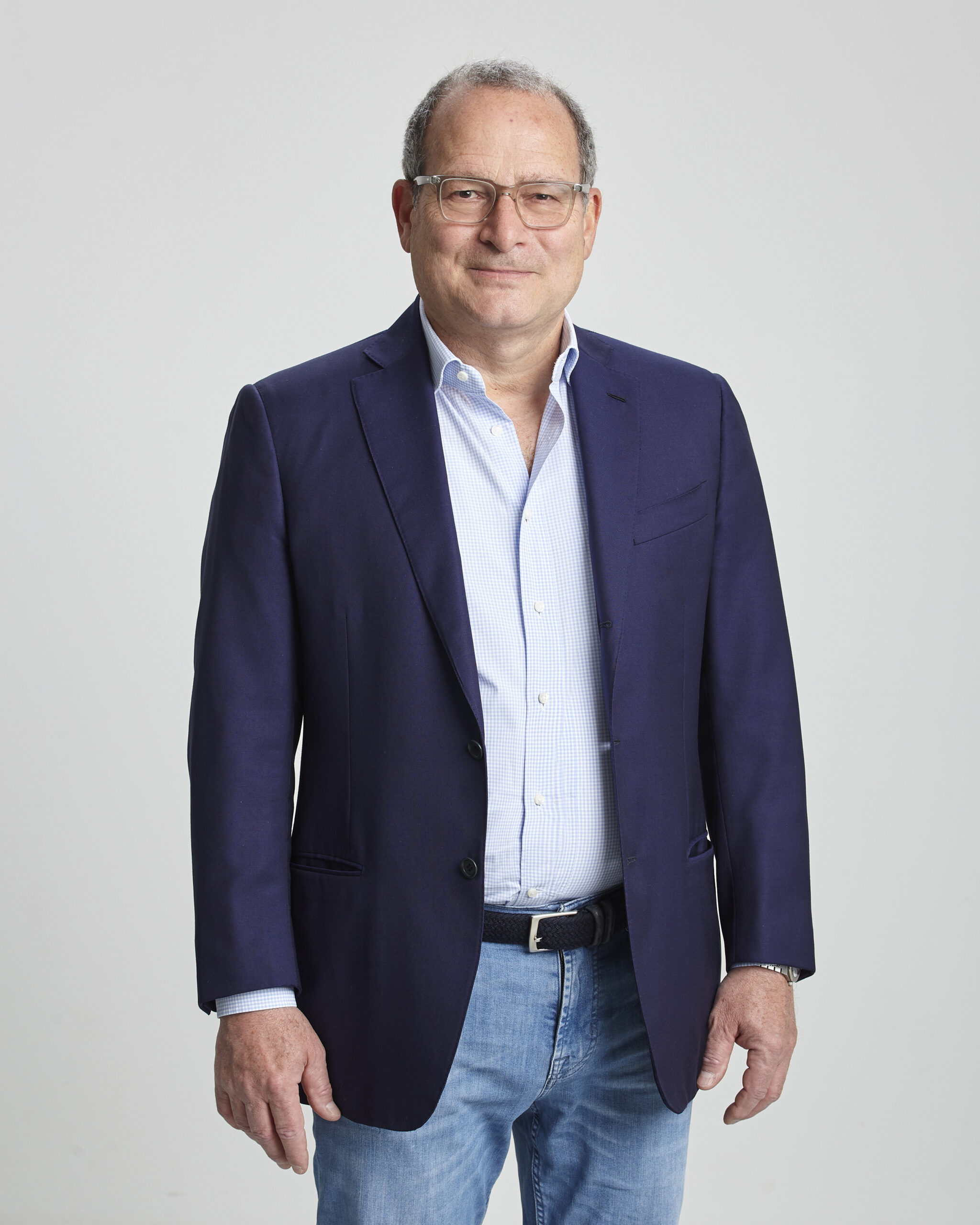
The EU’s single market strategy aims to eliminate some of the issues that are weakening it. In the packaging sector, the two biggest obstacles are inconsistent regulations regarding packaging waste and environmental labeling, with differing requirements and symbols across Member States. We discussed this with Dr. Francesco Legrenzi, Director of the Italian Packaging Institute and CEO of Packaging Meeting.
What are the highlights of your professional career?
I graduated in law from the University of Milan. In 1991, I became Head of the Legal Office of the Italian Packaging Institute, working as an expert consultant on legislative and regulatory aspects of packaging, food contact materials, and food law. Since 2019, I have been Director of the Institute and CEO of Packaging Meeting Srl. I am supported by a highly skilled team of collaborators and external consultants. Together, we develop the Packaging Education professional development and training program. I also coordinate support and consulting activities for member companies and non-members who turn to us for appraisals and technical advice.
The value of associationism
How can the Italian Packaging Institute be defined?
The Italian Packaging Institute was founded in Padua in 1951 as a division of the Padua Trade Fair Authority. From the very beginning, it has been dedicated to supporting producers, users, and commercial operators in the packaging sector, while also involving experts from the technical and scientific fields. It has always been committed to collecting and disseminating data on industry trends, providing information and training, as well as promoting an intense conference program. In 1957, the Packaging Oscar, now known as Best Packaging, was established. This annual award recognizes producers and companies that use packaging. The prize focuses on evaluating the technological aspects of packaging, consumer ease of use, and the sustainability of the solutions adopted. In 1982, the association’s headquarters moved to Milan. With its continued growth, the Institute has seized the opportunity to gain recognition and integrate into the international scene, evolving into an organized and dynamic “packaging community.” Today, it is a technical and cultural reference point for the entire supply chain. It provides companies with highly qualified professional development through its Packaging Meeting and Only Food initiatives, as well as specialized consulting services in regulatory and technical fields.
What is the value of this form of association?
The Institute’s main strength lies in its broad diversification across sectors, sizes, and generations. The results achieved are the fruit of the commitment and dedication of all internal and external collaborators, the contribution of the numerous Presidents who have succeeded one another over the years, and the contribution of all members. The projects completed, as well as those underway, are the result of constant and attentive listening to our members. This demonstrates how collaboration and teamwork lead to excellent results.
How does listening to our members guide your business?
We adopt a proactive approach with the aim of anticipating emerging trends. To do so, we actively participate in professional networks, national and international events, and specialized trade fairs. Continuous dialogue with company technicians, who describe the complex challenges they face daily, is essential for us to refine and optimize our offering. We are committed to promoting the operational independence of our technicians. To this end, we will soon adopt an innovative artificial intelligence-based tool. It has been under development and training for several months and is expected to be released in the coming weeks. This new tool will allow companies to conduct targeted searches and easily reorganize information materials.
What do companies ask of you?
The training we offer, primarily delivered through webinars and online courses, is of considerable interest and focuses on disciplines related to general and sector-specific legislation, with a particular focus on the food, cosmetics, and pharmaceutical sectors. Furthermore, we devote considerable attention to current issues, addressing them before they fully emerge. Among these topics are environmental sustainability, safety, the circular economy, and the adoption of new resources, such as the digitalization of numerous procedures required by recent regulations and their sustainable integration with existing systems. The Institute also manages and updates the Wikipackaging database, a valuable information tool, and offers a help desk service. This service provides qualified support from our senior consultants, aimed at resolving various issues or answering questions regarding technical and regulatory aspects.
Europe asks companies to change

What are the main laws that will change the packaging industry in the coming months?
The European packaging industry is undergoing the largest regulatory transformation in the last 30 years. The new regulations cover the entire packaging lifecycle, from raw materials to the disposal of used packaging. Eco-friendly innovations are also increasingly regulated to ensure their safety requirements. In addition to the usual requirements related to the use of materials intended for contact with food—for example, migration testing, declarations of conformity, GMP, traceability, and labeling—there are also numerous sustainability requirements. The EU Packaging Regulation (PPWR) immediately comes to mind, but it’s not the only one: there are also enhanced EPR (Extended Producer Responsibility), bans on certain formats, and new requirements regarding recyclability, reuse, and reporting. The Packaging and Packaging Waste Regulation aims to reduce the quantities of waste to be disposed of and promote recyclable or reusable containers. Companies must align with the Circular Economy Action Plan, which focuses on waste prevention and efficient use of materials. Ecodesign regulations encourage material reduction, the use of single-materials for easier recycling, stricter restrictions on single-use plastics, improved traceability, improved recyclability standards, and clearer labeling to inform consumers about waste management, overcoming the current national fragmentation. Short transition times require companies to act quickly. Extended producer responsibility places the financial and operational burden of packaging waste recovery on the producer.
What are the main challenges companies face?
The complexity of regulations, the need for specialized compliance experts, the heterogeneity of documentation provided by business partners, and the difficulty of developing streamlined and structured compliance processes without compromising pre-existing systems are some of the main challenges. Likewise, the adoption of new digital tools for compliance management, aimed at streamlining certification processes, organizing documentation, and monitoring regulatory changes in real time, introduces further operational complexity. However, these challenges, if addressed strategically and appropriately, can be transformed into an opportunity for business evolution. Indeed, to ensure sustainable growth, innovation is not just a possibility; it is a genuinely essential prerequisite. A commitment to sustainability is not just a necessity imposed by external pressures, but a true driver of development and competitiveness in the contemporary economic context.
Work is underway to develop a unified label that will facilitate the separate collection of packaging waste and pose fewer challenges for companies that distribute across multiple EU countries. How and when will this result be achieved?
The European Commission’s current strategy aims to simplify the functioning of the single market by removing some of the obstacles that impede the free movement of goods. These include the lack of uniformity in regulations regarding packaging waste and its labeling. In the EU, there are still too many individualistic tendencies and too many actions taken by individual states, which are detracting from this objective. Take France and the Triman logo as an example. Companies exporting to France have so far had to adapt their packaging to comply with local regulations, and this situation will likely persist until 2028. That year, waste disposal information is expected to be aligned across all European Union member states. We, along with numerous other European associations, are working with Europen to identify, limit, or prevent new initiatives that could undermine the unity of the single market, resulting in increased costs for businesses. Many companies operating primarily in national markets are expressing concerns about the operational, legal, and economic risks associated with the mandatory labeling change planned for 2028. We currently do not have sufficient data to quantify the costs resulting from this change. This aspect is not among the parameters monitored by our Institute.
From above or from below
In the EU, packaging evolution has always been driven by regulations; in other continents, industry precedes legislators. What are the reasons for these different behaviors?
The difference is not accidental: it stems from profoundly different economic, cultural, and institutional structures between the EU and the major countries that are now key players in international markets. Packaging is one of the most “educational” cases because it lies at the intersection of the environment, industry, and consumption. First, the regulatory philosophy: in Europe, the precautionary principle prevails, while elsewhere—I’m referring primarily to the USA and Asia—the market prevails. The EU has a top-down approach. The legislator sets the objective, and the industry adapts with greater or lesser effort. Most non-EU countries, on the other hand, have a bottom-up approach. Companies innovate, and legislators acknowledge this, or sometimes even chase after them. A second factor to consider is the much more fragmented industrial structure in Europe compared to other countries. For example, in the USA, innovation is driven by the market and by private companies that innovate to differentiate themselves. New sustainable materials, biodegradable packaging, or reusable solutions are being introduced to meet the demands of conscious consumers or to improve their image compared to competitors. Extended Producer Responsibility (EPR) principles are also gaining ground in Asia and Latin America, but the industry is still quicker to adopt ecodesign measures regardless of regulations. Abandoning traditional packaging models and developing systems that prioritize fairness and circularity is seen as a strategic opportunity in these areas. Supermarkets and retailers are spontaneously expanding their offerings of loose products, encouraging a return to practices based on container reuse. Policymakers are also following these trends with interest, introducing consistent regulations and incentivizing investments in infrastructure geared toward reuse, redistribution, and more efficient cold chains.
A frequent accusation against the packaging sector is its tendency to implement short-term solutions to solve small, urgent problems, neglecting the long-term vision. Do you agree with this statement?
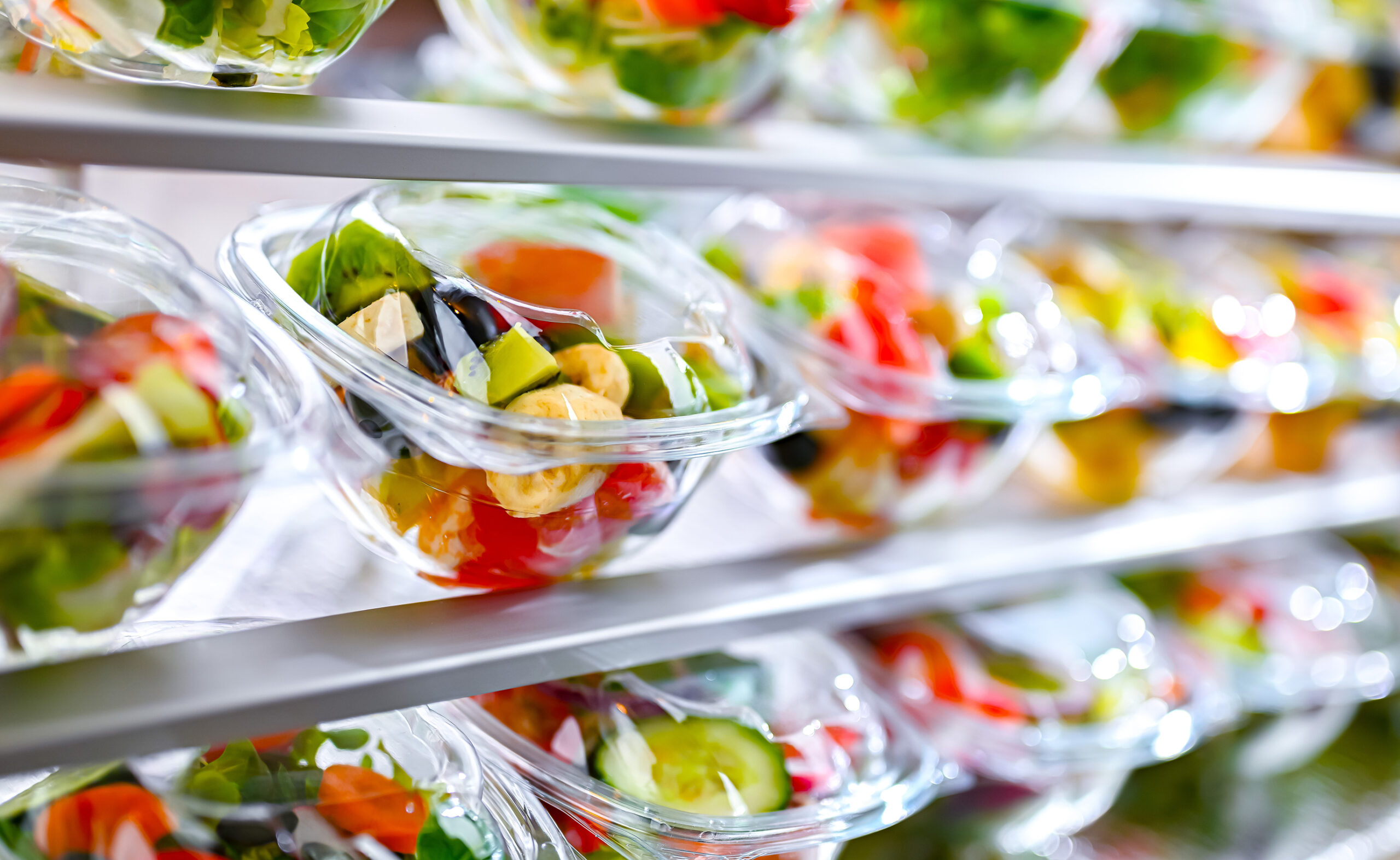
True innovation in packaging requires a long timeframe and significant investment. Easy solutions are not the norm. I’m referring, for example, to the transition to ready-to-recycle single-materials for flexible packaging; the industry has been working on this for several years. The same goes for coatings and bioplastics. As in any other sector, quick fixes are useful in the short term, but in the long run they can create problems, hinder growth, and limit the ability to innovate. Lack of innovation means a loss of strategic value and, in extreme cases, a weakening of the company’s structure. For many companies, achieving a high percentage of reusable, recyclable, or compostable packaging isn’t a goal; it’s a strategy to be pursued by engaging the entire packaging value chain. Only in this way can we achieve packaging that guarantees maximum product protection and the lowest possible environmental impact.
Many consumers still complain about the excessive use of packaging materials at the expense of sustainability. How can we improve the perception of the usefulness of packaging?
Fake news is one of the major challenges facing the industry, not only among consumers but also among parts of the general press and environmental associations. Consumer communications should be less generic, address topics relevant to their concerns, inform about the environmental consequences of poor packaging management, and propose solutions to reduce their impact. Communications should authentically reflect what the company actually achieves.
The future
How do you collaborate with public bodies and institutions?
We are members of several international associations, including Epic, Europen, and WPO, and we have launched an advocacy program to bring the Italian Packaging Institute’s technical expertise to ministries and other stakeholders when needed.
Currently, training in the packaging sector is primarily entrusted to technical institutes (ITS) and subsequent in-house experience. Would something more comprehensive be necessary?
We would like to reintroduce university education to support companies desperately seeking personnel with basic training in the sector, which, however, is not attractive to students, despite significant employment opportunities. Thanks to the commitment of the Fondazione Carta Etica del Packaging, packaging is being integrated into higher education, but the process is long and costly.
What will the Italian Packaging Institute focus on over the next two years?
We will increase support for member companies, following market demands. In recent years, we have expanded our membership base into sectors that until recently had little coverage, such as cosmetics, pharmaceuticals, and high-end products, which we are currently approaching. Regarding new projects, we are approaching the transition of the Presidency scheduled for next June. Before then, we would like to have completed the numerous ongoing projects. Then, in collaboration with the new Presidency, we will evaluate which new areas to explore.