Imagine a canvas. White. Ready to welcome creativity and colour. Because even without a frame, you can paint a picture. Alberto Bosisio tells us about it . A construction engineer by profession, a brewer by passion. Together with his friend Cristian Benzoni, he founded the Orma Bianca craft brewery in 2014. “It was a continuous process of experimentation: between trials and recipes. Since our beginnings as homebrewers, we have travelled to the heart of brewing Europe: to understand, taste and learn.” Like many, they started with a self-built pilot plant. The results, however, were more than encouraging. And so they decided to get serious: to follow their passion! With Luppolajo, the dream took shape. It became a reality. Today, at Alberto’s side, is Chiara Donghi, a central figure in the consolidation of their beer firms and also his life partner.
Outsourcing
The decision to rely on Luppolajo proves to be decisive. “Being able to put my recipes into practice and follow every stage of production, step by step, is an extraordinary opportunity. Enrico and his team and I understood each other right from the start: thanks to their skills, but also to systems that allow us to work with precision and quality“.
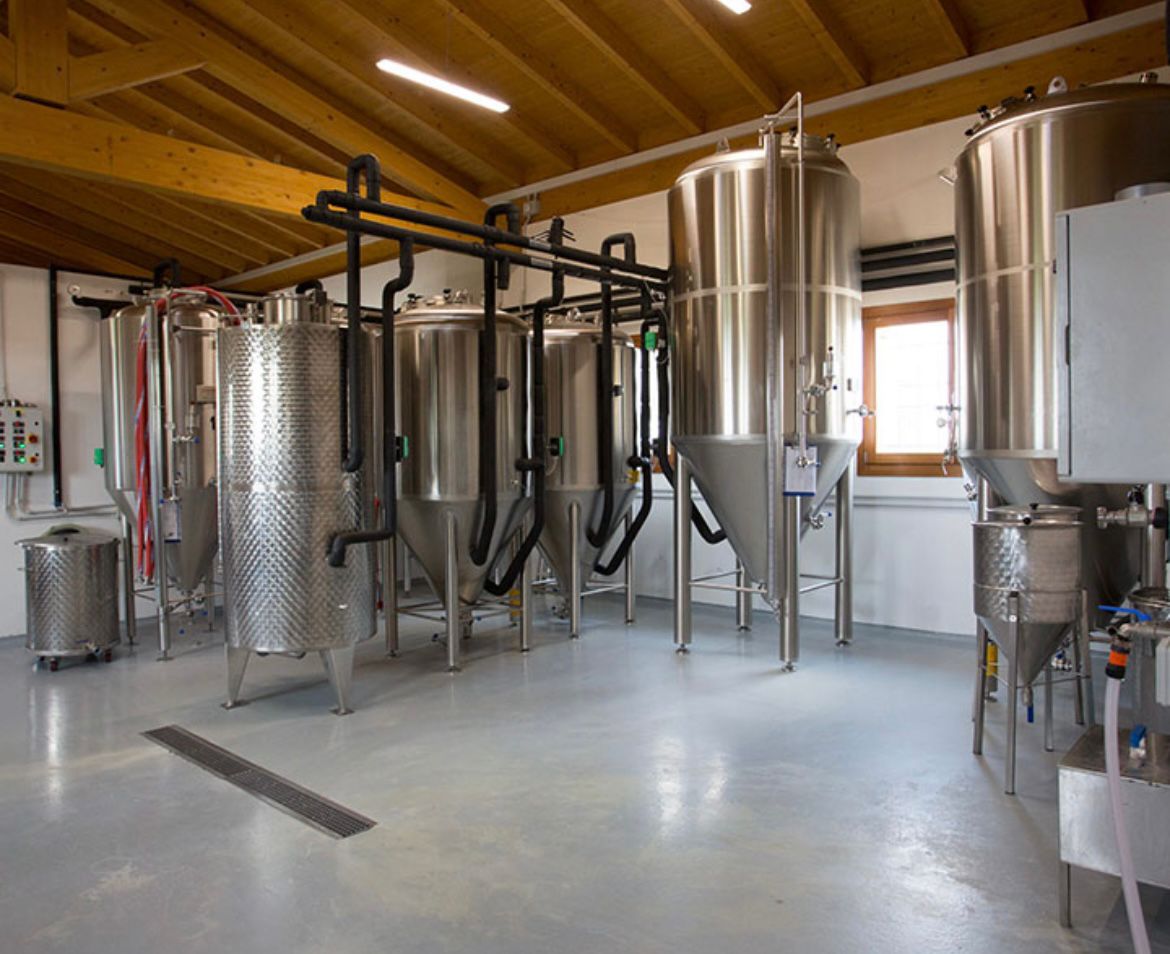
The production of Orma Bianca remains – for now – deliberately moderate. Last year, around 15,000 bottles were produced. “I won’t deny that what started as a hobby is taking up more and more space.” At the end of 2025, the Castel Goffredo (MN) brewery invested in a major technological upgrade, optimising processes and expanding production capacity. Luppolajo – which today produces about 120,000 litres of conditioned beer per year – has replaced the first 600-litre multi-boil brewhouse with a new 24-hectolitre semi-automated brewhouse from Inopax Italia. This step has improved efficiency and production times, and has also strengthened the third-party service, thanks to which projects such as Orma Bianca can be developed. For Alberto’s beer firms, the brewhouse is used once a month, with increased use in the periods between January and February. The volume of wort per brew is between 950 and 1,000 litres. Overall production ranges between 7,000 and 10,000 litres per year. This figure has remained substantially stable since the start of the project, excluding the first year of adjustment and the two-year pandemic period. The Luppolajo brewery has seven fermenters: two of 2,400 litres and five of 1,000 litres. For Orma Bianca, 2 1,000-litre fermenters (INOXPA) are used. The partnerships don’t stop there. Alberto, together with Wackybrew – an independent microbrewery in Casatenovo (LC) – produces a beer inspired by the traditional Rauchbier of Bamberg, in Franconia. With that characteristic smoky profile, almost 1,000 litres are produced per year.
The beer takes shape
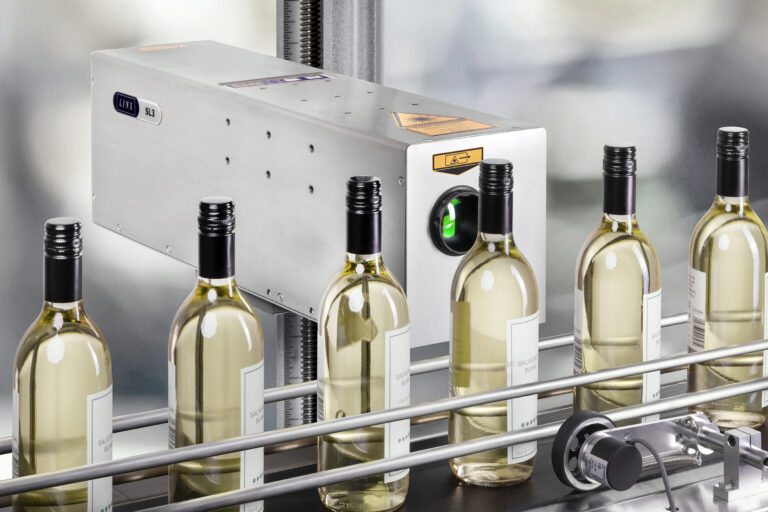
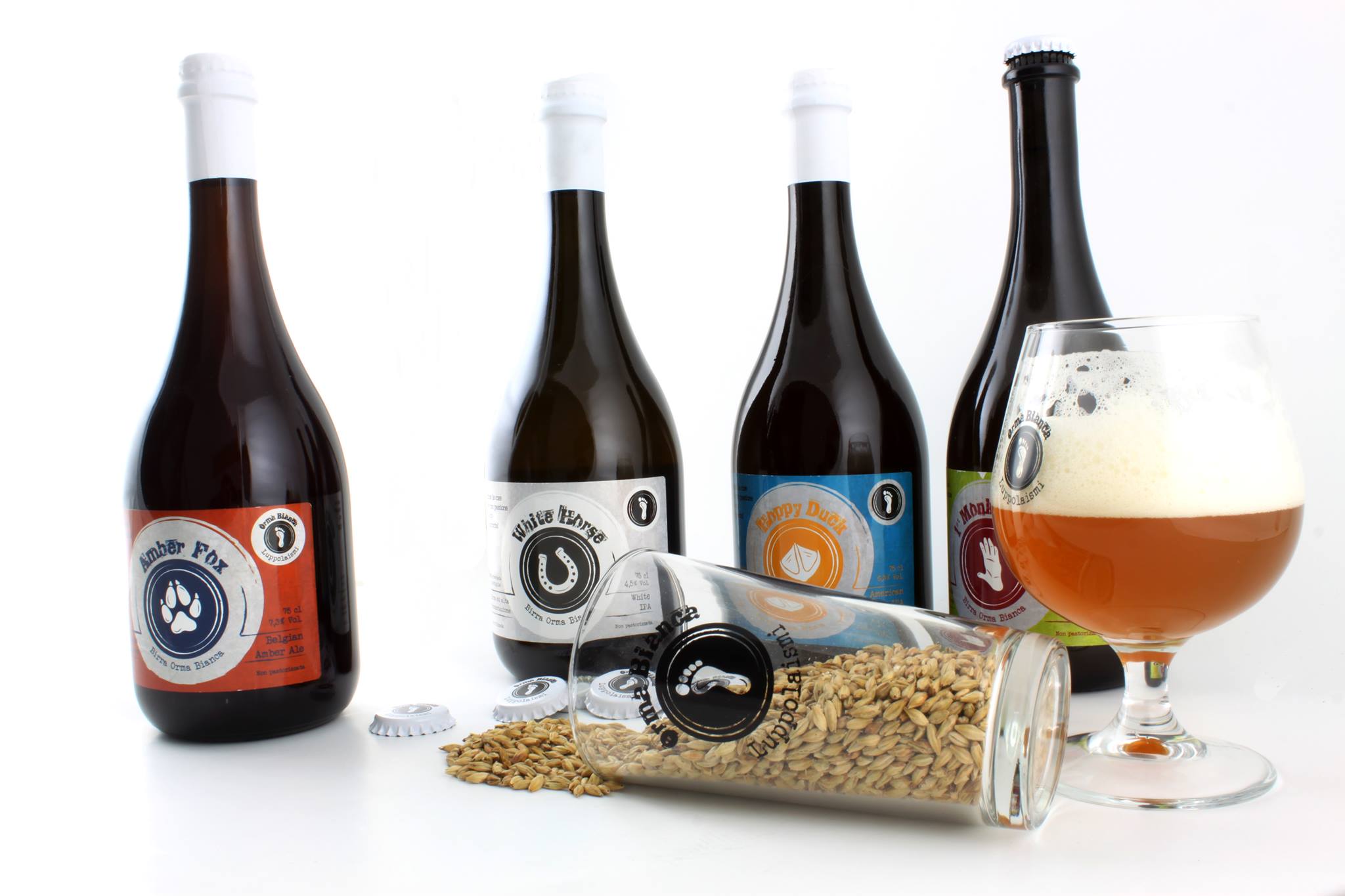
GAI MME 661 is the model used by Luppolajo: a linear isobaric bottling machine with six spouts. The plant operates at a speed of about 1,200 bottles/hour for the 33 cl format and 800 bottles/hour for the 0.75 L format. Orma Bianca has diversified its distribution between glass, cans and kegs. In total, production in 2025 saw 7,500 33 cl glass bottles and 4,000 0.75 L bottles bottled. There were 2,000 33 cl cans. The choice of packaging – refermentation in the bottle or isobaric filling – varies according to the style and sensory profile of the beer. For the cans, a Cask SAMS V1.0 three-head canning machine is used. The range is completed by 24-litre Polykeg, in the model without a bag; 100 kegs of conditioned beer for 2025. Special formats: magnums are filled during the Christmas period and for special recipes. For a total of 2,000 1.5-litre bottles. The annual line includes: 1st Monkey Ale, a light and simple Golden Ale. Hoppy Duck in the American IPA style; Porky Tripel with honey and bergamot peel. The top-fermented range also includes: 5-5-5 IPA, 10 Passi Doble IPA and Dubbel Bell, in the Belgian Dubbel style. There is no shortage of seasonal beers, one-shots and a line of barrique beers, produced only once a year. In addition to the production process, Luppolajo provides Orma Bianca with a dedicated cold room and an area reserved for the barrels.
Footprints in Wood
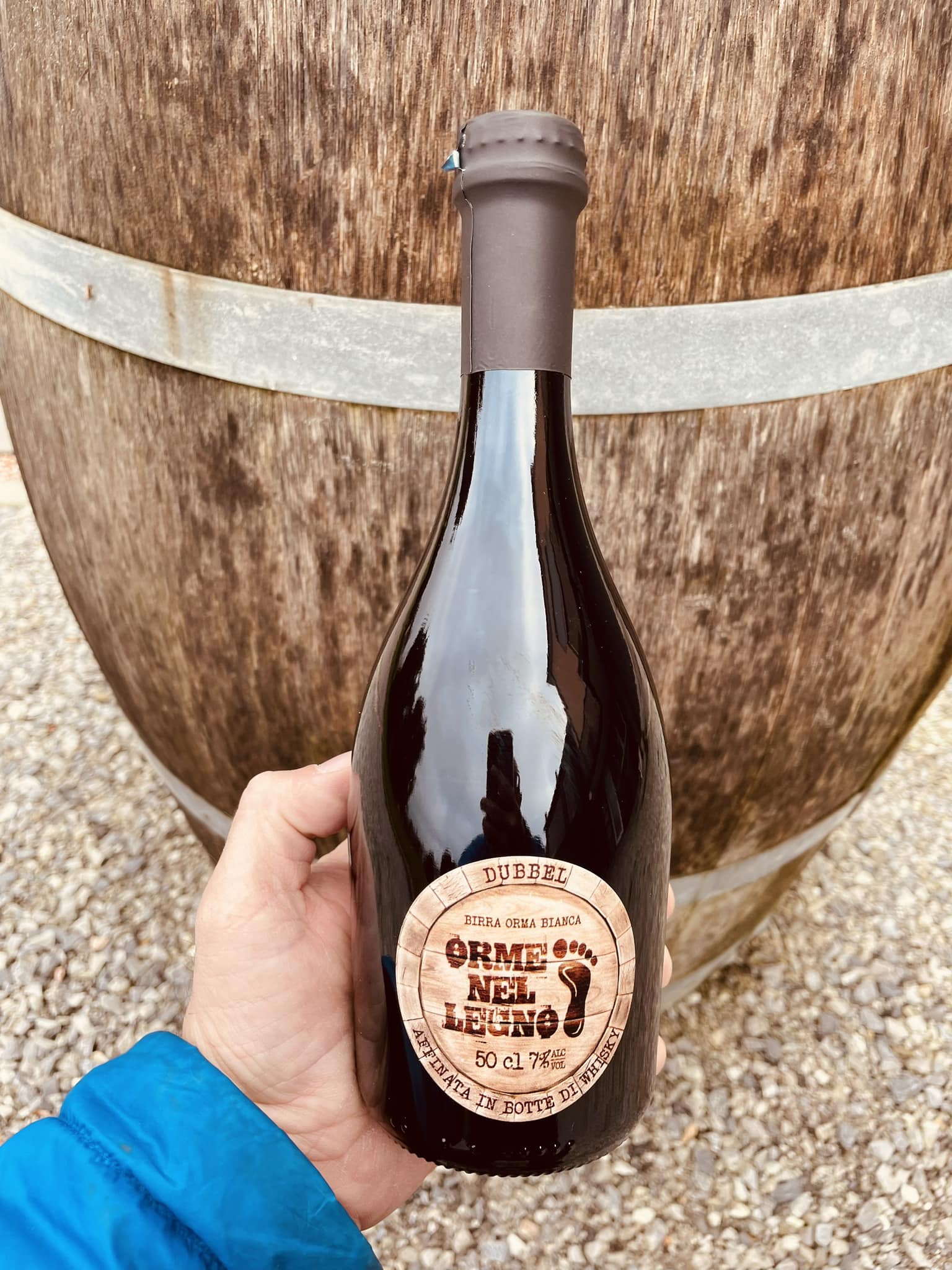
We mainly use spent wine casks sourced from farms in Valtellina and Scotch whisky casks. Our cask-aged beers are available exclusively in the 50 cl size. ‘One example is our Tripel, aged in whisky casks. It’s a beer that’s deliberately a little outside the style, with a pronounced sweetness. Paradoxically, it’s our best-selling beer. Last year we produced and sold 400 ‘champagnotte’! During brewing, I use 20 kg of blueberries from a small grower above Erba, whom I met at farmers’ markets. I incorporate wheat and oats grown by Luppolajo into the grain bill, along with wildflower honey and bergamot peel. The result is a fresh, distinctive beer that is decidedly one of a kind.’ This approach aims to promote Italian raw materials and, where possible, local ones. ‘Leaving my mark also means this: collaborating with small-scale farmers and local businesses. That’s my added value’.
Agri-food specialities
The grains used come largely from the fields of Luppolajo: barley, wheat and oats are the main crops. The hops, on the other hand, come from Luppolina, a farm in the Lecco area, in Barzago. Alberto and Chiara favour a short supply chain and close contact with producers. Only for certain types that require special or caramelised malts does Alberto rely on selected foreign producers. The inspiration for the Bitter comes from Valtellina. It features a wild herb from Valmalenco, known locally as ‘tanéda’, or musk yarrow. This aromatic alpine plant has historically also been used in the tradition of liqueur-making. “Before the introduction of hops, beers were flavoured with wild herbs. It was thanks to the botanical studies of Abbess Hildegard von Bingen that knowledge of the properties of hops in brewing became widespread. The idea stems precisely from this reflection”. And so Bitter Frog takes shape: “It is a light, low-carbonated, British-style beer, characterised by herbaceous notes”.