A study analyses PET bottling and LDPE film multipacks, highlighting the environmental benefits of recycled materials
Home » Page 2
A study analyses PET bottling and LDPE film multipacks, highlighting the environmental benefits of recycled materials
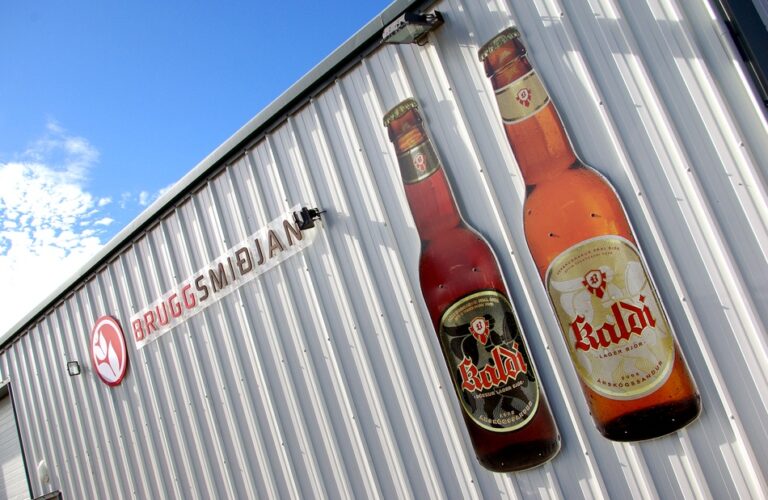
Italian bottling technology meets Icelandic craft beer: the case of Kaldi Brewery
Today, competition in packaged goods is no longer measured solely on the performance of the content. It is measured on the ability of the product system to build meaning, differentiation and industrial consistency. In this scenario, packaging is no longer a technical support, but a strategic infrastructure that connects production, brand and market. Gentlebrand, part…
Functionality, stability and sustainability from new starch technologies: this is the key takeaway from a study by Vilela and colleagues, which analyses the emerging applications of this substance in the food & beverage sector, with a particular focus on the alcohol segment
Yeast-based biosensors represent a versatile and low-cost analytical platform with significant potential for early contaminant monitoring in the beverage industry. The challenge now is to translate this innovation into industrially validated solutions
The integration of advanced sensors and artificial intelligence holds the promise of sophisticated process control, but industrial validation and shared standards are needed
A study demonstrates a noninvasive optical technique, using near-infrared fluorescence and a special lens geometry, capable of distinguishing red wines through sealed green glass. A single 785 nm source is sufficient to unmask fraud
In the bottling sector, labels are increasingly becoming technical components as well as communication tools: they influence print yield, line stability, bottle washing cycle management, resistance in humid environments and compatibility with recycling processes. They are no longer merely a graphic and communication element applied downstream, but a functional part of the packaging system. This…
In the heart of Chianti Classico, Castello di Verrazzano commands respect for its remarkable historical continuity. A thousand years of presence in the area is not just an evocative element: it is a production system that has evolved without ever losing its core identity. The estate covers approximately 250 hectares, 50 of which are planted…