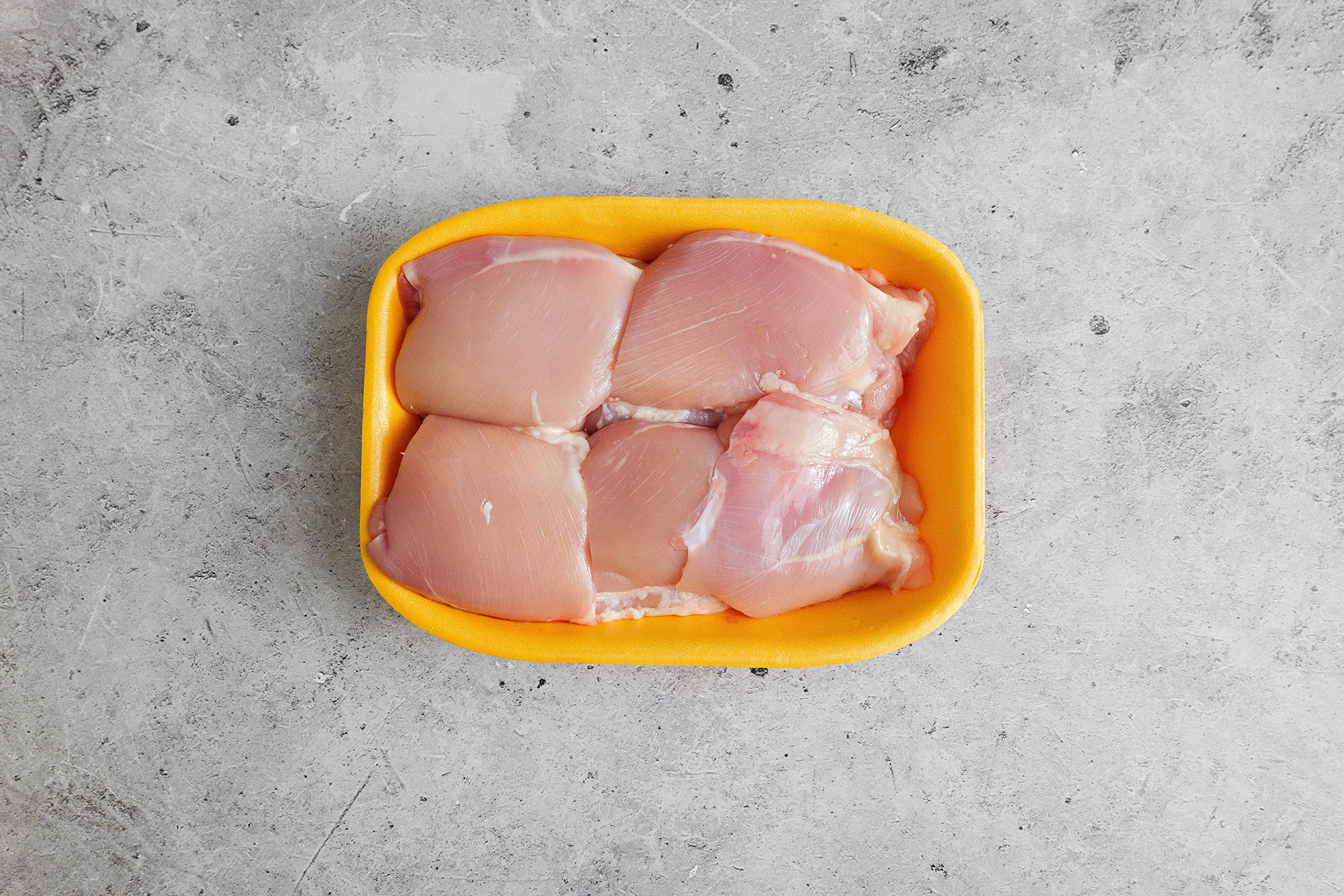
Assessing the freshness of chicken meat is crucial for food safety; however, it presents challenges such as high costs, detection difficulties, and low efficiency.
A recent study by a group of Chinese researchers (Jian et al., 2025) aimed to use a deep-learning algorithm as a non-destructive method for this assessment, based simply on the analysis of images.
Using the total aerobic count (TAC), coliform count (ANC), and pH value, the product’s freshness was categorized into seven levels (fresh, slightly fresh 1, slightly fresh 2, slightly fresh 3, spoiled 1, spoiled 2, and spoiled 3).
The dataset was expanded through eight types of data augmentation, resulting in a total of 34,380 samples.
In summary, the results demonstrate that the proposed method can classify samples according to their freshness level with an accuracy of 95.6%, under various lighting conditions.
Bibliographic references: R. Jian et al., Scientific Reports, 15, 2025, 27538.