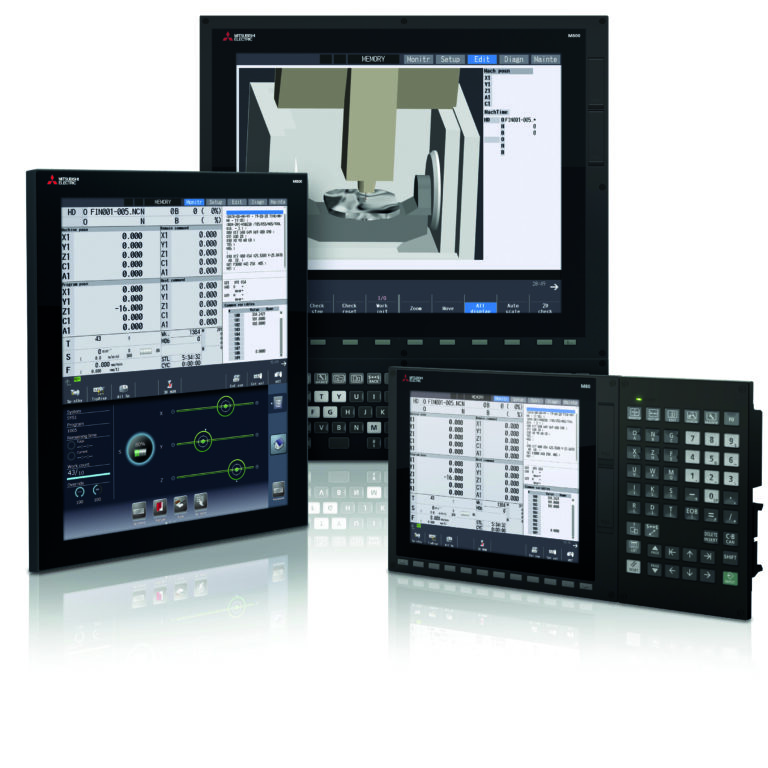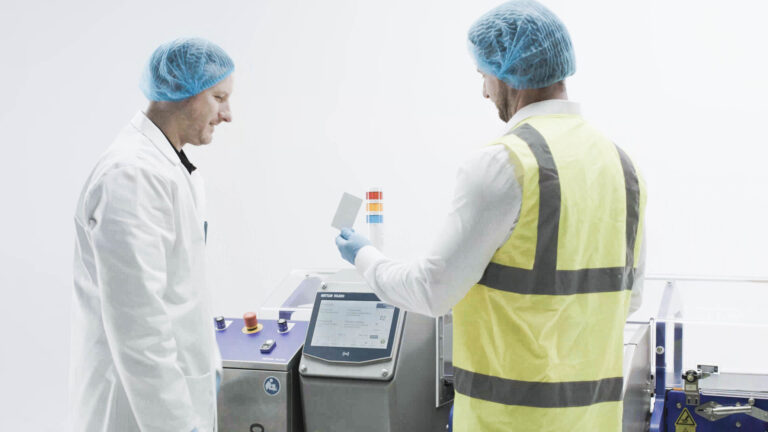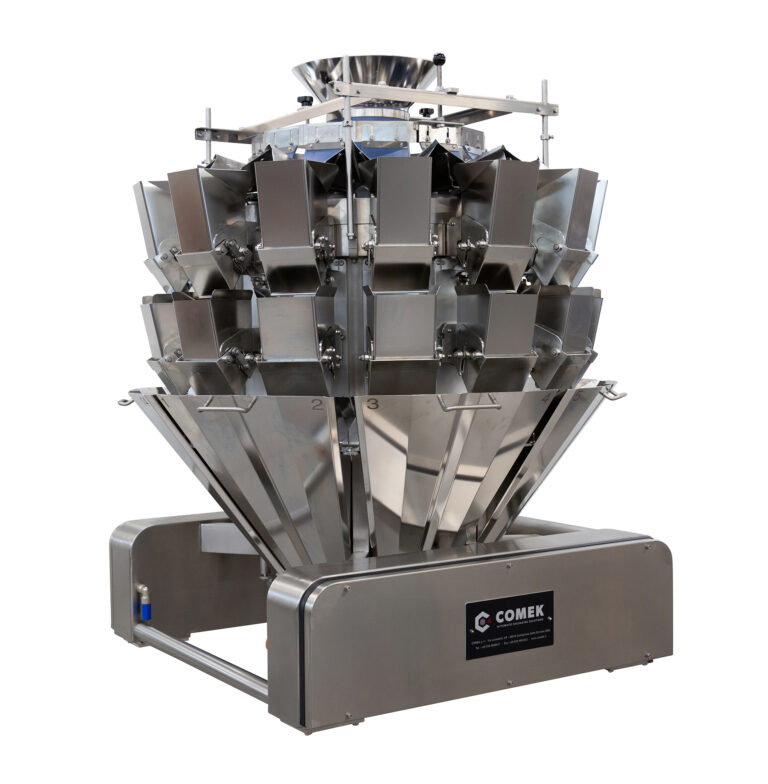
The food industry remains one of the most heavily regulated manufacturing sectors and, at the same time, one where the electronic content of machinery has grown most rapidly. From processing systems and packaging lines to industrial ovens and refrigeration units, every machine must meet requirements for reliability, safety, and operational continuity—translating into stringent specifications for control electronics. This is the arena in which EAS operates, partnering with manufacturers to develop and produce circuit boards and supervisory systems.
Process control is moving to the machine
Food processing machinery requires systems capable of managing complex operational sequences, monitoring critical parameters, and documenting processing conditions. Automated lines, packaging systems, cold storage units, blast chillers, and professional ovens all share the same need: electronics that regulate the process, detect deviations, and make data available for downstream use. The expertise required of the supplier extends beyond hardware to the translation of application requirements into verifiable control architectures.
Customized forms and co-design
Since every system has unique requirements, supplier involvement tends to shift to the early stages of the design process. EAS develops custom circuit boards, control and supervision systems, sensor integration, motor and automated axis management, IoT functions, and industrial connectivity, in addition to providing support for industrialization. The goal is to offer scalable platforms for machine variants without having to redesign the electronics from scratch.
Automation, data and predictive maintenance
Precision, traceability, and reduced equipment downtime are the benchmarks for the competitiveness of food processing machinery. Electronic systems must enable real-time monitoring, consumption optimization, structured data collection, and predictive maintenance. It is the integration of electronics, sensors, and software that allows for connectivity with factory systems in line with Industry 4.0 models, transforming formerly standalone equipment into connected nodes within a production line.
Industrial refrigeration and the cold chain
Maintaining the cold chain remains critical for food safety: equipment must ensure precise temperature control and continuous operation, even under demanding conditions. For manufacturers of cold rooms, blast chillers, cooling tunnels, and refrigeration systems, EAS electronics handle temperature regulation, performance monitoring, energy optimization, and alarm management—delivering reliability commensurate with a service that allows for no interruptions.
Industrial ovens and cooking systems
Industrial ovens have also raised the bar for control capabilities. Precisely managing temperature, humidity, processing times, and energy consumption serves as a key differentiator between machines; custom-engineered solutions integrate these functions without compromising the operator interface, thereby enhancing process uniformity.
The beverage sector: dosing, filling, bottling
In the beverage industry—where high volumes and rigorous standards make process control critical to line yield—manufacturers handle mixing, dosing, pasteurization, filling, bottling, labeling, and packaging. The applications developed include control systems for bottling lines, electronics for dosing and mixing, instrumentation for measuring temperature, pressure, and flow, automated cycle management, and remote monitoring; these provide real-time data that enable performance optimization—rather than merely recording deviations—across production lines ranging from mineral water and soft drinks to beer, wine, and milk.
Assembly, testing and traceability
Design capabilities are complemented by production facilities covering SMT and THT assembly, functional and automated testing, full traceability, and supply chain management, handling volumes ranging from small batches to large-scale production. Having a single point of contact for both design for manufacturing and the assembly line reduces the cycle time between the prototype stage and the industrialized product.
From co-design to post-production support
EAS defines its scope of service to manufacturers through its ability to integrate design, engineering, and production: needs analysis, co-design, prototyping, industrialization, manufacturing, testing, and post-production support. The advantage for the manufacturer lies in focusing internal resources on mechanics and process technology while outsourcing electronics—and their associated lifecycle management—to a specialized supplier; in the food processing sector, this lifecycle is measured in years of operation and the obligation to ensure spare parts availability. The evolution of the food industry demands machinery that is more automated, energy-efficient, and integrated into factory systems. In this context, onboard electronics are no longer merely one subsystem among many; instead, they represent the focal point for meeting a significant portion of the plant’s performance, quality, and operational sustainability requirements.