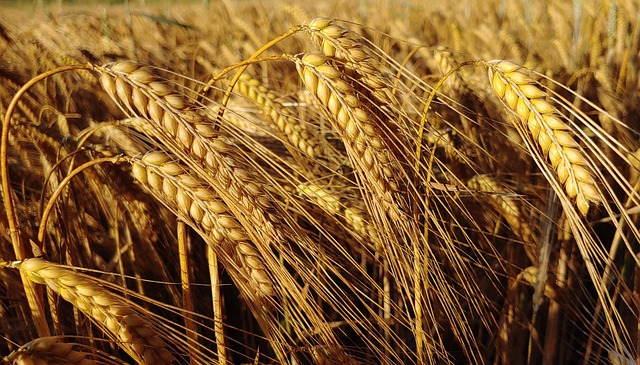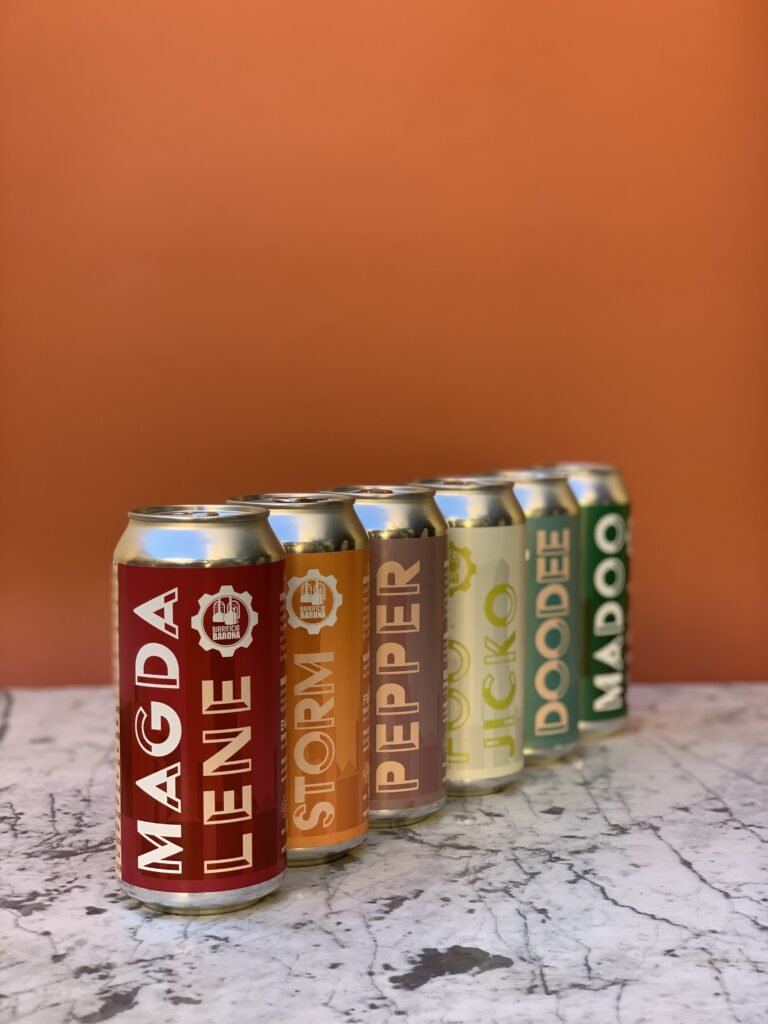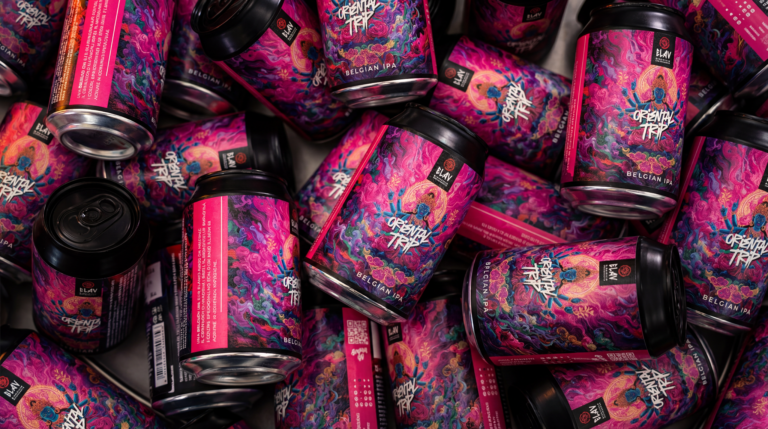
A lighter beer with a particularly stable head and notes of dried fruit, flowers and subtle hints of blueberry. It is the result of trials carried out using KAMUT® brand wheat as part of two European research projects, AlterBrew and NabLab, conducted in collaboration with the University of Ghent.
The results come on the eve of Oktoberfest, which is scheduled to take place in Munich from 19 September to 4 October. While millions of people celebrate one of the world’s best-known brewing traditions, research is instead looking at how grains other than barley could help shape the beers of tomorrow.
The first project, AlterBrew, experimented with the use of unmalted Khorasan wheat in the production of a traditional beer.
The pilot beer, made with 40% KAMUT® brand wheat and 60% barley malt, stood out for its lighter colour, smooth body and, above all, its compact and particularly stable head. The flavour profile also exhibited distinctive characteristics, with notes of dried fruit, flowers and blueberry. However, the trials also revealed another interesting aspect: KAMUT® brand wheat proved easy to use in the production process, requiring no special preliminary treatment and performing well during filtration. From there, the research moved on to one of the most dynamic categories in the industry: non-alcoholic beer.
With the NabLab project, the researchers studied the characteristics of KAMUT® wheat in relation to one of the main challenges of non-alcoholic beers: achieving a balanced flavour, avoiding excessive sweetness and the typical aromas of under-fermented wort.
The results showed particularly low levels of certain simple sugars compared to the other grains analysed, an interesting characteristic because it could help to limit the sweetness of the final product. Aromatic analyses also revealed a lower presence of certain compounds associated with wort and oxidation aromas, resulting in a cleaner and more balanced base. The research also highlighted an aspect that needs to be explored further from a production standpoint: the high presence of proteins that promote foam can cause it to form abundantly during boiling. This is a characteristic that needs to be managed in the breweries but which, once in the glass, helps to produce a rich and stable head.
“For 40 years, we have continued to study this wheat and discover new ways of using it. Research has always been an important part of our journey, and projects like AlterBrew and NabLab allow us to explore applications that, until a few years ago, we might not even have imagined,”comments Trevor Blyth, President of Kamut International and Kamut Enterprises of Europe. “It will be interesting to see where these results lead us and whether, in the future, they can contribute to the creation of new products that combine tradition and innovation.”
And while Munich is preparing to celebrate beer in its most traditional form, laboratories are already experimenting with ingredients and flavours that have yet to be discovered.