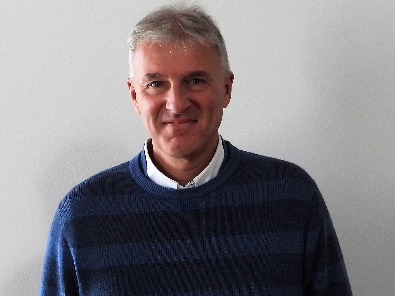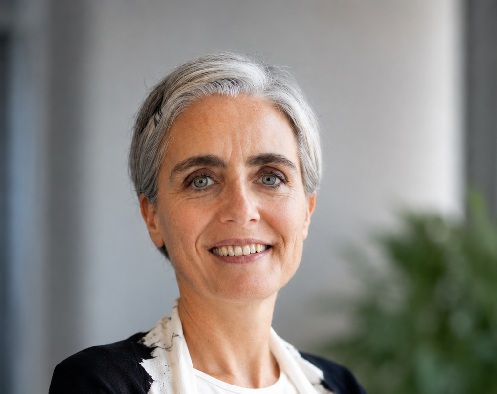
Two years ago, I wrote an editorial on the possible roles and faults of the food industry in relation to obesity. That short text led to me being contacted by the director of Radio Parlamentare and being involved in the event “Obesity, the necessary turning point. Recognise it. Prevent it. Treat it.”, last November in Rome at the ISMA room of the Senate of the Republic.
. In addition, the Ministry of Health’s 2026 Policy Document, signed on 9 January 2026, outlined the strategic policy priorities for the National Health Service (SSN), placing a strong emphasis on prevention, sustainability and the “One Health” approach (interconnected human, animal and environmental health), with point 10 “Promotion of healthy lifestyles and relationships with the ecosystem, in particular through policies aimed at promoting a culture of mental health” and point 11 “Strengthening food security and investing in nutrition: a priority for the health and sustainability of the SSN”.
That first event was followed by the launch of a national campaign on obesity – the necessary turning point, promoted by Radio Parlamentare and the CNEL Working Group on the Promotion of Lifestyles and Food Education – and it was an honour for me to be able to contribute by managing the scientific organisation of an event within this campaign last June.
For this day, I chose the subtitle “a shared commitment“, with the aim of raising awareness about the disease and what can be done not only at the clinical level but also at the level of the agri-food system. We started by talking about the clinical aspects of obesity, the main causes and mechanisms, the possible therapeutic approaches (nutritional, behavioural, pharmacological, clinical), the differences in approach for population segments and the (rapid) evolution of the phenomenon at a global and local level. This was followed by presentations aimed at providing an overview of how the agri-food system, from the production of raw materials to their distribution and processing, including research, reformulation approaches and food education, and also, why not, possible marketing strategies, can contribute to the prevention and mitigation of obesity. Finally, there was a collection of testimonies on initiatives, both local and otherwise, aimed at promoting healthier lifestyles, including in the catering and commercial food services and in the food industry. Like many of the speakers and, I hope, the participants, I took home the desire (and the promises) to continue to deepen and improve this multidisciplinary dialogue between the medical, academic and production worlds in an increasingly constructive way, and the awareness that there is still a lot to be done to disseminate correct information to the public. I remember, with a smile, the expressions of some of the medical speakers when I pointed out that we food technologists shudder when we hear about ultra-processed foods…