Medicinal plants have been used since ancient times for their aromatic and therapeutic properties. In many traditions, the use of aromatic herbs through the extraction of active compounds from leaves, flowers, roots or seeds is an established practice. In recent years, the growing interest in natural products has stimulated the search for new plant sources that are sustainable, safe and linked to the local area.
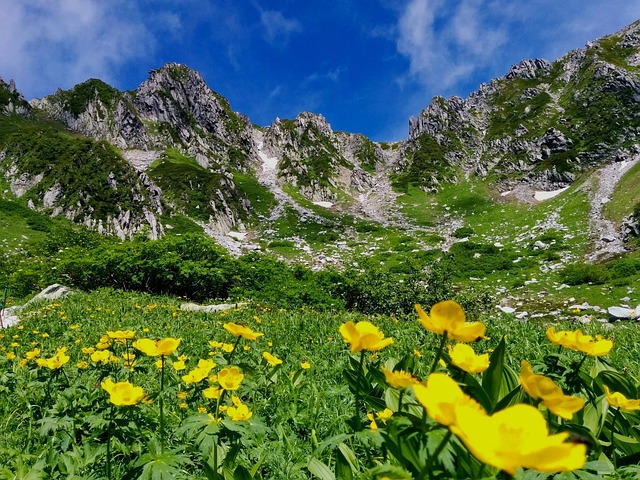
In this context, the objective of a recent study, carried out by a group of Italian researchers (Ferrentino et al., 2025), was to evaluate the enhancement and protection of biodiversity in the Italy-Austria cross-border Alpine region, through the extraction of bioactive compounds from local botanical species using green and innovative technologies, including ultrasound, pulsed electric fields and carbon dioxide under supercritical conditions.
In particular, these technologies were used to prepare extracts from over 30 alpine plants. The latter were characterised in terms of their phytochemical profile and functional properties (antioxidant, antimicrobial, anti-inflammatory and healing) using advanced analytical techniques.
The results will be used to create the first phytochemical-functional database of the cross-border region, providing a chemical and biological “fingerprint” of the selected alpine plants.
The study, which is part of an inter-university project, thus aims to transform the local botanical heritage into a resource for the development of innovative, safe and deeply rooted natural ingredients.
Bibliographical references: G. Ferrentino et al., National Conference on Food Science and Technology, Bologna, 9–10 June 2025, 56