More than 9 out of 10 Italians agree that, compared to other types of packaging, glass conveys superior quality, does not leach substances and preserves the freshness of the contents, evokes tradition and authenticity, is the safest material for health, and can be recycled indefinitely without losing its qualities. However, across several consumer categories, the stated preference for glass exceeds the actual availability of products packaged in this material.
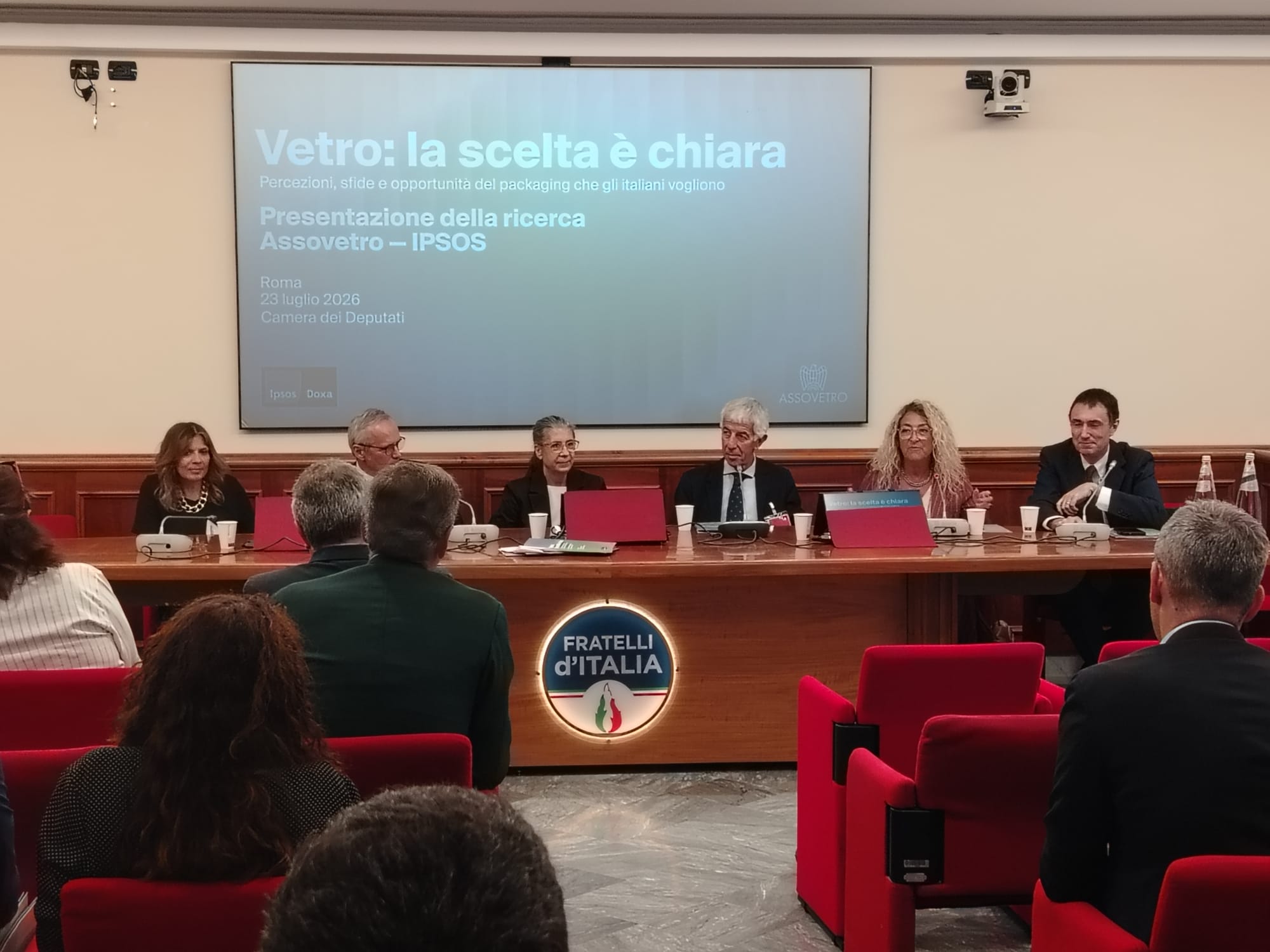
These are the findings of the Ipsos Doxa survey, carried out for Assovetro, which was presented yesterday in Rome as part of the event “Glass: the choice is clear. Perceptions, challenges and opportunities in the packaging that Italians want“.
The survey examined various areas, carrying out a comparative assessment with other materials:
- in terms of food safety, glass received 67 per cent of ‘excellent’ ratings from consumers and 68 per cent from household decision-makers;
- in terms of its ability to preserve quality and flavour, the lead exceeds 45 percentage points;
- on environmental sustainability, glass achieves 65–67 per cent of preferences, demonstrating that those who actually manage the household shopping budget have an even more positive perception of glass.
The only area where glass needs to improve is in terms of lightness.
From jams to beer
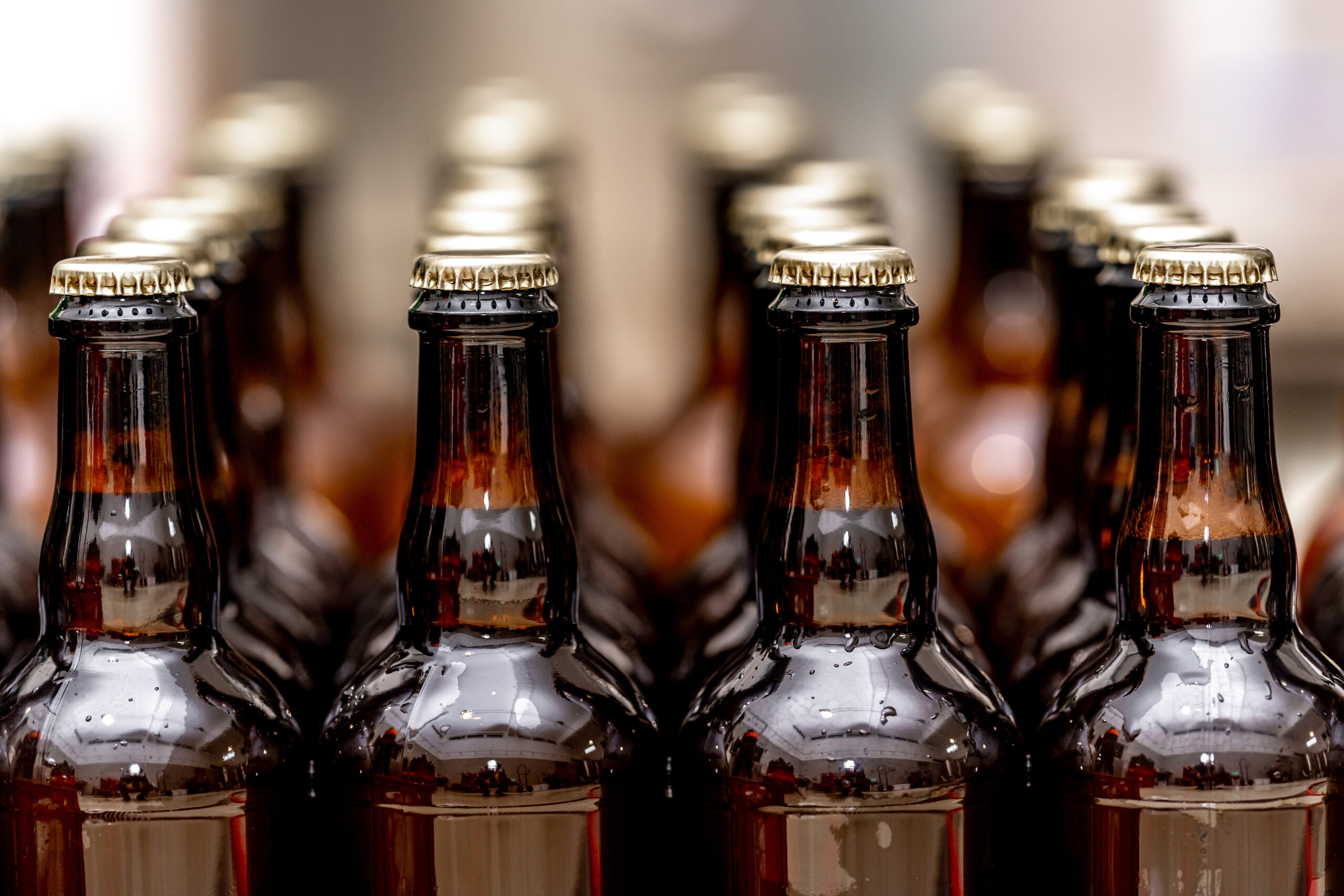
Among the food and drink products sold in glass containers examined in the study, the most popular are jams (86%–89%), olives, pickles and tinned vegetables (81%–83%) and beer (78%–78%). Reflecting the importance of the brewing sector, Alfredo Pratolongo, Director of Communications and Institutional Affairs at Heineken Italia, also took part in the meeting. “Italy”, he emphasised, “is the country that uses the most glass for beer and, consequently, the fewest cans; beer on the Italian market is premium partly thanks to the packaging”.
Demand exceeds supply
The research also highlighted a gap in unmet demand across all categories examined, especially for water, yogurt, milk, and fruit juices. Glass represents less than 15% of purchases, and in some cases, such as milk and yogurt, less than 5%. For mineral water, for example, glass purchases account for 8%-9%, but 43% of citizens and 47% of purchasing managers believe glass is the most suitable material.
More than 8 in 10 Italians also want more glass even where they can’t currently afford it, and the percentage rises even higher for purchasing managers. One in two Italians (49%), however, said they had given up glass in the last twelve months. Among the primary reasons, aside from price, is the lack of availability of glass products (17%-14%).
The research also highlighted the perceived critical issues of glass packaging, which over 7 in 10 Italians identified as fragility and the risk of breakage.
“The survey sends a very clear message: for Italians, glass is not a material of the past, but a contemporary, conscious, and valuable choice“, said Vitaliano Torno, President of Assovetro. “Consumers“, he added, “demand quality, safety, and verifiable sustainability. Glass meets these expectations, and the Italian industry is ready to do its part. Transforming this growing preference, however, requires a shared vision and commitment across the supply chain: producers, food and beverage companies, retailers, and institutions must work together to ensure glass is increasingly accessible and present in everyday choices“.
Returnable containers rarely used
88% of citizens support returnable containers, but while three out of four Italians are aware of them, only one in four has used them. Among the incentives, economic factors dominate, with adequate reimbursement in first place (41%-45%), followed by the convenience of collection points (34%-33%) and a bonus on subsequent purchases (32%-35%).
“The most significant finding is not just the appreciation of glass, but the gap that still exists between what citizens would like to find and what they actually find today“, said Walter Da Riz, Director General of Assovetro. “Bridging this gap“, he continued, “means creating value for consumers, businesses, and the country. It means investing in innovation, strengthening circularity, improving the presence of glass in retail outlets, and supporting an Italian industrial supply chain that continues to demonstrate competitiveness even in a complex environment“.