The European Food Safety Authority (EFSA) has established a new tolerable weekly intake (TWI) of 0.6 picograms per kilogram of body weight per week for combined exposure to dioxins and dioxin-like PCBs. This value, determined using the World Health Organisation’s (WHO) 2022 toxic equivalency factors (TEFs), is three times lower than the TWI established in 2018.
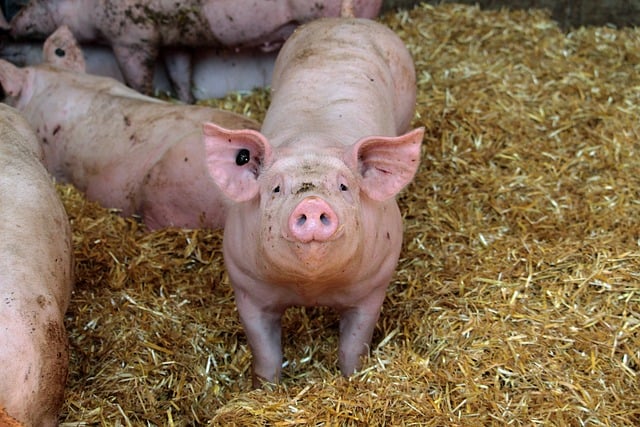
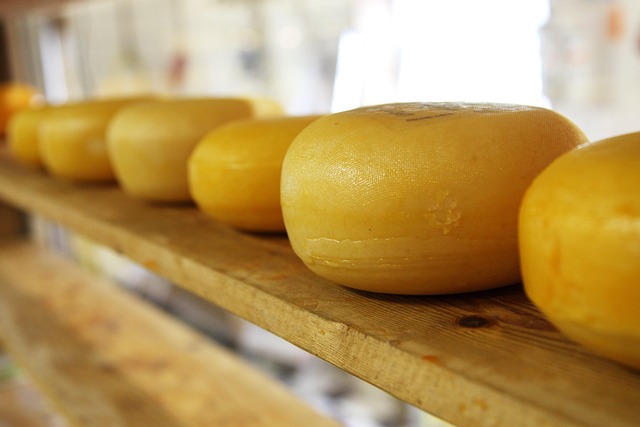
Dioxins and dioxin-like PCBs are persistent environmental contaminants that accumulate in the food chain and are found mainly in foods of animal origin, particularly milk and dairy products, meat and fish.
The health-based reference value identified by EFSA is based on effects on male reproductive development and is supported by evidence derived from both animal studies and human data.
The European Food Safety Authority has found that dietary exposure among the European population exceeds the new TDI across all age groups, with the highest exceedances observed in children and adolescents. It therefore recommends:
- developing TEFs that are more relevant to humans;
- further improving toxicokinetic models for humans;
- collect more data on contamination levels in plant-based foods;
- collect further data on the presence of these substances in human milk and blood, from a wider range of European countries.
Taking into account the EFSA’s findings, the European Commission and the EU Member States will draw up dietary guidelines and review the existing maximum levels, whilst also taking into account the revised TEFs.