Is reuse worthwhile? To answer this question, the study by Issifu and Sumaila compares different packaging systems to understand whether reusable models can offer tangible environmental and economic benefits throughout the entire life cycle.
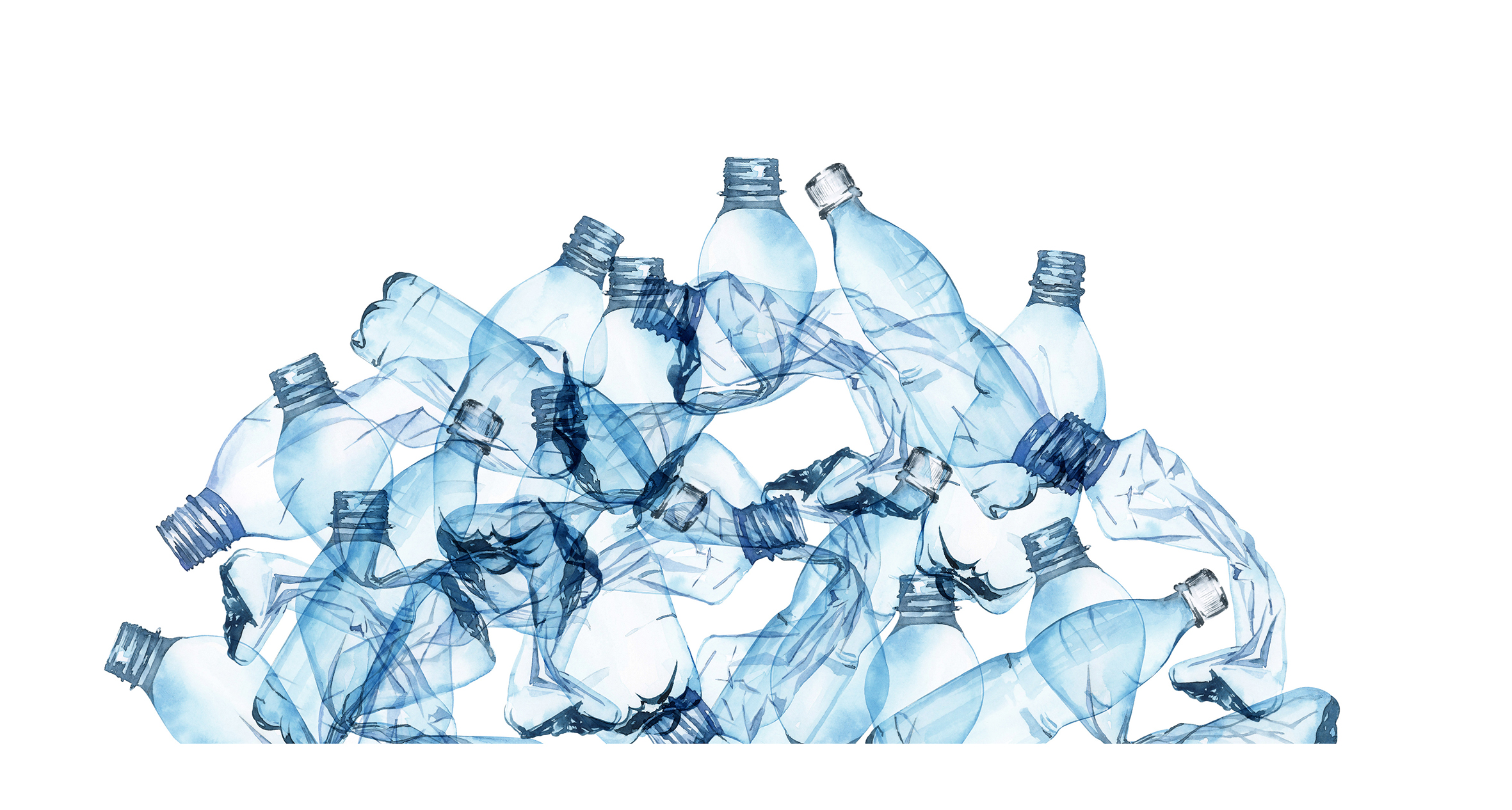
The research uses a Life Cycle Assessment (LCA) approach to compare seven types of packaging: reusable glass bottles, reusable PET bottles, reusable PP cups and various single-use PET solutions, with or without recycled content. The analysis takes the distribution of 330 ml of beverage as a reference, assessing carbon emissions, energy and water consumption, waste generation and costs throughout the entire life cycle.
The results show that reusable systems generally have lower environmental impacts than single-use alternatives. For example, reusable PET bottles perform well, especially due to lower transport-related emissions compared to glass.
Reusable glass bottles can achieve very favourable results when reuse cycles are high and return logistics are efficient. In contrast, single-use PET solutions, especially those without recycled content, have the greatest impact, mainly due to the use of virgin raw material and the limited life cycle.
The study also shows that factors such as the number of reuses, transport distance, energy used and percentage of recycled material have a decisive influence on environmental performance. Overall, the results indicate that the development of reuse infrastructure and efficient return systems can be a strategic lever to reduce the environmental footprint of packaging in the beverage sector.
Bibliographic references: Ibrahim Issifu, U. Rashid Sumaila. Is reusable beverage packaging better than single–use plastic? Sustainable Futures, Volume 10, 2025, 101275, ISSN 2666-1888 https://doi.org/10.1016/j.sftr.2025.101275