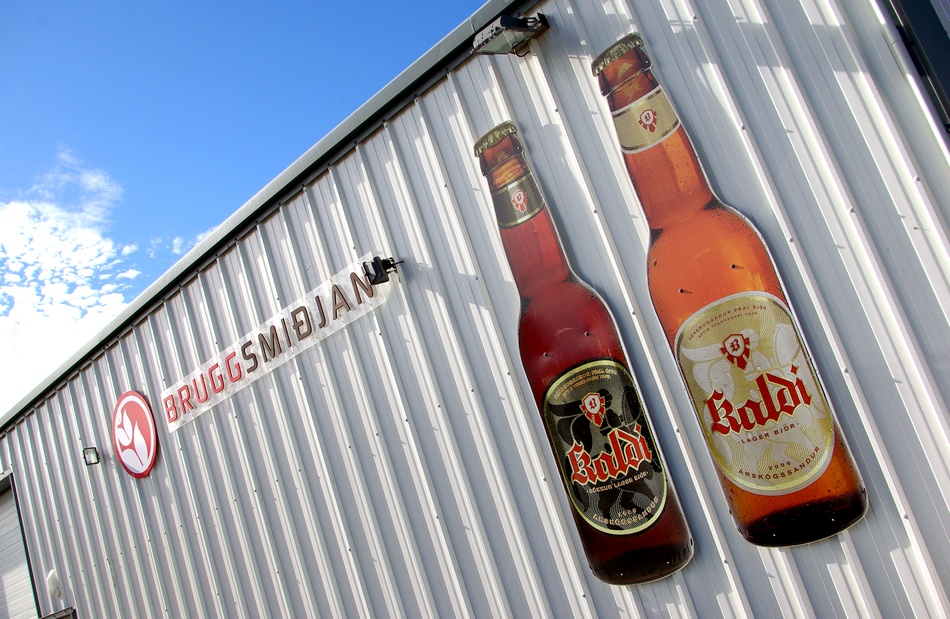
When it comes to bottling technology, Made in Italy proves that it has no geographical boundaries, supporting craft beer production even in the heart of Iceland. Here, Made in Italy speaks the language of CIMEC based in Nizza Monferrato (AT). The context for this story is Kaldi Brewery, founded in 2006 in the small village of Árskógssandur, in northern Iceland, the country’s first microbrewery. In a market then dominated by only two large industrial producers, the birth of Kaldi marked a cultural turning point even before a productive one.
Master brewer Sigurður Ólafsson recalls: «Before Kaldi, there were only two industrial breweries in Iceland, and we felt that quality was not at the heart of the country’s beer production». This gave rise to the idea behind Kaldi: to refocus attention on beer, raw materials and a process that is controlled at every stage. From the outset, production focused on Pilsner and Ale for the domestic market, with a rigorous craft approach and strict process control. At the same time, the brewery grew alongside the Icelandic craft movement, which developed rapidly over the years. «Kaldi has remained Iceland’s largest craft brewery since 2006, even though there are now around 30 breweries operating in the country», Ólafsson points out. For many years, the only format was the amber glass bottle, chosen not only for tradition but also out of conviction. «We have always believed that a quality beer should be served in an amber glass bottle», says the master brewer. Over time, however, the Icelandic market has also followed a trend that is now evident internationally. «The market has changed a lot over the last ten years: cans have become a much more popular format than bottles». Kaldi therefore chose not to abandon glass but to complement it by building a production facility capable of handling both formats. Today, around 70% of production is packaged in cans and the remaining 30% in bottles.
A technological choice that accompanies the history of the brewery
In this journey, bottling has never been considered a simple final step, but a strategic phase. This is why Kaldi chose from the outset to rely on a single technological partner: CIMEC. The collaboration began in 2006 with the installation of a complete line for glass bottles. The choice was not accidental. «When we started Kaldi, our first master brewer, David Masa from Prague, already had experience with CIMEC lines and suggested we invest in a line from the same company with a capacity of 3,000 bottles/ hour». Although this is no longer a recent installation, that line has accompanied the brewery’s growth for almost twenty years, maintaining operational reliability and consistent quality.
From glass to can: a transition without compromise
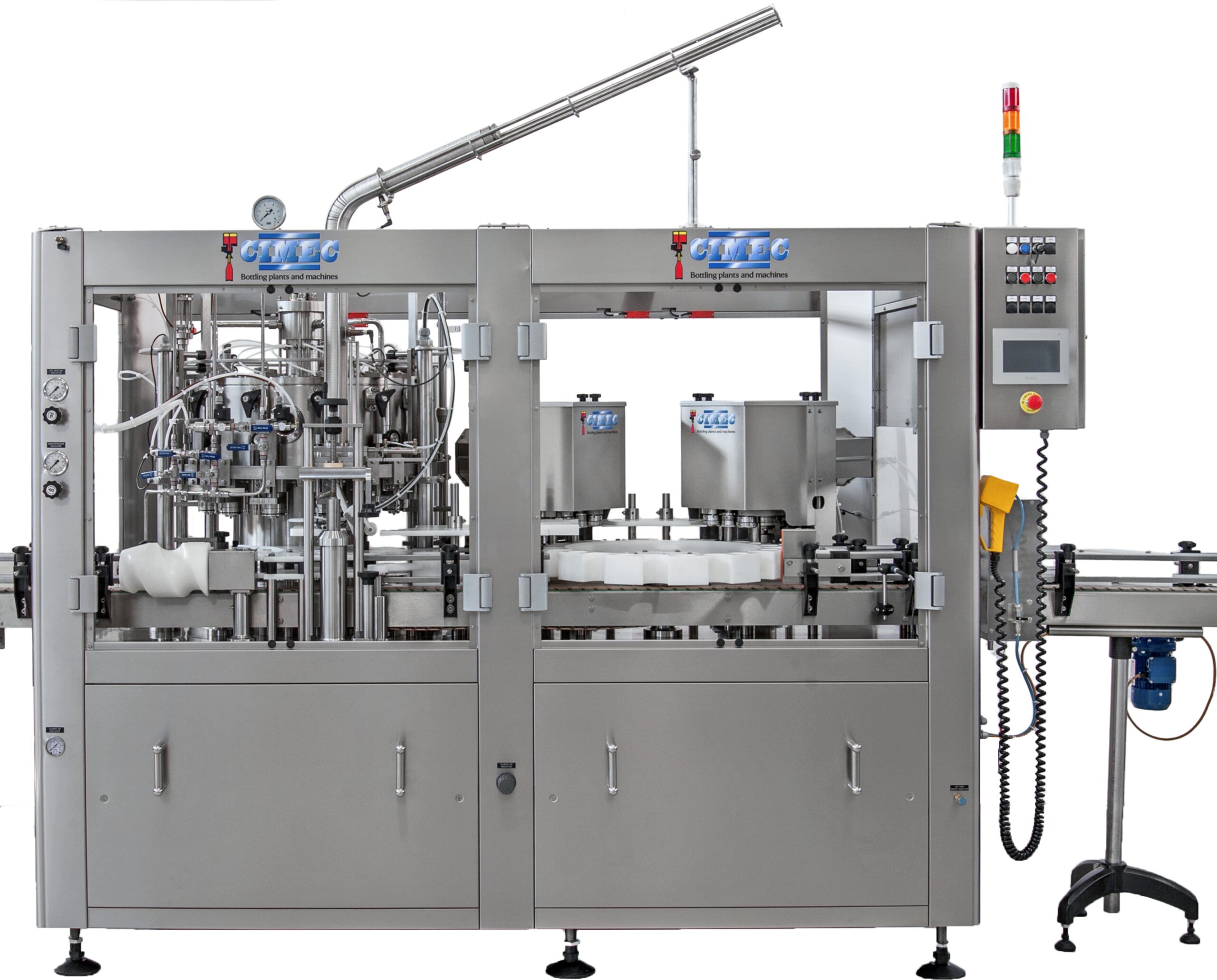
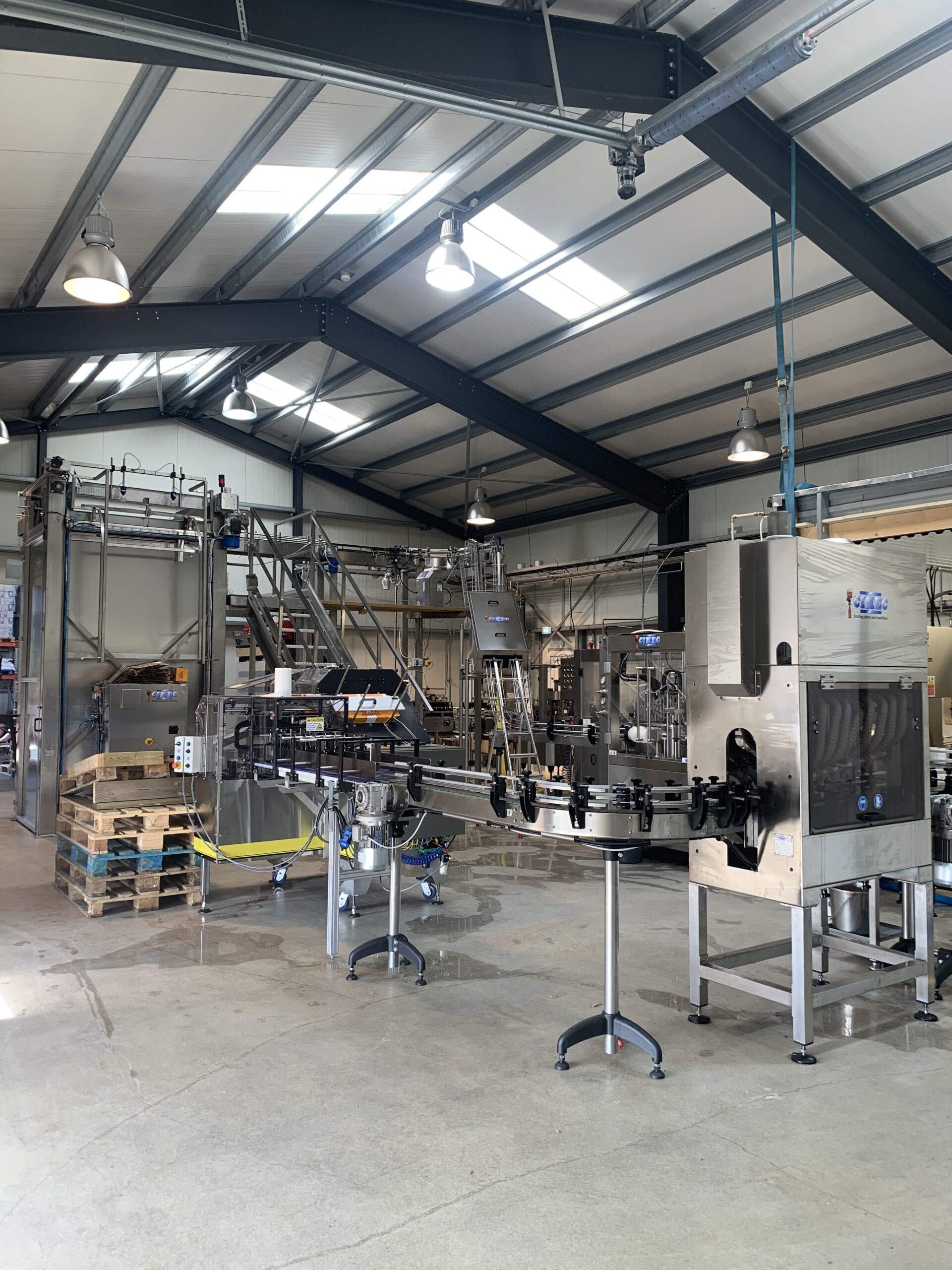
The switch to cans took place between 2019 and 2020, when Kaldi decided to invest in a new line capable of meeting very specific requirements: a real capacity of around 3,000 cans/ hour, continuous operation, low residual oxygen levels and integration in r limited production spaces. «We wanted to be able to serve our customers with both bottles and cans – explains Ólafsson – and so in 2019 we began discussions with our long-standing partner, CIMEC, to evaluate the available solutions». In 2020, a complete canning line supplied by CIMEC came into operation. «In the spring, we received our 3,000-cans-per-hour can filler, and it has been working for us with great success ever since».
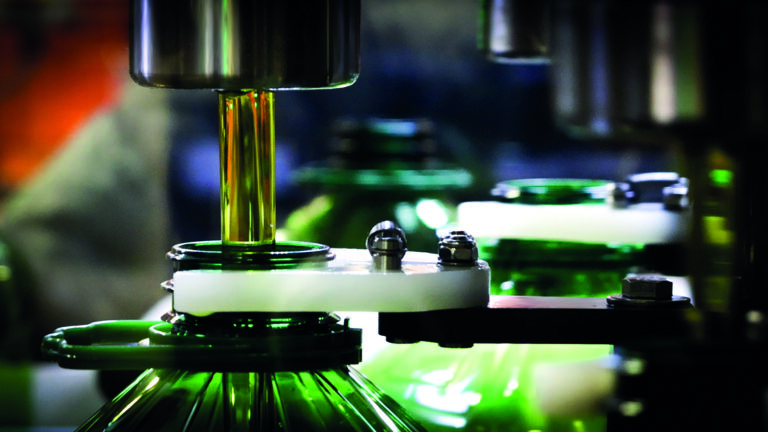
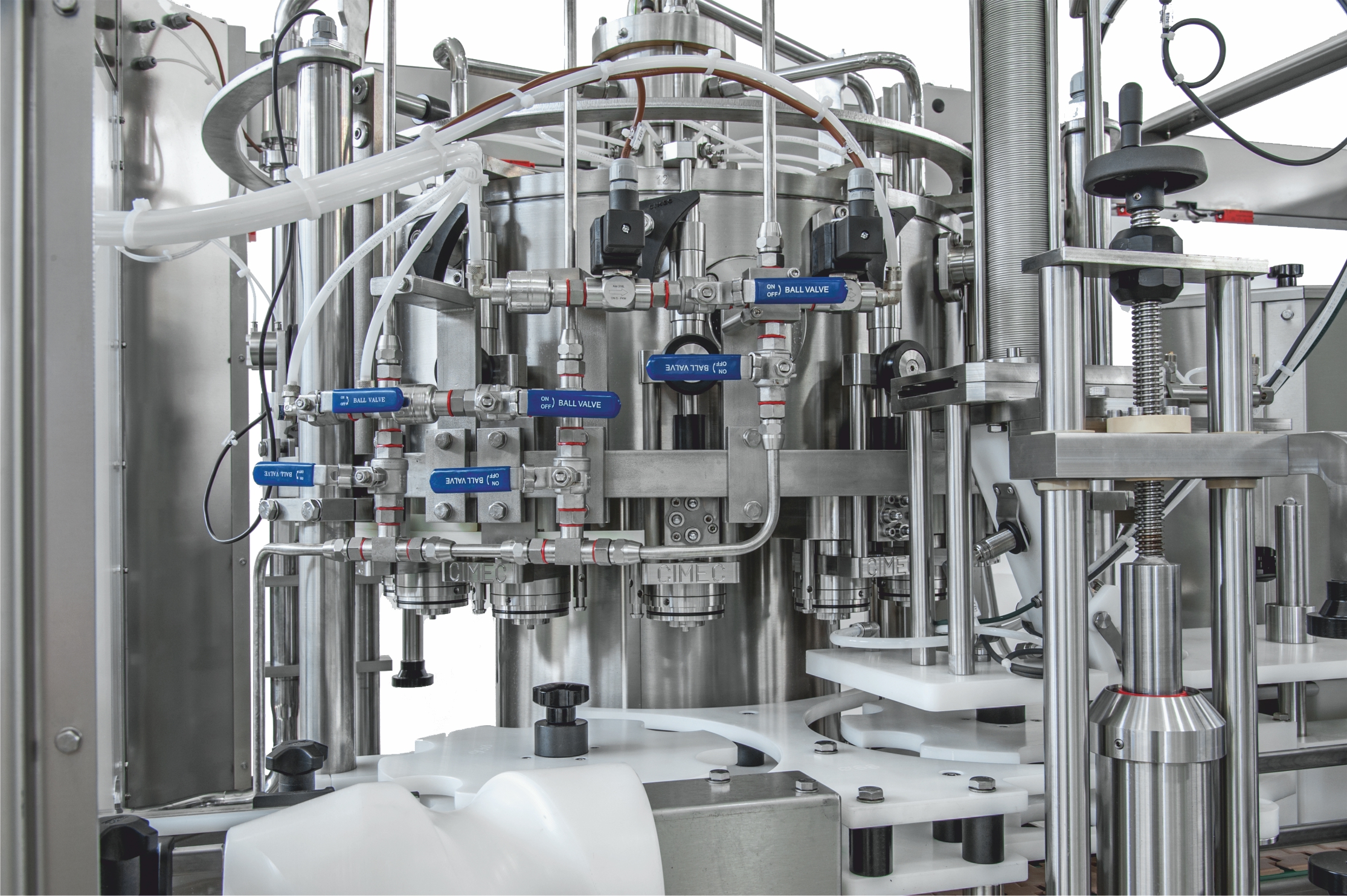
The line includes a depalletiser, rinsing machine, isobaric filler, seaming machine with double seaming system and dryer. One of the most appreciated aspects is the correspondence between nominal capacity and actual performance. «Many other manufacturers we evaluated offered a nominal capacity of between 1,700 and 2,500 cans/hour, but then in actual production, they stopped well short of that. With CIMEC, this is not the case, and we are able to work very close to the stated nominal value». Today, Kaldi fills around 4 million cans per year, maintaining high speeds without overloading the system. Isobaric filling ensures very low oxygen levels, protecting the quality of the beer. «This allows us to maintain the quality of our beers at the highest possible level». Ólafsson describes double seaming as “a real game changer”, crucial for sustaining the volumes demanded by the market.
Comparing solutions
Before purchasing, did Kaldi consider other solutions besides CIMEC? Ólafsson replies: «Since 2006, we have only worked with CIMEC lines. But over the years, we have visited many breweries in Iceland and abroad and attended numerous trade fairs, seeing many different bottling lines in operation». Kaldi therefore had a comparison in the field: indirect but still useful for reinforcing the technical evaluation: «I believe that CIMEC has a real advantage in terms of construction quality, components and, above all, the actual output of finished products». The fact that Kaldi continues to maintain the declared performance over time, both on the bottle line and on the can line, is considered a clear indicator of the quality of the systems. «The double seaming system, in particular, has been a real turning point for us: it is what allows us to sustain the volumes demanded by our market».
Bottling, layout and operational management
The installation of the can line required significant design work, partly due to space constraints. «We had many specific requirements and dimensional limitations – says Ólafsson -. CIMEC managed all this through an intense exchange of layouts and drawings, ensuring that the line would fit into the space and that the output would be as desired». From an operational point of view, the structural similarity between the 2006 glass line and the 2020 can line made learning easier. «Why change what works? – observes the master brewer -. The similar structure of the two lines made it much easier to switch from one to the other». All staff are able to operate the machines in their daily activities, while more advanced maintenance is handled by the in-house technician in coordination with CIMEC.
A long-term partnership
Almost twenty years after the first installation, Kaldi Brewery’s experience shows that bottling is also a strategic lever in the craft world. «We would recommend CIMEC to any brewery without hesitation – says Ólafsson – especially after seeing others invest in cheaper solutions with often disappointing results». A story of continuity, reliability and consistent technological choices, in which bottling lines become an integral part of the value of beer.