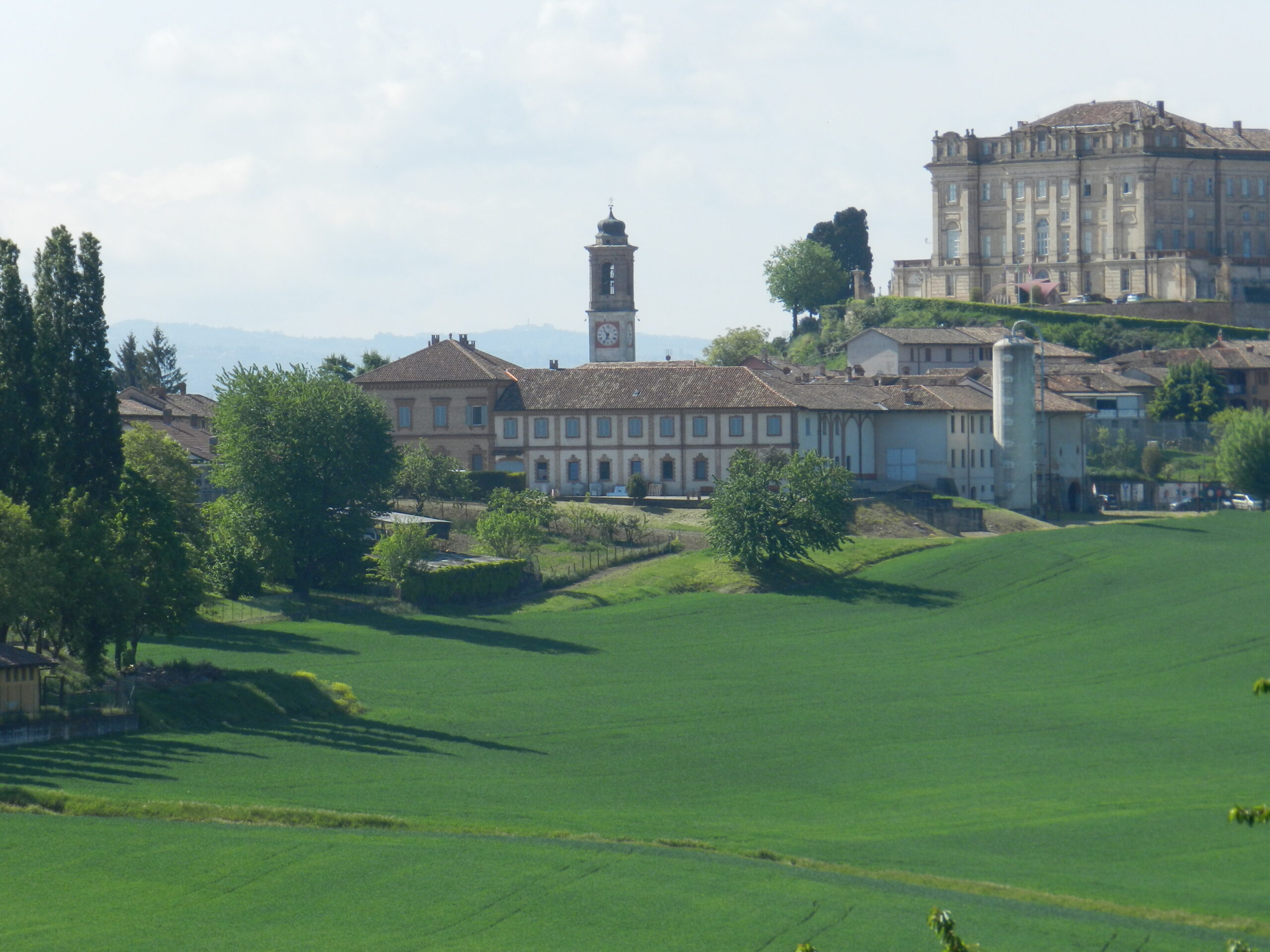
Production is not as a static sequence of phases, but as a dynamic, open system that is constantly monitored and fine-tuned: this is the approach that has accompanied Birrificio Artigianale Alba since its inception and which still today represents the key to understanding the entire business, whose production site is located in Guarene, in the province of CuneoLocated in the hills at the foot of the town’s majestic castle in a wing of the ancient “Cascina del Conte”, a very charming courtyard structure dating back to 1700, the brewery takes its name from the town it overlooks and is characterised by large brick vaults that house the production facilities. The brewery produces around 300 hectolitres of beer per year, exclusively for the HoReCa channel, a choice that allows direct control over the positioning and rotation of the various products. The organisational structure is minimal – two partners directly involved in all activities and a single employee – as is the marketing, which takes place through direct sales and a few beverage distributors, without going through large-scale distribution.
The rule is to question yourself
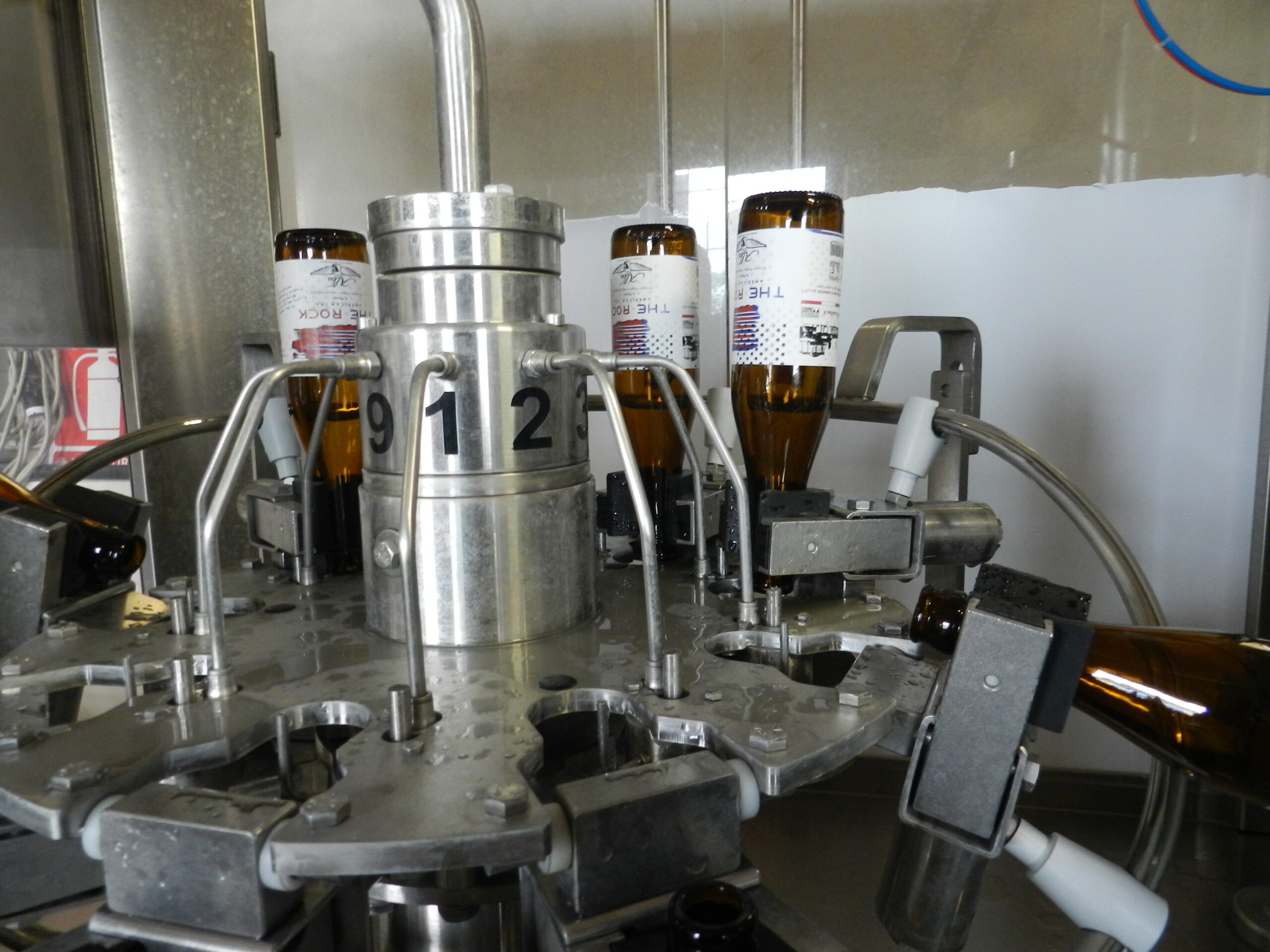
«The primary strategic choice that continues to make us grow is our care for the product – says Alessandro Accossato, equal partner in the brewery -. We are very demanding and are not afraid to identify our weaknesses: the reaction to this awareness is always continuous work on our improvement, both from a technical and technological point of view». This attitude has also consistently guided the development of the range, which now consists of nine bottled beers, each built around a precise and recognisable identity. In this process, the constant attention to the territory has found an effective synthesis in the development of Italian Grape Ale, introduced in 2019, a style that the brewery has chosen to embrace naturally, given its location in an area with a strong wine-growing tradition. The use of local grapes has led to the creation of two distinct versions, one with white grapes and one with red grapes, obtained respectively from Arneis and Moscato musts and Barbera must, which for four consecutive years have been recognised by Unionbirrai as the best Italian Grape Ales in production in Italy. This result confirms the consistency between the production vision and the ability to execute it. The same logic led to the creation of the non-alcoholic beer Sobria: «At the beginning of our history, when people asked me if we had ever thought about making a non-alcoholic beer, I smiled. Over time, however, the comparison with market needs and a specific consumer group led us to identify a specific niche for this product».
From manual bottling to the production line
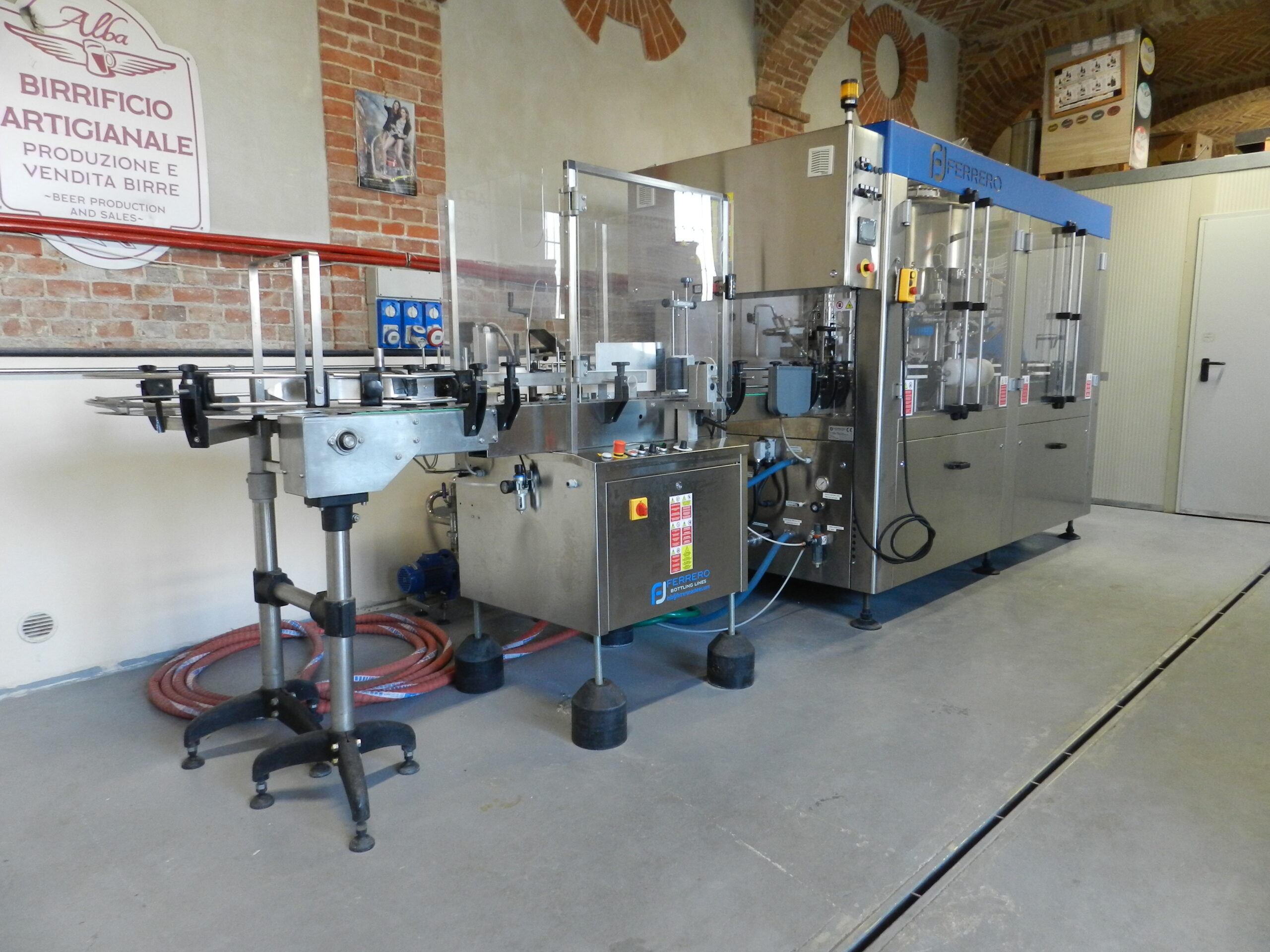
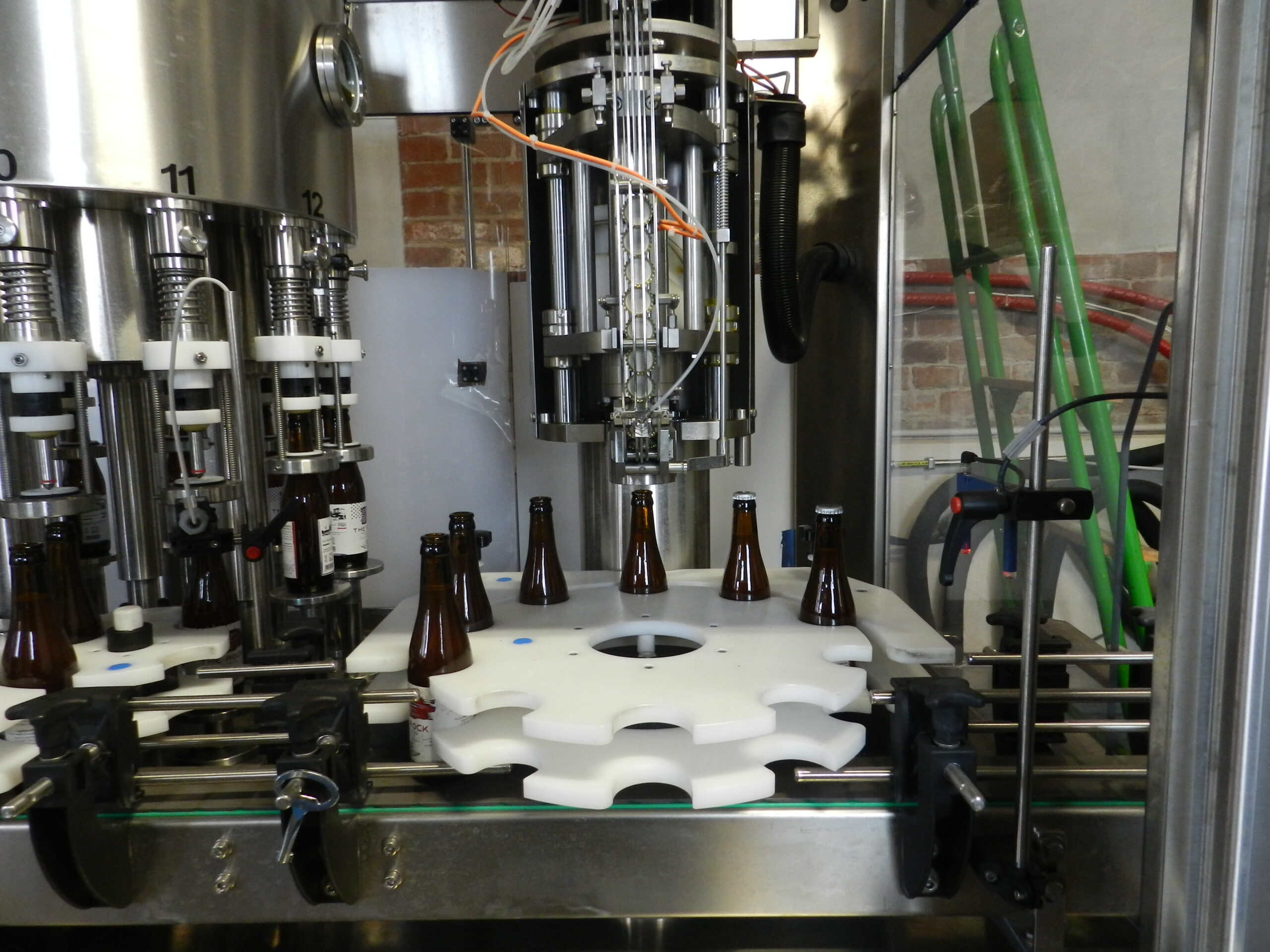
The evolution of bottling represents one of the most significant turning points in the history of the Piedmontese company. «Contrary to popular belief, the advantage of filling using a machine is not only quantitative, but also qualitative», emphasises Accossato. The transition from manual procedures to a structured line stems from the awareness that packaging can compromise or, conversely, preserve the work done up to that point. The first machine purchased was the Enos Miryam labelling machine in 2015. Originally, the system included basic labelling components, with a fixed speed of approximately 800 bottles/hour and the application of front and back labels on a single reel. In 2017, a printer was added to indicate batches and expiry dates, a fundamental element in ensuring product traceability, and in 2025, the labelling machine was further upgraded with a modification to the pneumatic gates and the addition of photocells and a speed variator that increased the printing speed, bringing the capacity to approximately 1,850 bottles/hour. The real technological leap took place in 2021, with the installation of the Ferrero Engineering monoblock bottling machine from Canelli (AT). The line, which operates at ambient pressure and is connected in series after the labelling machine, allows a maximum production of approximately 2,200 bottles/ hour to be achieved. It processes 33 cl Vichy APO and 75 cl Belgien type bottles and is structured in several integrated stations: a nine-nozzle rinsing carousel with a closed recirculation circuit for bottle sanitisation, a station equipped with a pump for creating a vacuum and injecting CO₂ or inert gas, a twelve-nozzle filling carousel and a capping station.
Fundamental rinsing and vacuum creation
The path of the bottles along the bottling line is designed to minimise exposure to air and possible sources of contamination. The bottles are placed manually on the rotating collection plate and from there they are aligned on the conveyor belt towards the labelling machine. Once the label has been applied, the belt transfers the bottles to the rinsing machine, which turns them upside down and rinses them, allowing the sanitising liquid to drain completely.
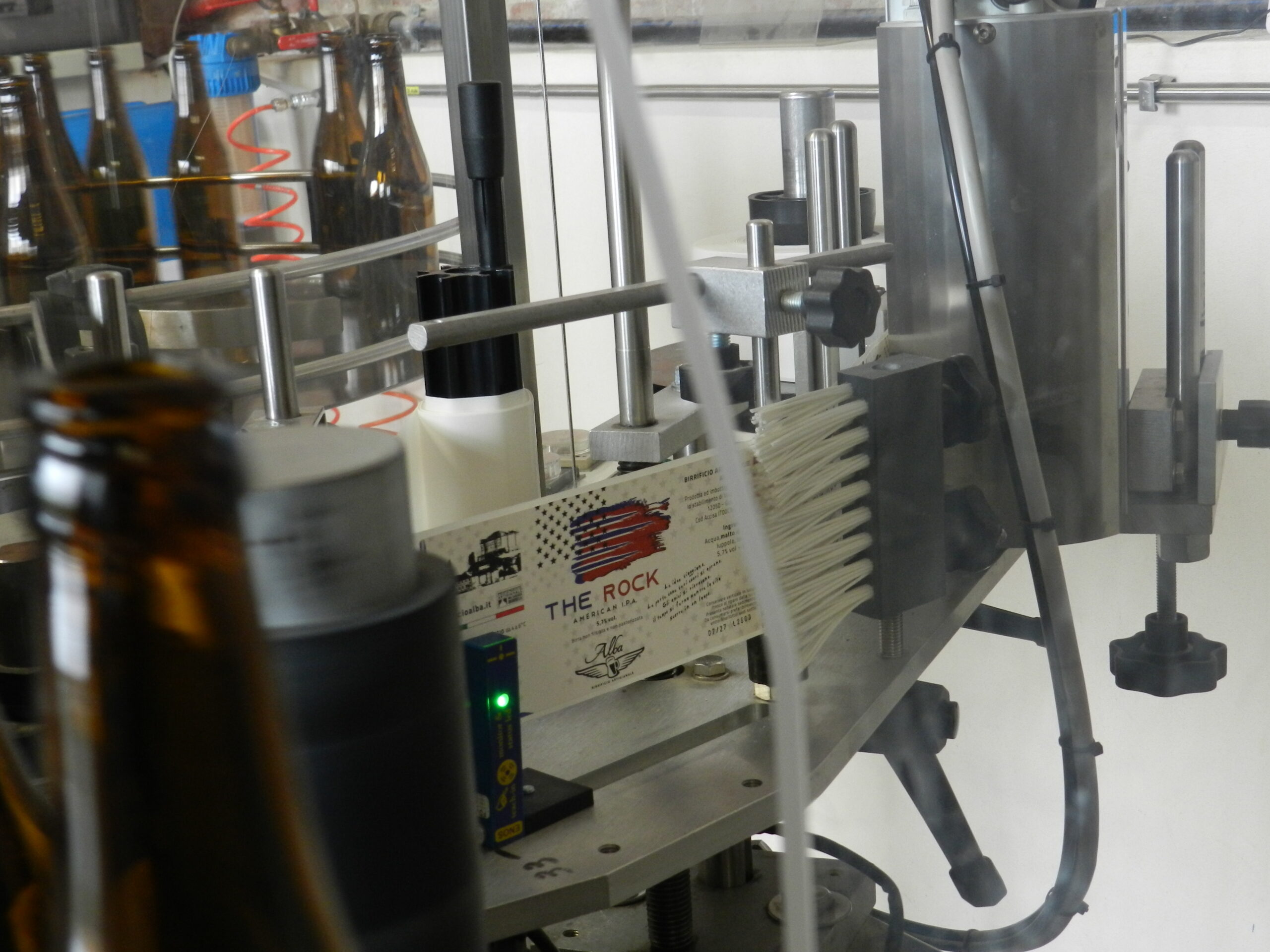
The next step is the station dedicated to creating an inert environment inside the bottle. «The two stations that make the filler particularly efficient for us in terms of preserving organoleptic qualities are the bottle rinsing station and the station for creating a vacuum and injecting inert gas», explains Accossato. After this phase, the bottles are returned to an upright position and transported to the filling carousel, which takes place in a controlled manner before the capping phase and collection on the plate at the end of the line, where the bottles are unloaded manually and, from there, placed in cages for transfer to the air-conditioned refermentation cell. The machine’s production is managed remotely via a management system that allows the number of bottles to be filled to be kept under control. «Each batch is identified on the label by a number, which allows us to trace all the raw materials used, as well as to identify the preparation method for each beer», explains Accossato, highlighting how traceability is considered an essential part of the production process.
Remarkable results in terms of sensory profile
Among the most recent investments, the bottling plant and the work carried out on the air supply line to the plants play a central role. The brewery has installed a silenced compressor connected in series to a filter battery capable of producing completely dry air at the first outlet; this technical air allows the machines to be supplied, reducing the risk of oxidation due to vapours carried by the compressed air. The last output of the filter series provides sterile air, used as a propellant for the finished beer during transfer or filling, replacing the CO₂ previously used in cylinders: a choice that has made it possible to limit both the cost of the process and the environmental pollution factor linked to the production and handling of carbon dioxide. «A typical bottling day lasts about eight hours and allows a batch of beer to be completely packaged, meaning all the bulk beer contained in a single 1,000 or 2,000 litre fermenter». The first stages include rinsing the line sanitised the previous day, preparing the sugars for priming and infusing them, and connecting the fermenter to the filling line via mobile pipes. This is followed by the bottling operations, which take four to six hours, and finally the disposal of the packaging, the washing of the emptied fermenter and the end-of-cycle sanitisation of the filler. The results of this process are clearly perceptible on a sensory level. «The first beer bottled on the line was Double Bee. I remember perfectly the difference with previous batches, because it was possible to clearly perceive the flavours of the honey used, acacia and chestnut, which previously could not be perceived because manual filling damaged the bouquet».