For history buffs and lovers of literature and cinema, the Sacra di San Michele in Sant’Ambrogio di Torino – on the road to the Susa Valley – is perhaps a familiar monument. It is awaiting inclusion in the list of UNESCO World Heritage Sites, but since 1994 it has been the symbol of Piedmont and has developed between history and legend since the 10th century AD. It inspired Umberto Eco to set his famous novel The Name of the Rose there, which was made into a successful film in 1986 by French director Jean-Jacques Annaud.
The Gentile Code
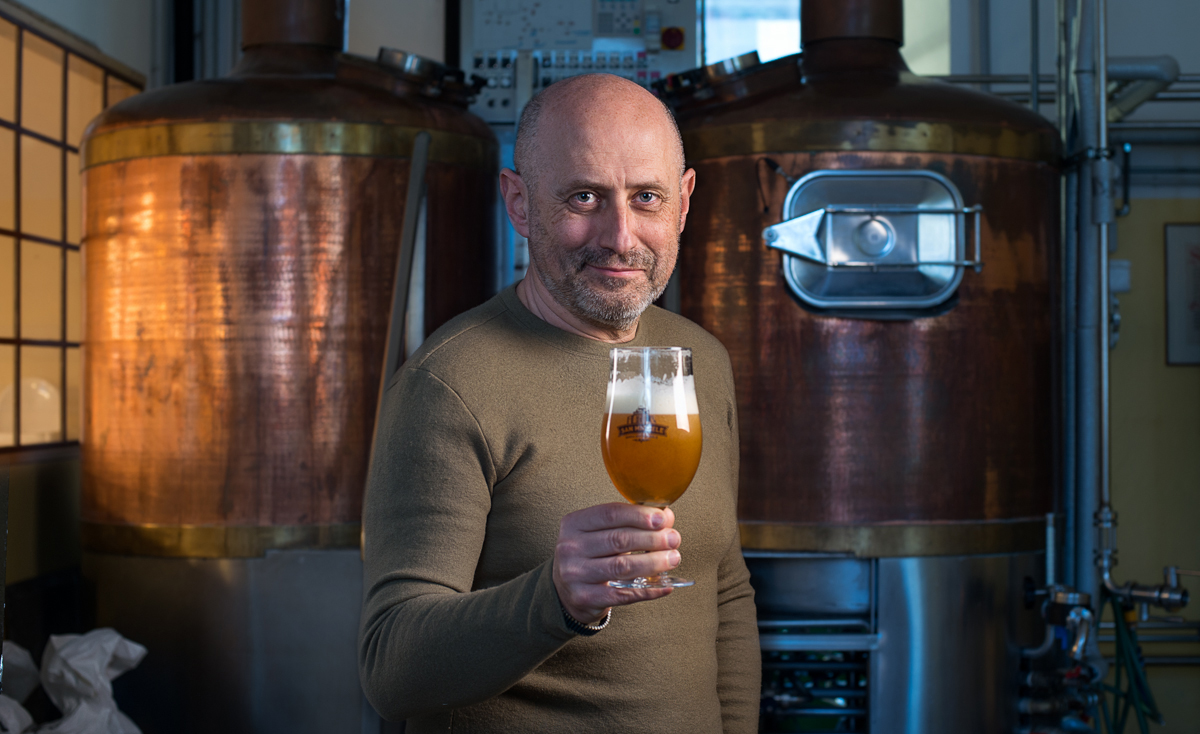
Like architecture – particularly the most ambitious and evocative examples – beer production is essentially an art form, and Bruno Gentile devoted himself to it around a millennium later with the creation of his Birrificio San Michele brewery. In line with what we will see later, the business underwent a series of different evolutionary stages and was born almost by chance. That is, when Gentile, who worked for some of the leading IT multinationals of the late 20th and early 21st centuries, found himself taking refuge from the rain in Brussels in a brew pub, munching on a bite to eat. «As a layman accustomed to dealing with the coldness of binary code, I was struck by the atmosphere and aromas typical of a craft brewery and even more so by the discovery that a living, almost soulful substance was stirring in the fermenters». Not unlike Ugone Alverniate, who in exchange for plenary indulgence invested in the Piedmontese monastery, the founder of BSM also experienced his own small conversion. «Similar to the big names in technology, which I saw as being more oriented towards pure profit than true enterprise it seemed to me that even the large beer suppliers were taking away the authenticity and naturalness of the product. I began to take an interest in taste in all its aspects and to understand that perhaps beer production in Italy was not sufficiently valued».
From bikes to beer
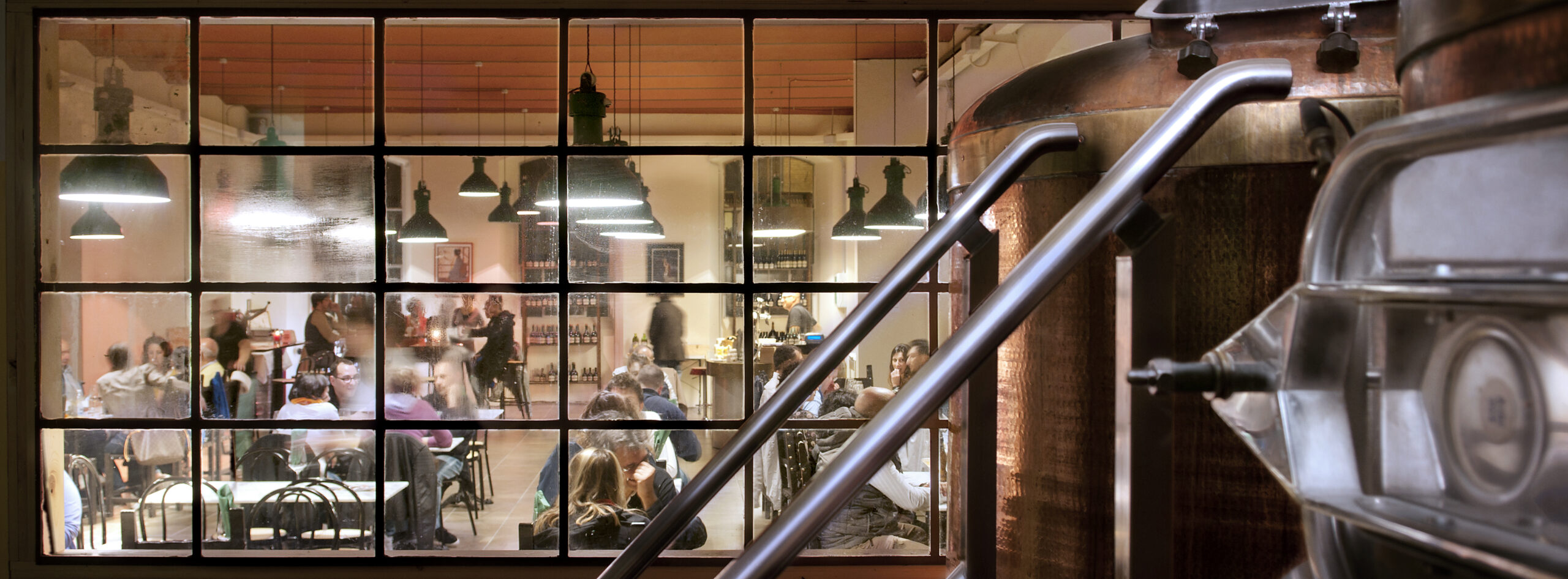
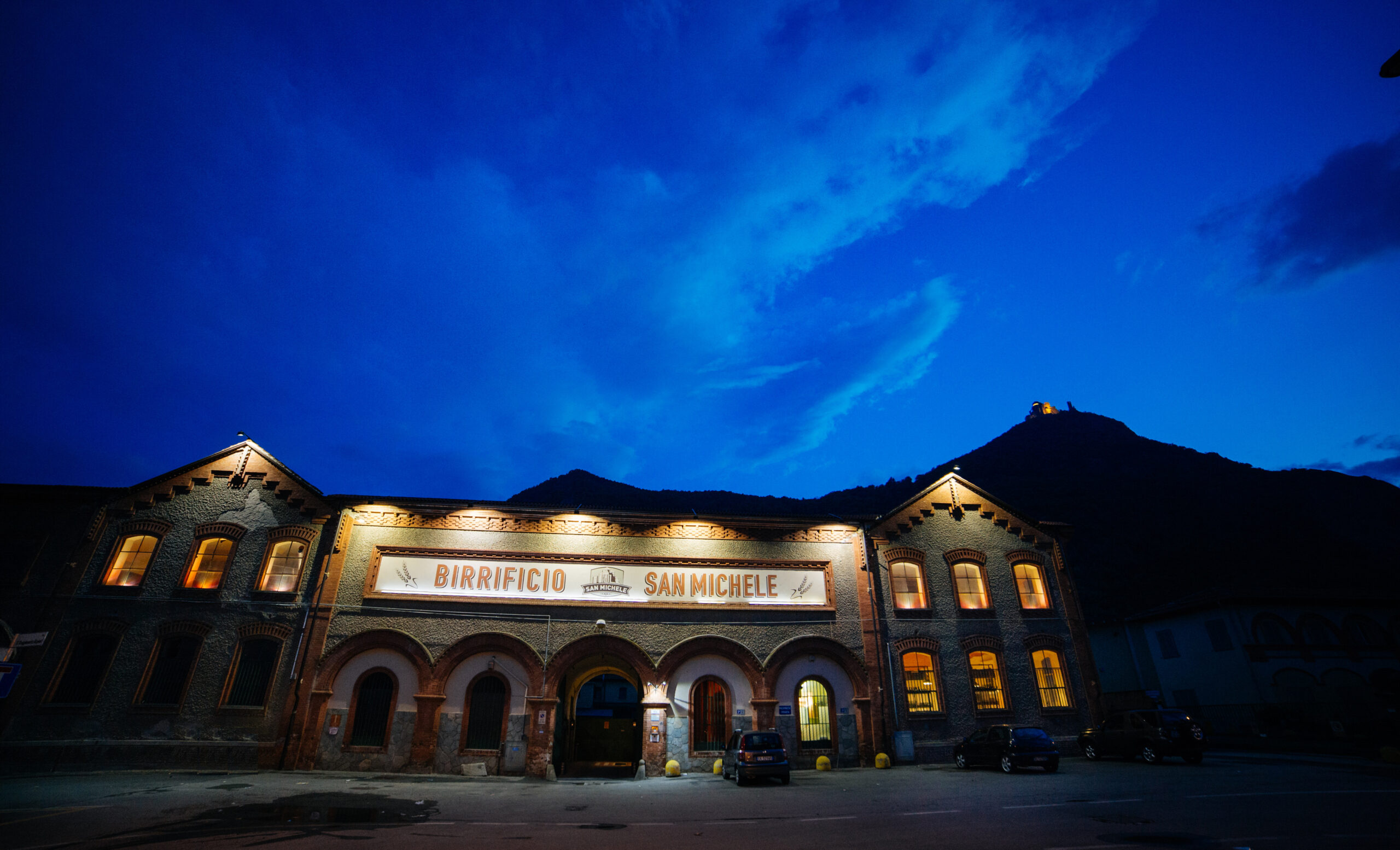
Today, the brewery covers a total area of 7,000 square metres in the former premises of the historic motorcycle manufacturer ITOM and a knitwear factory, and houses a restaurant and a padel club, with plans to add a bed & breakfast. Annual production volumes peaked at 3,000 hectolitres and 500,000 bottles during the two years of the pandemic. However, it all began in the Gentile family kitchen in Turin, where the owner and a few friends experimented with their first recipes until the wife issued an eviction notice. The technology was rudimentary because home kits were still a long way off: an old Imperia pasta machine was used to process the malts. The results were not long in coming and were so excellent that they convinced a Savoy restaurateur to enrich his drinks menu with those of the nascent brand, in the spirit of diversifying his offering. And speaking of brands, the label came a little later when the group decided to install a plant and open their own shop in a cramped store in the heart of the capital. From there, a small window allowed them to see the silhouette of the Sacra from afar: the idea for the label came almost spontaneously. A stronger impulse came with the move to Sant’Ambrogio – a few kilometres from Avigliana – and the purchase of more advanced systems, including the first prototype of a steel brewing machine and all made of steel and entirely covered in hand-chiselled copper by Impiantinox, which later became Velo.
Bottled elegance
Since 2013, Birrificio San Michele has had its headquarters in the shadow of the monastery on the Via Francigena, that is increasingly popular with tourists and trekking and cycling enthusiasts from all over the world. Gentile’s initial research into the many varieties of beer has gradually led to the 16 varieties currently marketed all over the world, or almost. In steel or poly kegs, but mostly in bottles, they reach all regions of the Italian peninsula and then the United States, Northern Europe, Japan and Korea, among others. The underlying philosophy has not changed. «I have always thought, and still believe that beer should be linked to its territory of origin, and guided by this conviction, I wanted to develop a chestnut-flavored beer. It was sent to the competition, which at the time was called Pianeta Birra, and to my surprise, it was awarded Beer of the Year. On that occasion, we also won a bronze medal, and the feedback encouraged me to take part in the event in person. There, I found a world of rigorous professionals and authentic sommeliers, whom an old-style Piedmontese like myself would more easily associate with the world of wine. The stakes were high, and I thought it was time to get even more serious. The image itself wanted and wants its share and passes through the choice of the bottle: ours, a small champagne-like glass, it is elegant and appealing; it has everything it takes to arouse interest».
Oldies but goldies
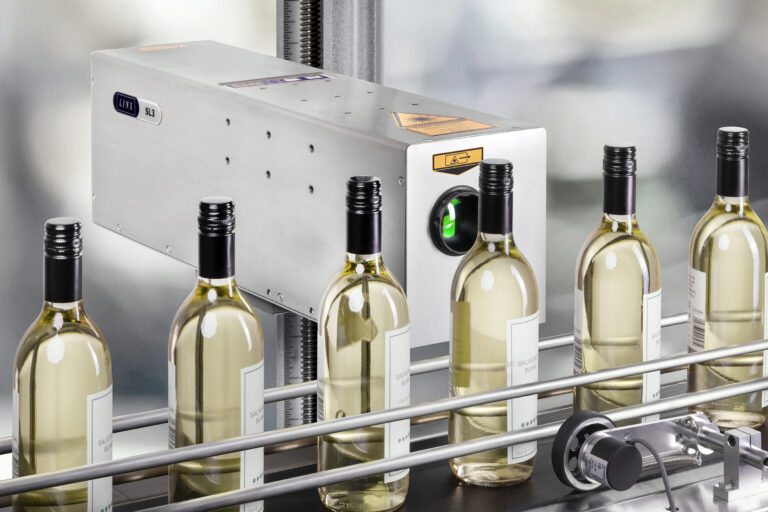
In addition to meticulously recycling waste and producing part of its energy requirements itself thanks to photovoltaic panels, San Michele has always favoured the use of second-hand machinery. It acquired this equipment with the help of maintenance technician and consultant Giovanni Ramello, «a veteran of the bottling industry who helped us find a Bertolaso 20 capping machine and isobaric machine, which was then joined by a Robino-Galandrino crate filling machine». The line can theoretically produce up to 3,000 bottles per hour; currently, the maximum rate is 1,000-1,500 bottles. Two Canadian Eco Brew Tech units with a capacity of 1,500 litres per batch and 17 fermenters are used in production; water is supplied by the nearby Vaie spring on Mount Pirchiriano. «Our bottling line can be considered one of the most advanced in the sector, and other important innovative investments include the automatic Cleaning-in-place solution and the centrifuge. To envisage further expansion – the idea is to purchase a depalletiser – we have to take into account market conditions and therefore the purchasing power of customers and the competitive logic of large numbers».
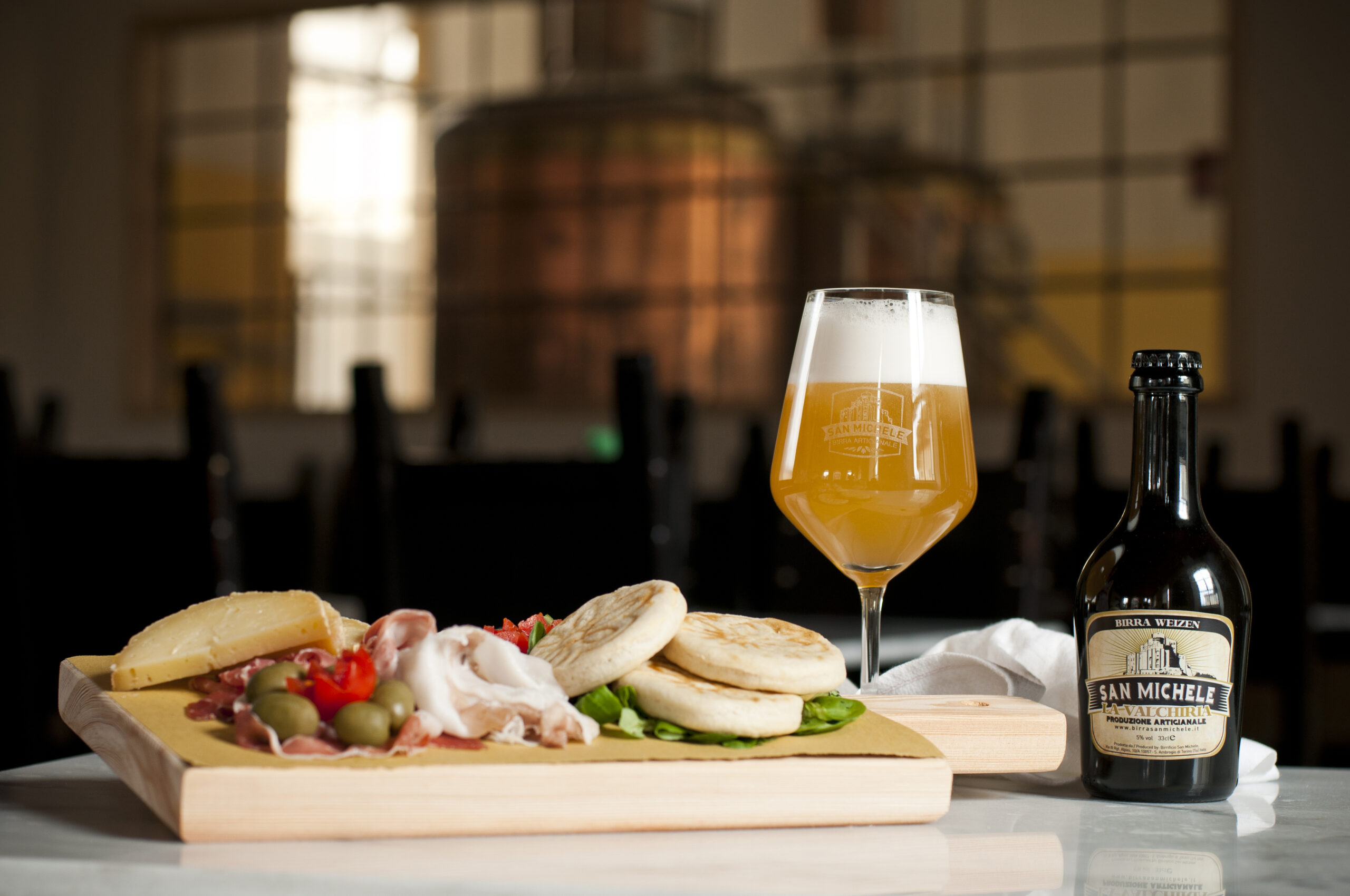
Deviating from the absolute craftsmanship based on unfiltered and unpasteurised beers is unthinkable; complying with the dictates of organised distribution (for which Sant’Ambrogio already works as a private label) is disadvantageous. As elsewhere, the pub is a gold mine, serving 250-300 covers per evening at weekends, and there are high expectations for the B&B that is to come. «We are faithful – concluded Bruno Gentile – to the idea of little but good, and yet, given the talks we are having with some Chinese interlocutors, the prospect of much but good cannot be ruled out. We are already appreciated in Beijing, and the motto of never say never remains valid. But perhaps romantically, I think the Holy Grail is the trust of European and Italian consumers».