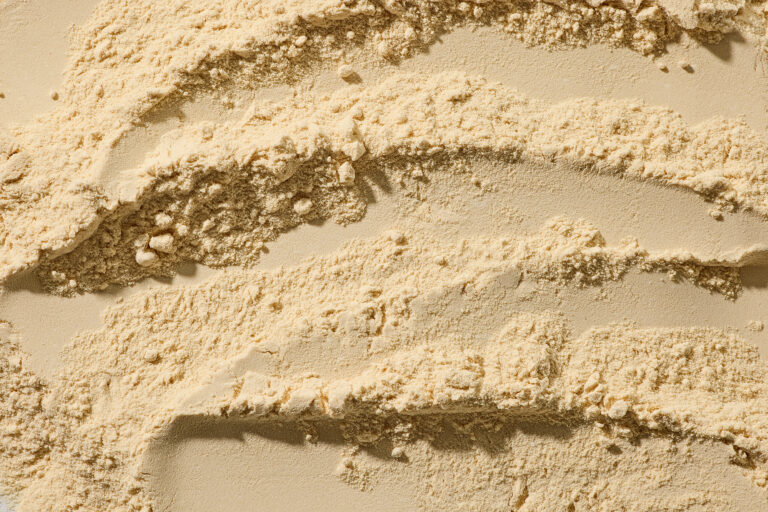
In the context of the valorization of agri-food by-products, red grape pomace (VR), a residue from winemaking, represents a promising resource thanks to its high content of polyphenols and anthocyanins.
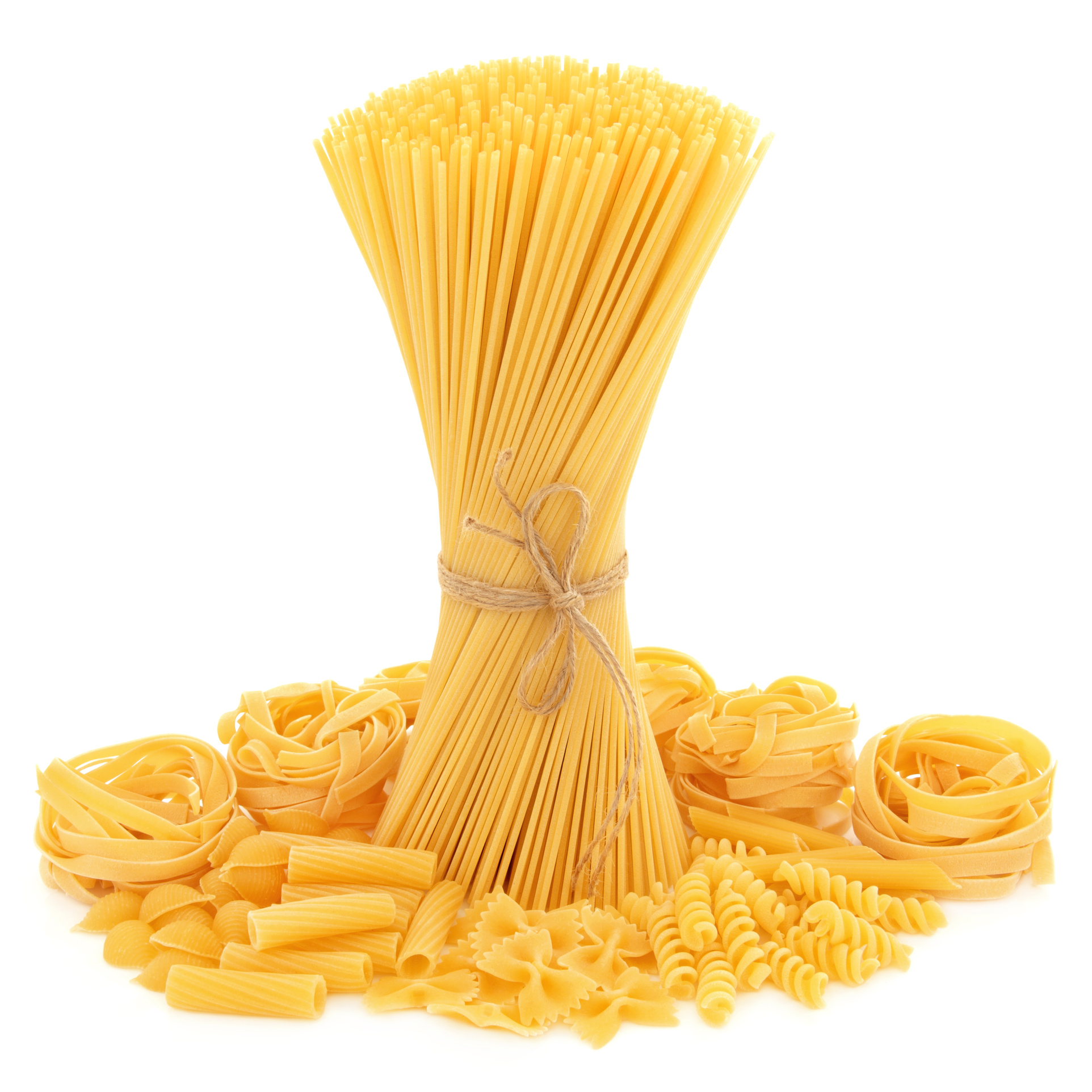
In a recent study conducted by a group of Italian researchers (Catanzaro et al., 2025), VR was used to enrich a gluten-free pasta. VR flour was preliminarily characterized for its chemical and physical properties, revealing a high capacity to bind water and oil, as well as an acidic pH. Gluten-free fettuccine were formulated with different percentages of VR (0%, 5%, and 10%) and subjected to analysis to evaluate cooking characteristics, composition, and appearance. The addition of VR significantly alters the nutritional and technological profile of the pasta.
An increase in bioactive compounds, such as polyphenols and anthocyanins, was observed, accompanied by a lowering of the pH and an increase in the titratable acidity, parameters that can improve the shelf life and microbiological safety of the product.