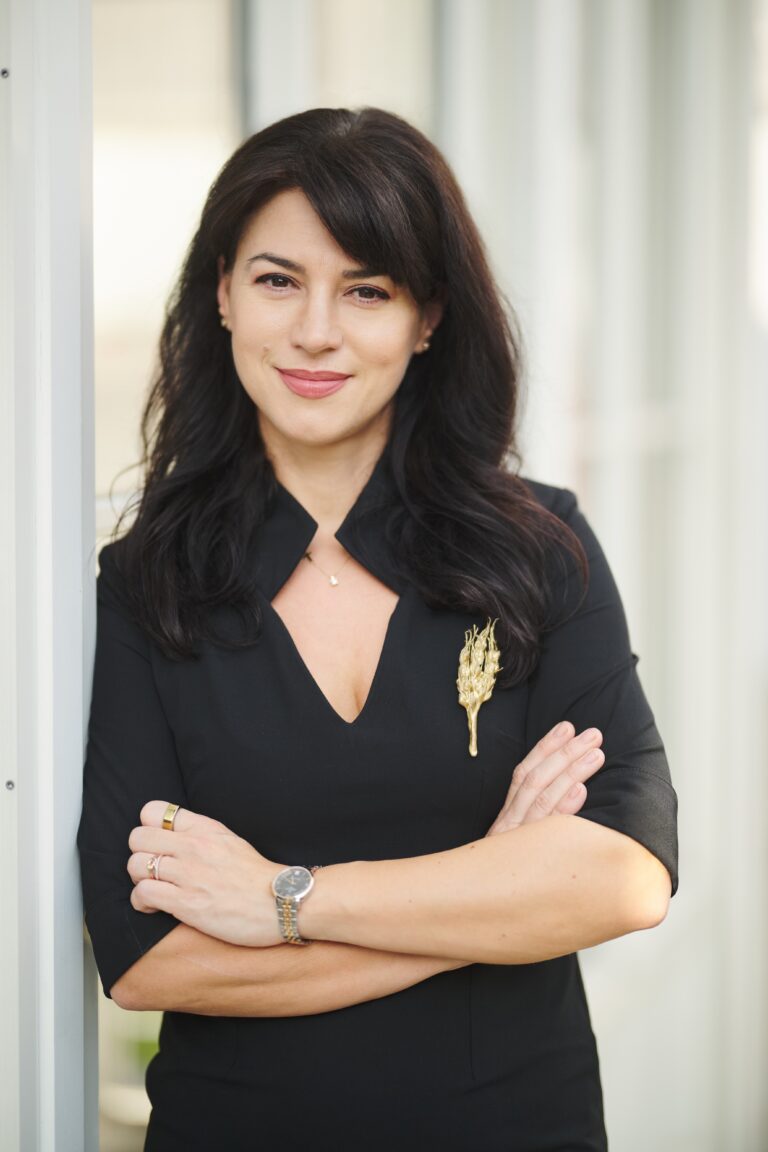
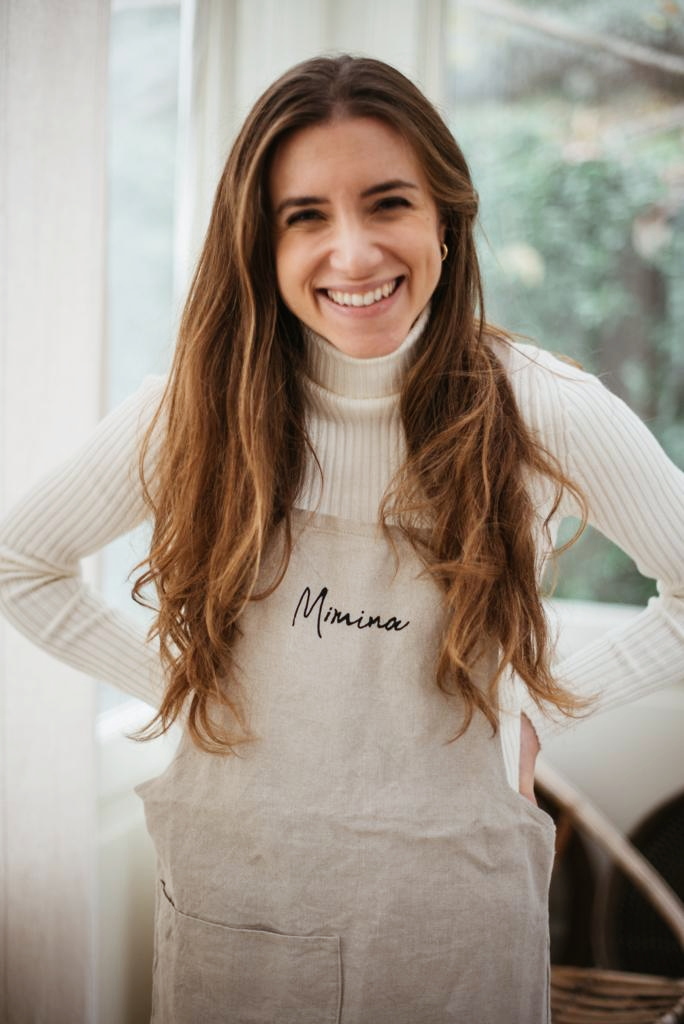
Ethics lie at the heart of new working practices in the Italian agri-food sector, which is increasingly focused on identity, quality, and environmental, health, and economic values. Years ago, working for a major international group was synonymous with professional success, financial security, and social prestige. Younger generations hold a completely different view: true happiness comes from turning one’s passion into a career. This path allows individuals to remain true to their values, build sincere and lasting relationships—not only with family and friends but also in the workplace with suppliers, clients, and colleagues—and, above all, generate a tangible, positive impact on society as a whole. This has been the experience of Francesca D’Antonio, founder of Mimina. Based in Santa Sofia (in the province of Forlì-Cesena), the company has been developing recipes and overseeing the production and marketing of tasty, balanced breakfast products since 2016.
The job I like
What is your educational background?
I was born and raised in Germany and spent my teenage years in Asia—environments that were vastly different from one another and deeply influenced my aesthetic and culinary tastes. My academic journey concluded in London with a master’s degree in Asian Art and the publication of research on blue-and-white chinoiserie ceramics—a subject that has remained close to my heart. I still love these objects today; they are the product of a fusion of different cultures and a complex history.
How and where did you start your career?
My studies led me to work at Christie’s in London, the historic auction house specializing in art and luxury goods. The core of that job was valuing antique objects, a process deeply rooted in building trust with clients. It was a true life lesson—one I still draw upon today when building relationships with clients and business partners.
Why did you decide to return to Italy and dedicate yourself to a completely different field?
After a lifetime spent abroad in cosmopolitan cities, I decided to leave London and return to Italy to be closer to Santa Sofia, the heart of my family ties; my maternal grandparents lived there, and it was where I spent my childhood holidays. It wasn’t an easy decision; leaving a prestigious career path for the unknown took a great deal of courage. But I felt a need to rediscover myself, as the life I was living no longer resonated with who I was.
Did you already have a clear idea of what you wanted to create?
No. My initial goal was simply to prioritize what made me feel good: practicing yoga, living close to nature, eating healthily, and experimenting in the kitchen. Mimina also stems from a nutritional awareness I developed over the years: a dear friend—a nutritionist—guided me during my high-stress working years in London, helping me understand how to put together a balanced breakfast that could provide real support during grueling workdays and a hectic lifestyle. That advice was invaluable, and I used it to create the Mimina recipes. In London, I used to have a specific artisanal granola for breakfast that I couldn’t find in Italy; the market here offered mainly mass-produced or imported products. The more I looked, the more I realized there was a gap in the market—a need of mine, and likely that of many others, which Italian companies had never addressed. I had experienced firsthand how a good granola-based breakfast provides the energy to tackle the day effectively and creates a lasting sense of satiety. That’s where the idea came from to create my own line of granola, dedicated to vegan consumers and anyone who shared my views on healthy eating. I identified the project’s key pillars as: unique recipes, high-quality ingredients, well-being, and artisanal craftsmanship.
Where does your company’s name come from?
“Mimina”—meaning “my little one”—is an affectionate nickname that elderly people in Santa Sofia use when addressing local girls. My grandfather Gilberto called me that, too; he was a true lover of healthy living and respect for nature, and from him, I learned that every detail in the kitchen matters—not just to make a dish look better, but to make it taste better, too. The name is, therefore, also a tribute to him. I love the fact that, while it holds deep personal meaning for me, it is also part of a broader collective memory—part of the cultural fabric of my town and the surrounding area. That is why it perfectly reflects what Mimina stands for: the desire to preserve and keep alive the human values and craftsmanship inherent in our work—in every aspect, from packaging design to the production process itself. My company is built on emotion, and this name evokes feelings, images, and the scents of home and family—a name well-suited to accompany my business as it grows.
Production and products
How is your business structured?
I started by partnering with a local farm that handled the initial production runs and remains one of our key partners today. Over time, we replicated this successful model, and we now collaborate with various strictly local artisanal producers who make our recipes exclusively for us. I personally formulate every recipe, adhering to a few core principles: a short list of easily recognizable ingredients, no additives, and nothing that the average consumer might perceive as harmful or undesirable. All our ingredients and products are certified organic. In addition to granola, we offer muesli, porridge, cookies, and snacks. We also manufacture products for third parties, managing every stage of the process—from recipe development to the final, retail-ready product.
What is in your granolas?
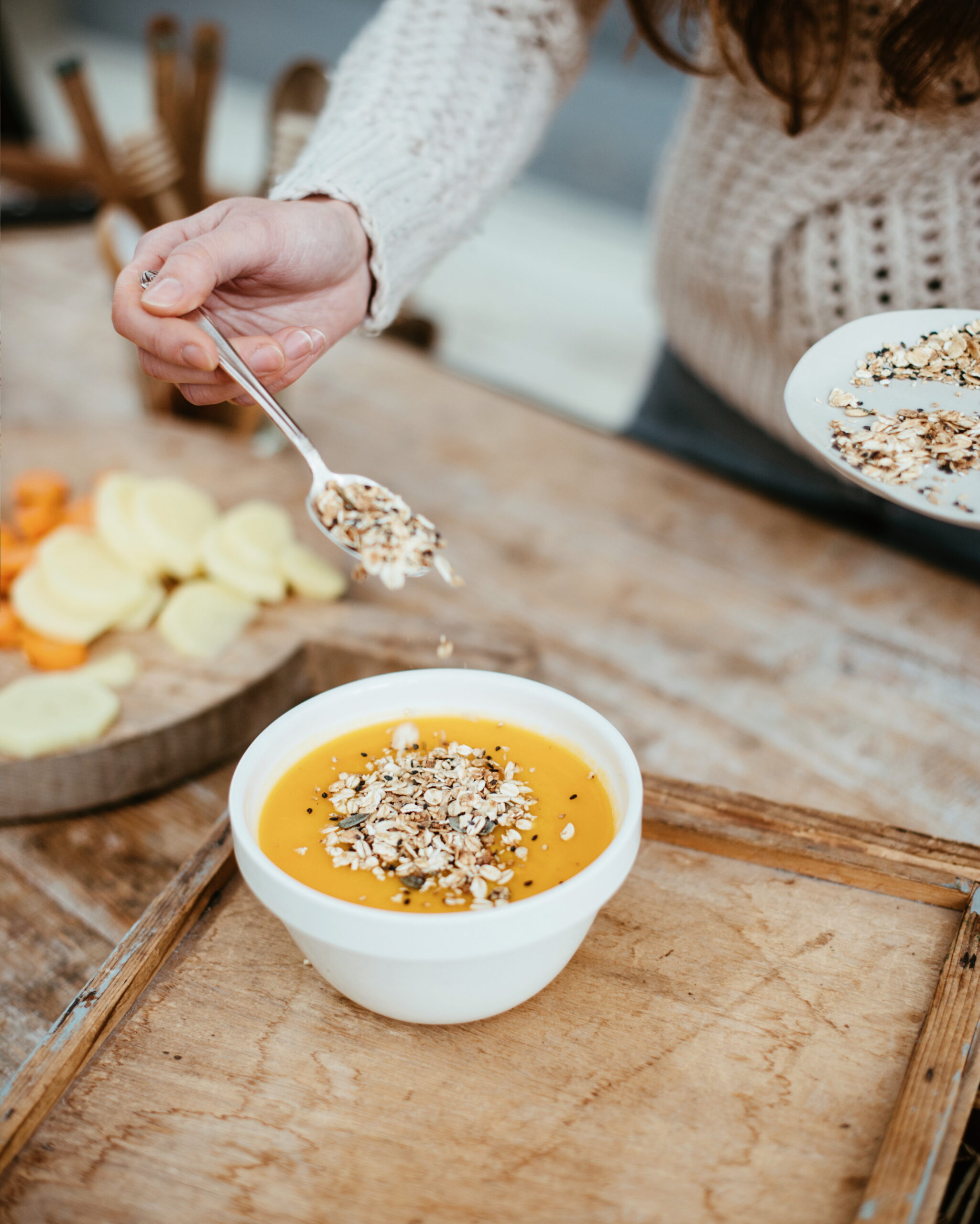
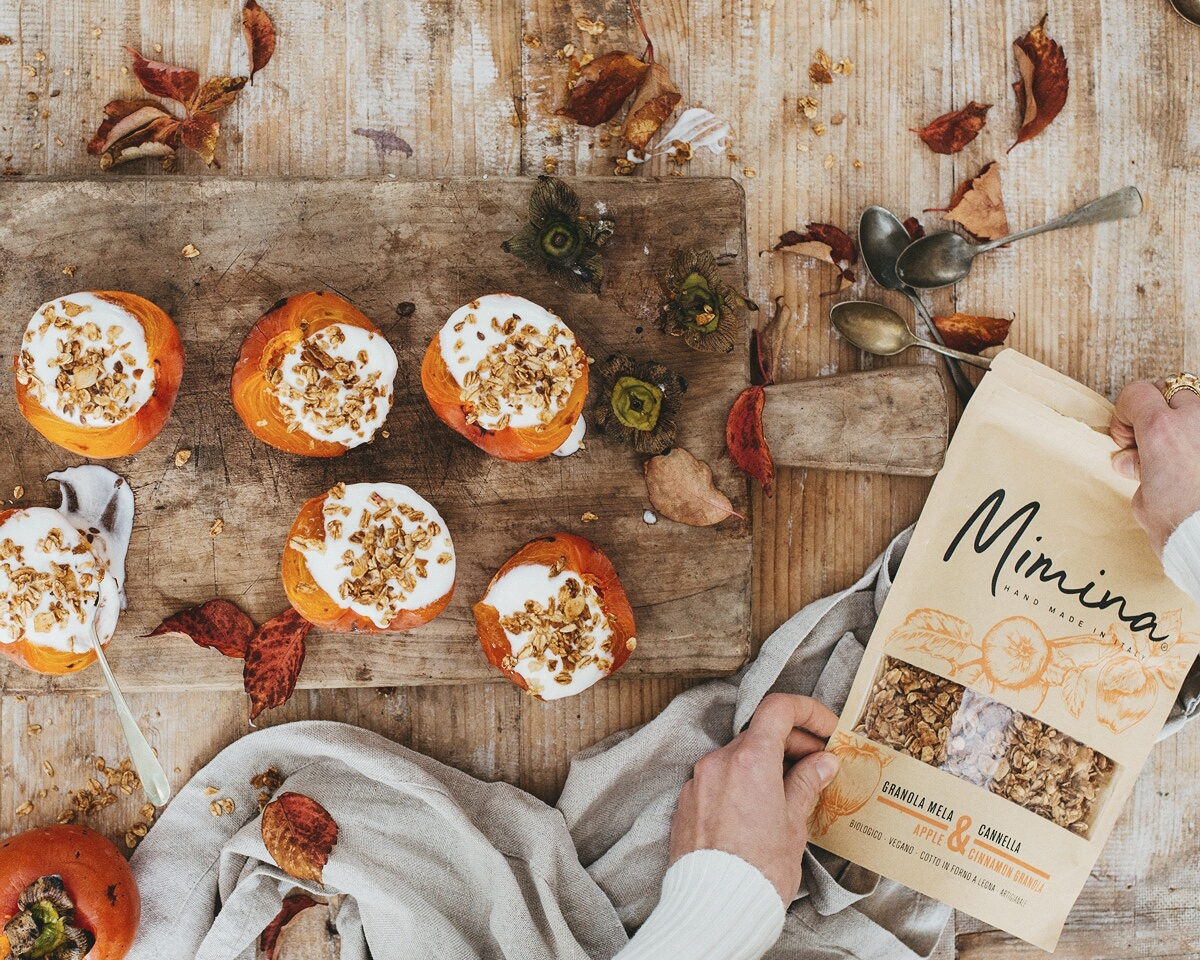
They are crunchy blends of grains, seeds, nuts, dried fruit, rice syrup, and agave syrup. Oven-toasted and made with whole-grain oats, they are formulated for slow energy release; they contain no refined sugars or lactose and are an excellent source of fiber. We have also developed a savory line, toasted with a touch of oil. These come in salt & pepper, basil, sweet paprika, and beetroot varieties—perfect for pairing with salads, creamy soups, or fresh cheeses.
Your product range also includes muesli and porridge mixes; what sets these products apart?
Muesli is a blend similar to granola but unbaked, resulting in a softer texture. Porridge, on the other hand, is made from fine-cut oats—smaller than those used for granola—which allows them to absorb liquid easily and create a creamy consistency. It can be prepared by boiling it in water, milk, or plant-based alternatives, or by soaking it overnight in the fridge with milk, plant-based alternatives, water, or fruit juice for a cold, ready-to-eat breakfast option.
You also offer a unique range of cookies; why should consumers choose them over the competition?
They are vegan cookies made with just a few organic ingredients and flour from our trusted farm in Santa Sofia. Another key benefit is that they are free from allergens like eggs, milk, and dairy derivatives. Here, too, refined sugars are replaced with rice syrup. We select high-quality raw materials—such as high-oleic sunflower oil and stone-ground flour—creating simple, authentic products designed for those who value taste, all-natural ingredients, and uncompromising quality. We offer them in several varieties: cocoa and apricot, orange and cranberry, apple and cinnamon, and the classic chocolate chip—a flavor our customers love.
Where do you source the ingredients for your products?
Our selection process is guided by a specific principle: showcasing each ingredient in its finest natural form while adhering to organic farming standards. We choose each raw material based on the best possible origin; for instance, for our orange and cranberry granola, the cranberries come from Canada—where ideal growing conditions ensure high quality—while the oranges are Italian. We apply this same level of care to every ingredient in our recipes, always prioritizing quality and traceability.
Shelf life, packaging and more
How have you determined the primary and secondary shelf life of your products?
Through laboratory analysis and sensory testing, which are re-verified over time. On the label, we indicate the “best-before” date (TMC)—using the phrase “best before” followed by the date itself. Regarding secondary shelf life—that is, the product’s shelf life after the package has been opened—we highlight on the label that it depends on proper storage conditions: if the package remains open for an extended period, our products tend to absorb moisture and may be susceptible to oxidative reactions.
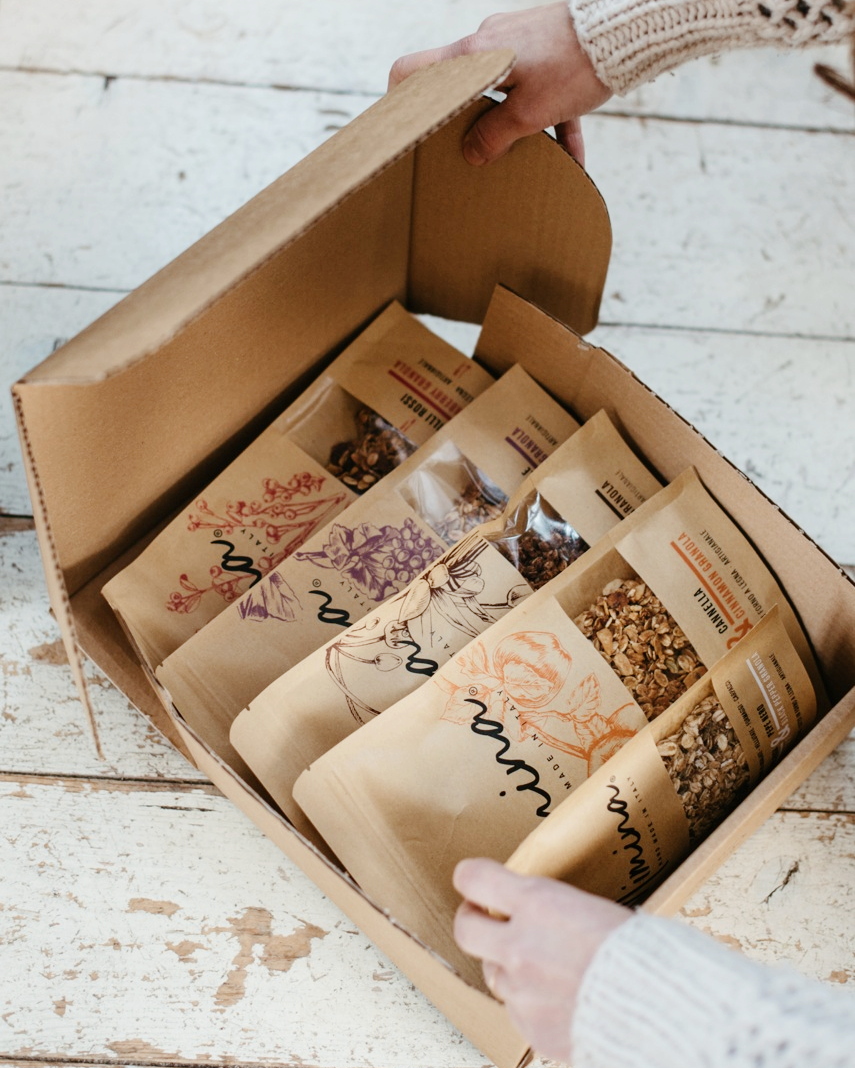
As these are organic products, their shelf life is shorter than that of their non-organic counterparts; we therefore recommend storing them in a cool, dry place away from direct light. We pay special attention to packaging features. Our 240g and 1kg packs feature a resealable zip closure, ensuring the product can be sealed airtight even after opening.
What are the technical and communicative features of your packaging?
The packaging reflects the brand’s ethos. For our granolas, mueslis, and porridges, we use resealable kraft paper doypacks (in a natural tan shade) featuring a clear window to showcase the product. This tan color evokes the earth, instantly suggesting a rustic, authentic, and traditional feel—much like our products. The design was hand-crafted by a close friend of mine, who created the logo and illustrations for the various packs, giving the brand a truly personal touch. For the Ho.Re.Ca. sector, we also offer 1kg, 3kg, and 20kg formats designed for professional use.