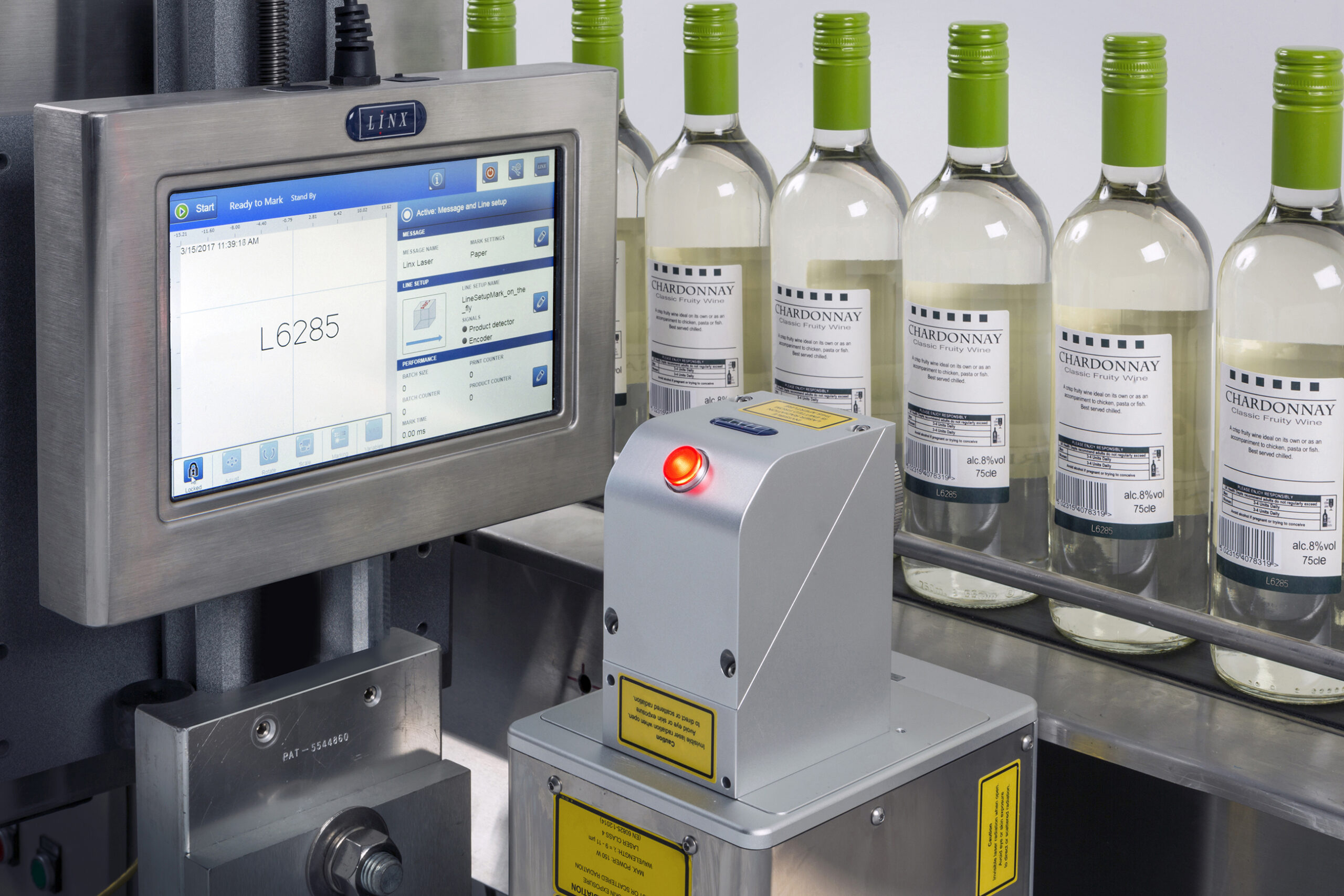
The beverage industry is undergoing a profound transformation. Increasing production speeds, the introduction of increasingly stringent traceability regulations, and the need to ensure impeccable quality throughout the supply chain are transforming the role of industrial marking. It is no longer just a matter of printing a lot number or an expiration date: today, every code is an essential element for ensuring food safety, logistics management, anti-counterfeiting, and integration with digital factory systems. From glass bottles to PET containers, from capsules to secondary packaging, each substrate has different characteristics and requires dedicated technologies. To understand how this sector is evolving, we explored the topic in depth with Automation Address, a company specializing in the distribution of marking, coding, labeling, and automatic identification systems for the manufacturing industry and, in particular, the beverage sector
Code, a strategic element of production
For many years, industrial marking was considered simply the final step in the production line. Today, however, it is one of the central elements of the entire production process. Companies must ensure that every single bottle can be identified at any point in its lifecycle, from production through distribution. This means being able to quickly trace production lots, manage any recalls, monitor quality, and provide consumers with increasingly detailed information.
At the same time, there is also growing demand for two-dimensional codes – such as QR codes and Data Matrix codes – which are used not only for logistics but also for interacting with end customers, for digital marketing, and for future Digital Product Passport systems mandated by evolving European regulations. Marking, therefore, is no longer merely a regulatory requirement but has become a tool for competitiveness.
Marking glass: a challenge that’s more complex than it seems
Of all the materials used in the beverage industry, glass remains arguably the most challenging substrate to print on. Unlike cardboard, which easily absorbs ink due to its porosity, or many plastics that can be treated with specific formulations, glass has a completely smooth, non-porous surface. The situation becomes even more complicated in modern bottling lines, where bottles move at high speeds and are frequently exposed to condensation, temperature fluctuations, and humidity. The presence of curved or highly reflective surfaces can also affect the accuracy of the marking. To ensure codes are always legible, it is therefore essential to select the most suitable technology, pairing it with specific inks or, when appropriate, laser systems capable of producing permanent markings. The quality of the process depends, in fact, on the perfect combination of material, line speed, and environmental conditions.
Faster and faster lines require high-performance technologies
The evolution of the beverage market has led to a steady increase in plant productivity. In particular, large production lines dedicated to mineral water, non-alcoholic beverages, and soft drinks operate at extremely high speeds, requiring marking systems to perform at speeds of up to 400 meters per minute without compromising print quality. In these contexts, the coding system must operate completely transparently within the production process, avoiding any slowdown of the line. The situation is different, however, in the wine and olive oil sectors, where speeds are generally lower and the aesthetic quality of the marking takes on greater importance, along with the perfect legibility of traceability information. This demonstrates that there is no universally superior technology, but rather an optimal solution for each specific production process.
Inkjet or laser? Two different approaches to industrial marking
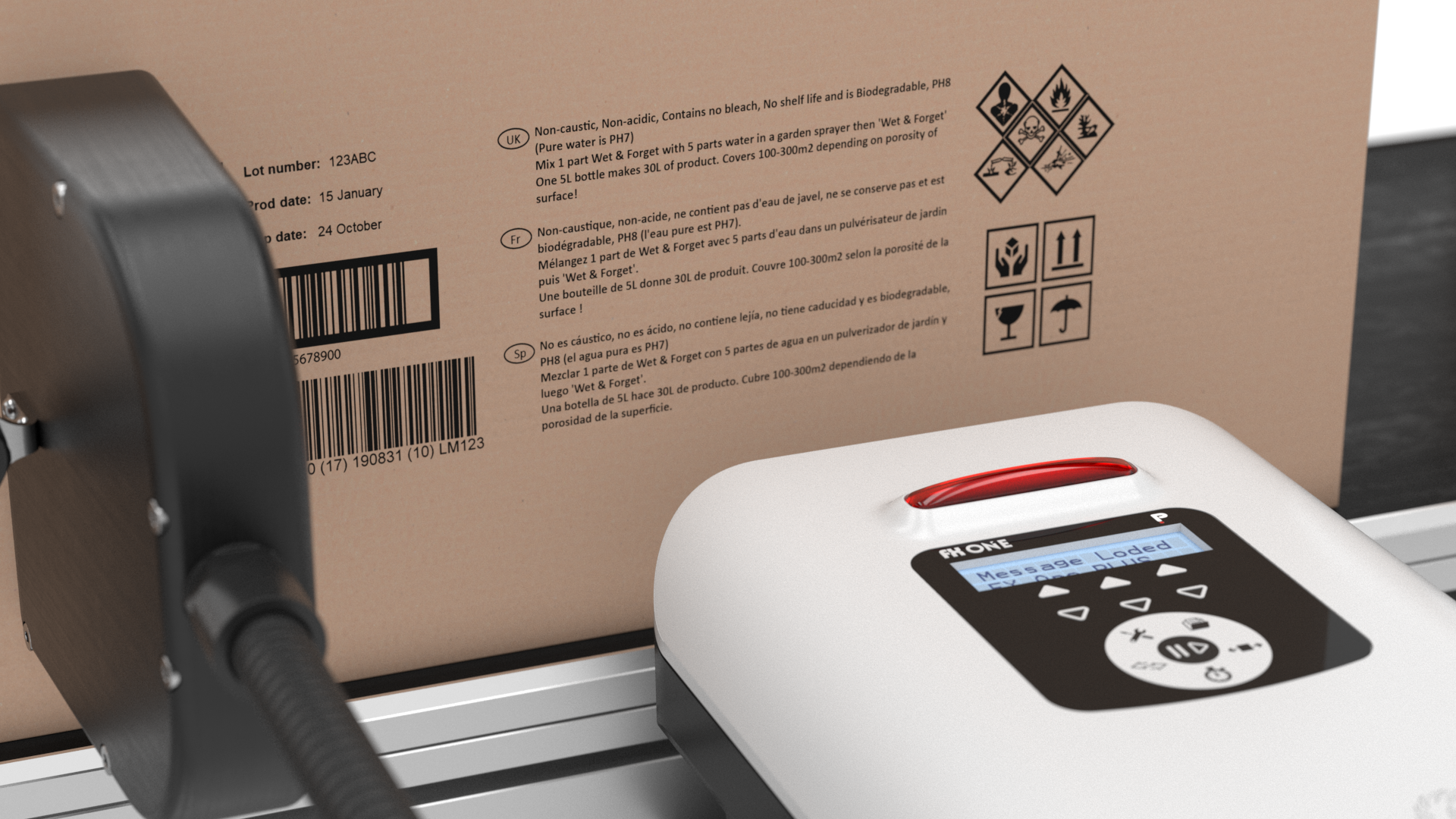
One of the main questions for those investing in new production lines concerns the choice between inkjet and laser marking systems. Continuous inkjet technologies remain a well-established standard today thanks to their versatility and ability to operate on a wide range of materials. In this context, the Linx solutions distributed by Automation Address cover both application needs. Continuous inkjet systems guarantee high print quality even on particularly high-speed lines, while the laser range represents an ideal alternative for companies that wish to eliminate consumables and minimize maintenance, while maintaining permanent, high-definition marking.
In recent years, however, many manufacturers have been showing growing interest in laser systems, especially in applications where the goal is to completely eliminate the use of inks and solvents. The absence of consumables is, in fact, one of the main economic advantages of laser technology, but it is not the only one. The elimination of traditional printheads also significantly reduces maintenance requirements, preventing clogging issues and minimizing machine downtime. For beverage companies, this means greater production continuity, more predictable operating costs, and permanent marking that maintains high quality standards throughout the entire distribution chain.
Labeling: customization remains key
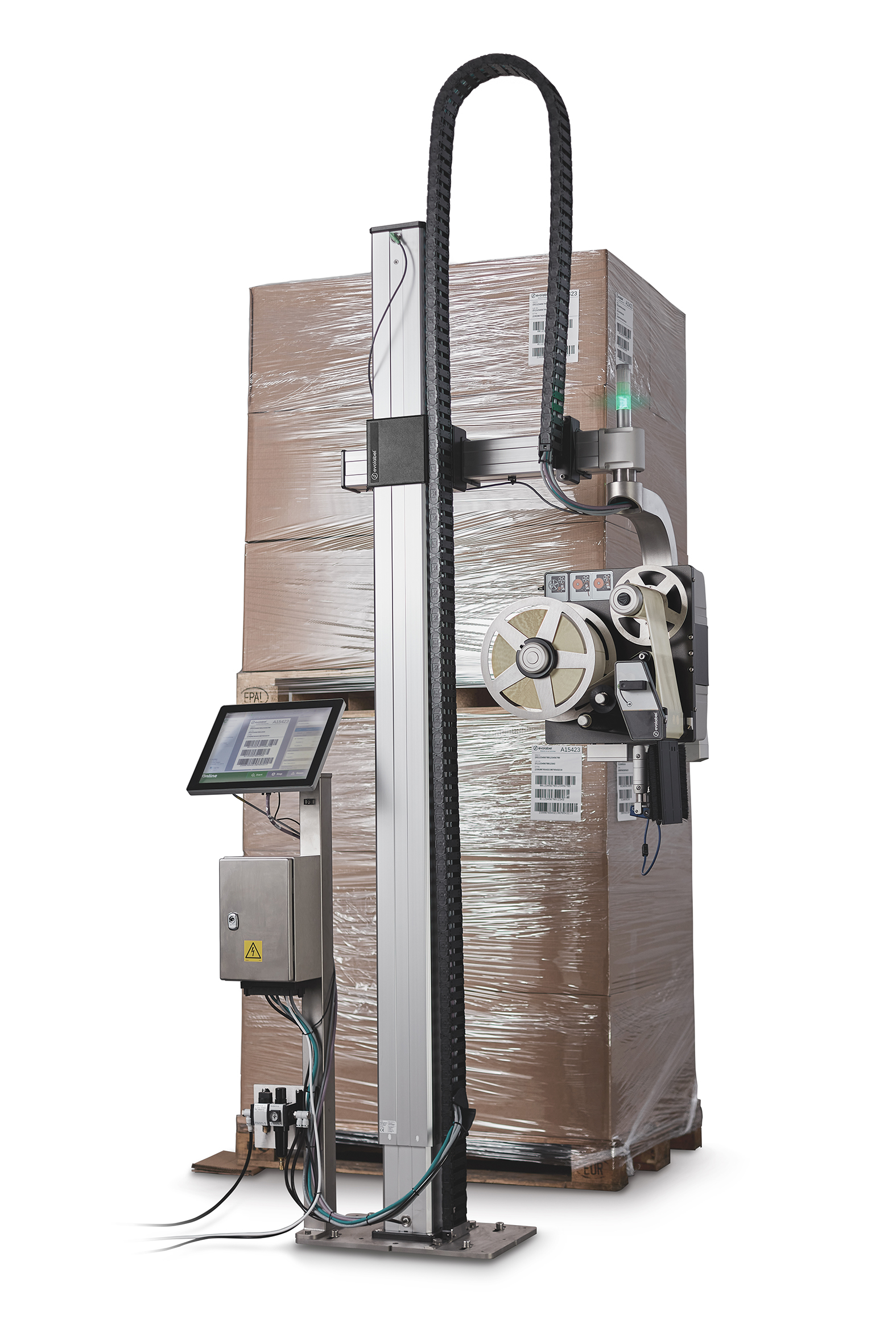
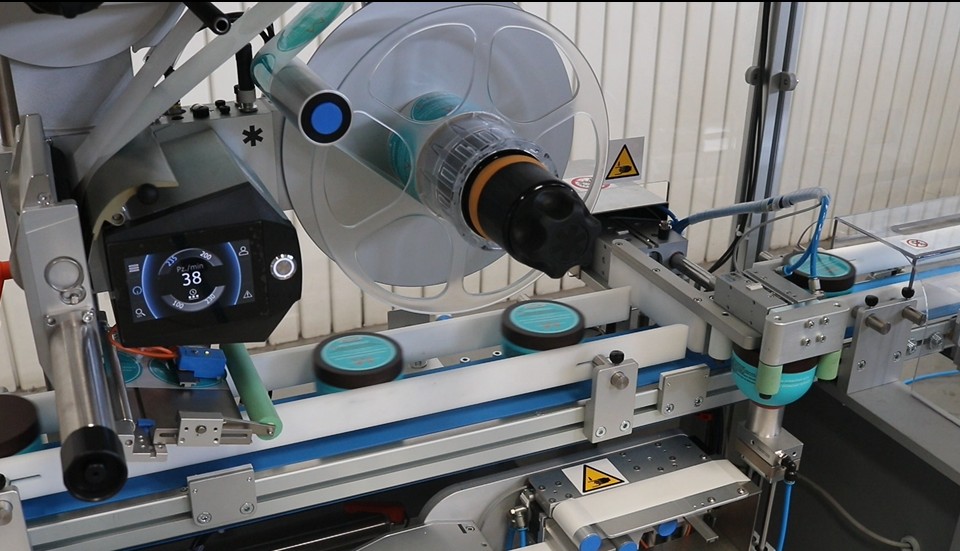
The world of labeling is also undergoing a period of profound transformation. Modern labeling machines can reach very high speeds – up to 200 meters per minute – but their true added value lies in their ability to adapt to the specific needs of each facility. Bottle shape, label position, container geometry, line speed, and the information to be printed are all variables that require a customized design. Current solutions also allow for the precise application of QR codes and Data Matrix codes, elements that are set to play an increasingly important role in the coming years for both traceability and the digitization of production processes.
The Herma labeling machines distributed by Automation Address are designed to adapt to a wide variety of configurations and can reach speeds of up to 200 m/min while maintaining high precision in label application. The system’s modularity allows for handling different bottle formats and easily integrating Data Matrix and QR codes, which are now indispensable in modern traceability processes.
High-quality marking even under the most challenging conditions
Condensation, frequent washing, high humidity, and continuous handling are typical operating conditions on bottling lines. Ensuring that the code remains perfectly legible all the way to the end consumer requires an integrated approach. The choice of ink is just one element of the process. Automated machine vision systems are increasingly being used to verify the quality of the marking in real time directly along the production line. Each code is thus checked immediately after printing, allowing any anomalies to be detected before the product proceeds to the subsequent packaging stages. This approach improves the overall quality of the process and reduces the risk of non-compliance during distribution.
Traceability, regulations, and increasingly detailed information
The amount of information required on beverage packaging has increased significantly in recent years. In addition to traditional lot numbers and production or expiration dates, packaging now includes barcodes, QR codes, Data Matrix codes, and other variable information intended for corporate management systems. The ability to print dynamic data with high quality is a fundamental requirement for compliance with national and international food safety regulations. This is where coders based on HP Thermal Inkjet technology come into play, enabling the high-quality printing of lot numbers, expiration dates, barcodes, QR codes, and Data Matrix codes. One of the main operational advantages is that the cartridge can be replaced in about five seconds, without the need for any special adjustments. Furthermore, the lack of scheduled maintenance and ease of use help reduce operating costs and minimize machine downtime – aspects that are particularly valued in high-volume production environments.
Capsules and caps become anti-counterfeiting tools
Marking is no longer limited to the main label on the bottle. In recent years, there has been growing interest in coding capsules, caps, and the bottle neck—areas considered more secure from a brand protection standpoint. Applying unique codes directly to these elements makes it much more difficult to counterfeit the product and offers consumers greater assurance of the package’s authenticity. This trend is set to grow, especially in premium sectors such as wine, spirits, and high-end oils, where brand protection is a key competitive factor.