Those who work in this sector possess a multidisciplinary background. The required skills range from an in-depth knowledge of food legislation (both national and international) and the study of advanced technologies and production processes, to the comprehensive management of analytical laboratories. This technical expertise is essential for ensuring the safety, efficacy, sustainability, and organoleptic qualities of products. The role demands meticulousness, strong organizational abilities, and a rigorous, logical approach to promptly identifying cause-and-effect relationships. We discussed this with Carmela Rivetti, who holds a degree in Food Science and Technology and serves as a Quality Control Specialist at Biotexia.
What kind of education and training have you had?
After earning a diploma as a technician in catering services from the Hotel Management Institute in Montesarchio (Benevento), I enrolled in the Faculty of Food Science and Technology at the University of Naples Federico II. Following my bachelor’s degree in Food Technology, I completed a specialized course for senior technicians in the economic and financial administration of agricultural businesses, and later finalized my academic path with a master’s degree in Food Science and Technology.
Why did you choose this field of study?
My studies in the hospitality sector provided me with the foundations for organizing a professional kitchen, mastering food preparation techniques, understanding the importance of selecting raw materials, and adhering to food safety regulations. This passion drove me to expand my expertise to include large-scale production processes, food legislation, and nutrition.
International experiences
Two experiences abroad stand out in her CV: the first at a British agricultural enterprise, and the second at the Universidad Católica San Antonio de Murcia, in Spain. Why did she choose these countries?
Her time in London dates back to 2015. Following an IFTS (Higher Technical Education and Training) course, she had the opportunity to participate in the Erasmus program; she chose the United Kingdom, driven by her interest in the city of London. In the British capital, she worked at Cultivate London Limited—a “city farm” and social enterprise that promotes the integration of nature into urban settings, while fostering a culture of locally sourced produce and the care of green spaces. Later, during her master’s degree, she embarked on a second Erasmus experience in Spain at the prestigious Universidad Católica San Antonio de Murcia—an institution renowned for its excellence in scientific research, an academic model closely linked to the professional world, and the athletic achievements of its students. She chose Spain both for the strong ties the country shares with Italy in the agri-food sector and for the prestige of the university itself.
What have these experiences given you, from both a professional and personal perspective?
They were two distinct yet fundamental paths for my growth and independence; they strengthened my determination and my drive to acquire practical, targeted skills for the career I wished to pursue.
The career
How did you begin your professional career?
In 2020, after completing my master’s degree, I moved to the province of Milan. The start was more challenging than I had anticipated: during the day, I worked as a school staff assistant, while in the evenings, I searched for positions open to recent graduates. My first real job interview took place in 2022, leading to an internship in quality control at Farmo, a company based in Casorezzo that specializes in gluten-free baked goods and pasta.
How did your career progress from there?
After nearly two years, I joined Illva Saronno (now known as the Disaronno Group) as a quality control laboratory analyst within their flavorings division, where I also provided support to the Research and Development (R&D) department. Since the beginning of 2026, I have held the position of Quality Control Specialist at B-Natural.
What skills are required to work in the flavorings division of a large company like Illva?
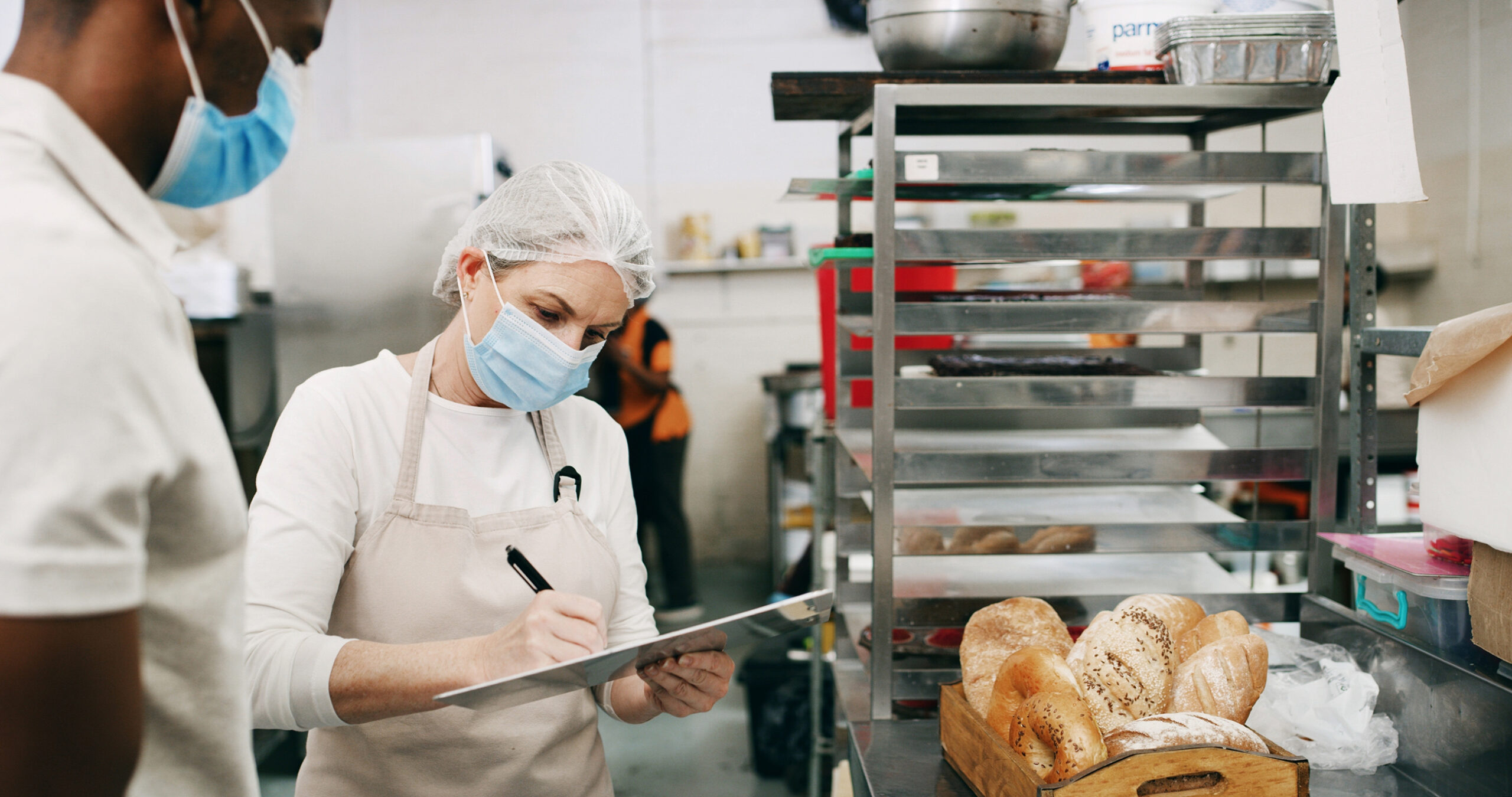
It is essential to have a strong command of basic analytical techniques and chromatography, as well as a solid understanding of microbiology. Furthermore, it is crucial to follow the procedures established by ISO standards for the approval of raw materials and finished products, as well as for managing critical issues within production processes.
You currently work for the Biotexia Group as a Quality Control Specialist. Could you explain how the company was founded and what it produces for the food sector?
The company was founded in 2009 under the name B-Natural, initially focusing on the processing of propolis. A key milestone was the patenting of M.E.D.® (Multi Dynamic Extraction) technology—an extraction method that preserves the properties of propolis, resulting in standardized, highly bioavailable extracts rich in polyphenols. The process utilizes only food-grade solvents, with constant monitoring of emissions and the recovery of wastewater. In 2021, B-Natural joined the French life science group Fytexia, which was subsequently acquired by the ingredients division of the ABF group. Biotexia was officially formed on April 1st of this year through the merger of three complementary entities: Fytexia (an expert in polyphenols and peptides), ABbiotek Health (specializing in microbiome-related biotics and histamine degradation via the enzyme adiDAO), and Anzchem, which focuses on fish oil-derived lipids and is particularly active in the Australian and New Zealand markets.
The products
What are the main differences between a functional food, a dietary supplement, and a nutraceutical product?
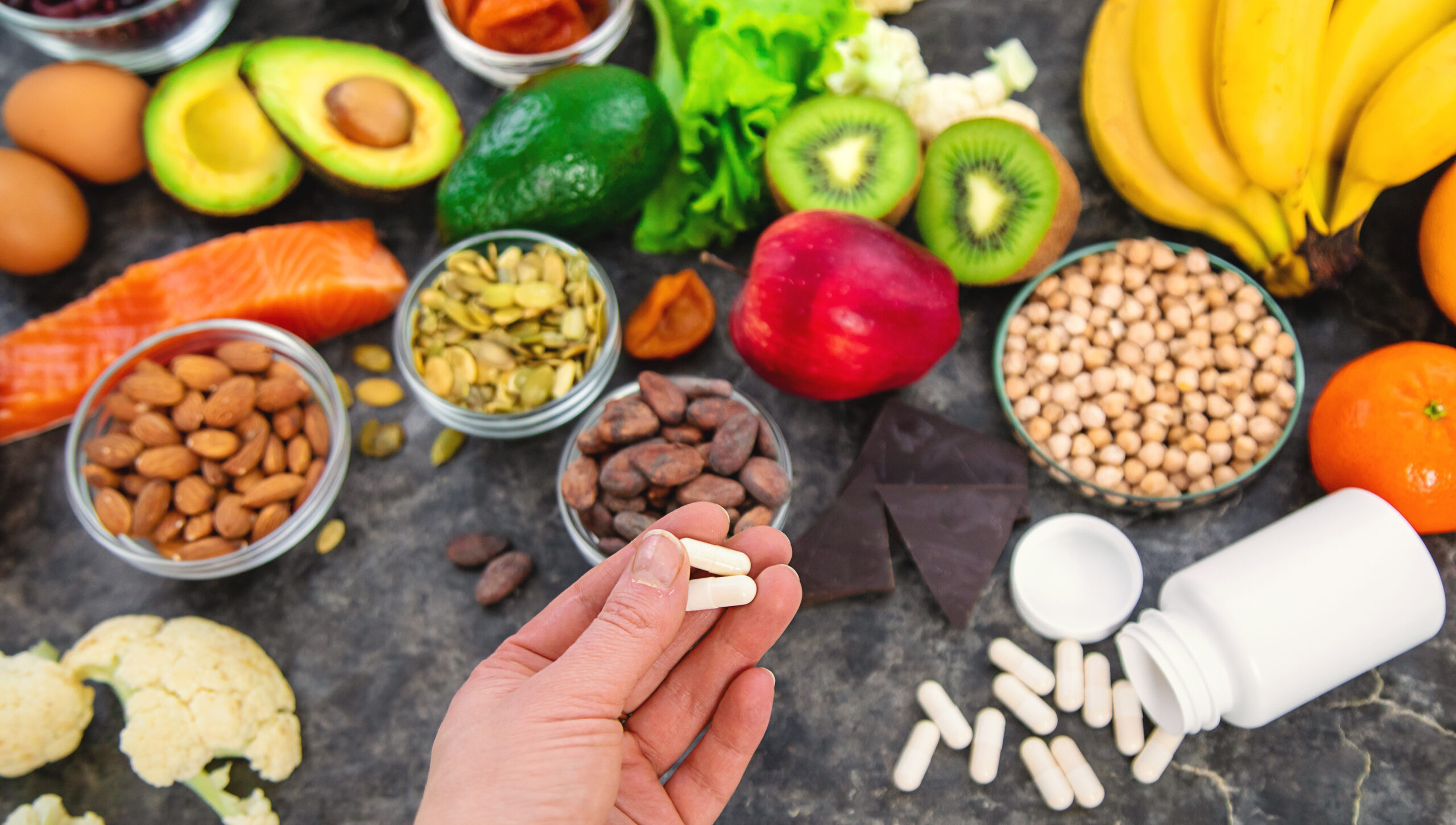
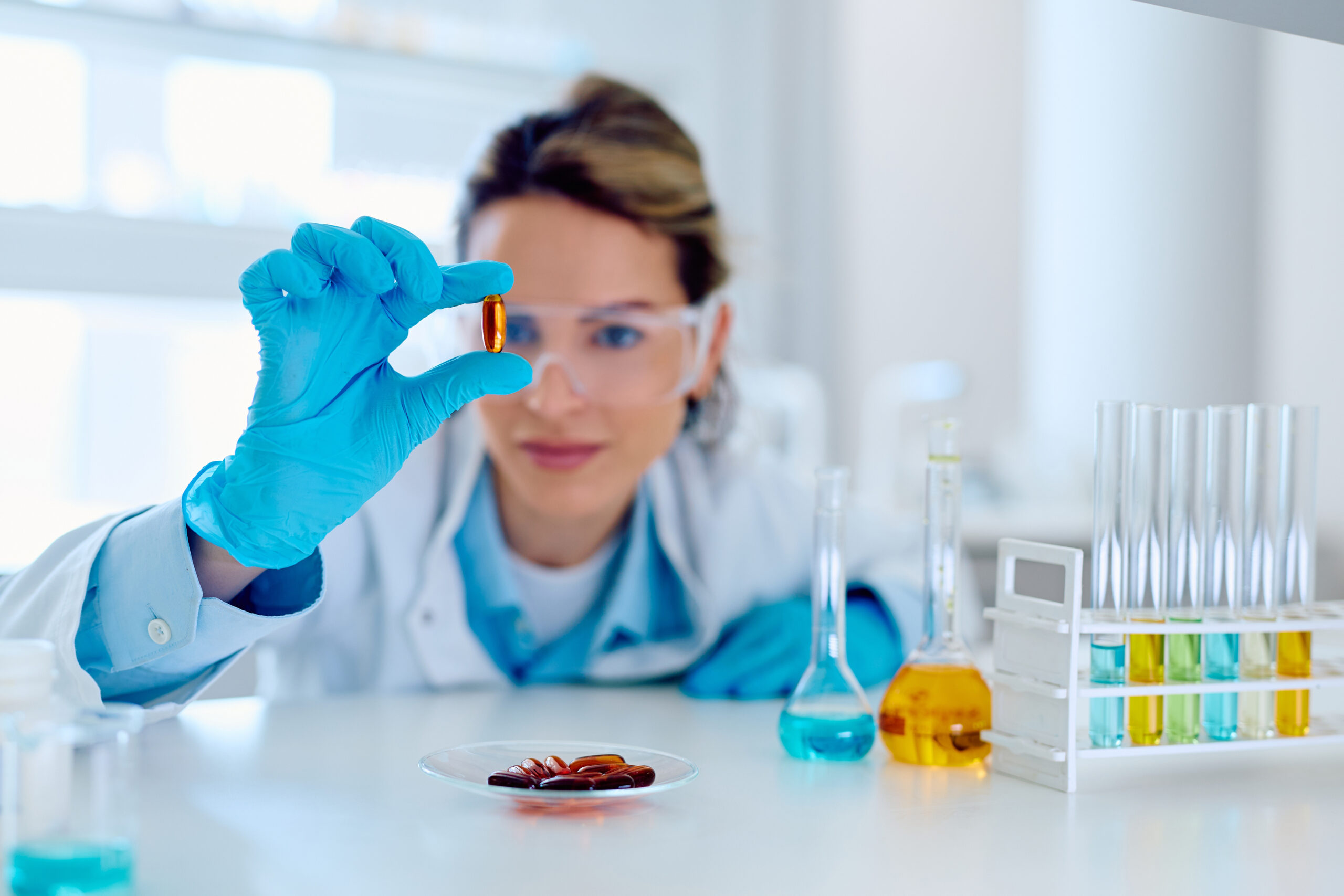
It is important to note that the European Union has not yet provided a single, definitive legal definition for “functional food” or “nutraceutical product.” Currently, Japan is the only country in the world that officially recognizes functional foods as a distinct category. In contrast, the European Union has long clarified the concept of “food supplements” through Directive 2002/46/EC (transposed into Italian law by Legislative Decree no. 169/2004). Food supplements are products intended to supplement the regular diet. They serve as a concentrated source of nutrients—such as vitamins, minerals, amino acids, fiber, or plant extracts—and are marketed in pre-dosed forms (pills, sachets, drops). They are not drugs; they do not treat medical conditions, but rather compensate for nutritional deficiencies or support specific physiological functions. Sometimes, supplements and drugs may share the same active ingredient. What distinguishes them is the dosage, the way they are presented, and the supporting scientific literature.